Gujarat entrepreneur turns kitchen waste into fertiliser
A Gujarat entrepreneur has built a compact machine that converts household wet waste into fertiliser, targeting homes and small businesses.
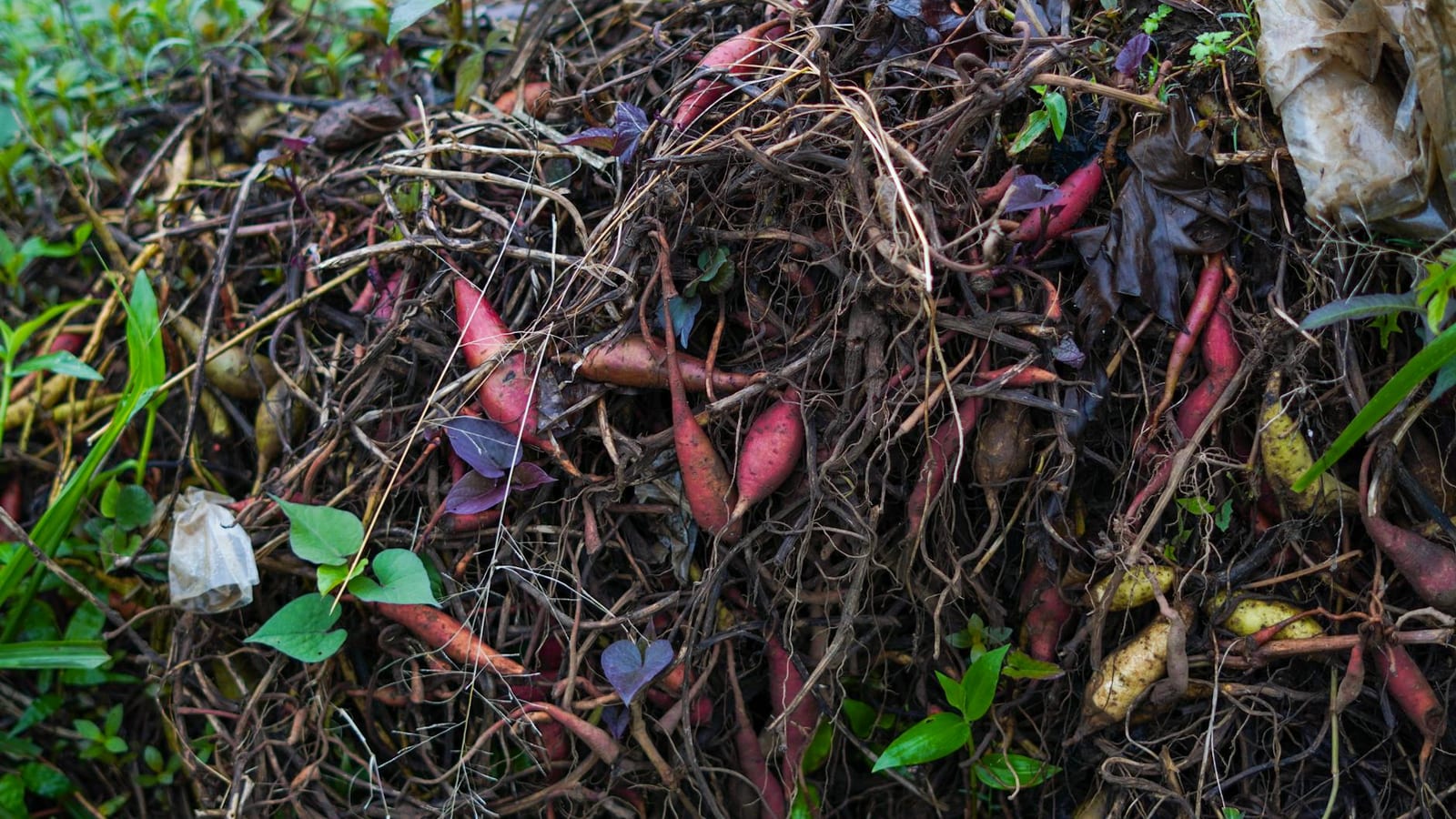
A young man who once struggled to pay his fees now sells a machine that turns waste into fertiliser. That is the sort of business story India understands instantly.
Because behind every shiny start-up pitch, there is a simpler question. Can this solve a real problem in a real home, shop, farm, or factory?
In this case, the answer starts with something as ordinary as kitchen waste. Vegetable peels, leftover food, garden leaves, and daily household muck. Most families throw it out. Someone saw a business in it.
Gujarat’s small-machine business story
The young entrepreneur from Gujarat built what has been described as a fertiliser-making “gharghanti”. In Gujarati homes, a gharghanti usually means a compact household mill.
Here, the idea appears just as simple. Instead of sending waste outside, the machine helps convert it into useful fertiliser.
That matters because Indian homes and small businesses generate a mountain of wet waste every day. Municipal systems struggle to collect it, separate it, process it, and keep landfills from overflowing.
A machine like this speaks to a very Indian gap. People want cleaner homes and lower waste. Farmers and gardeners want cheaper soil nutrition. Cities want less garbage on the road.
The entrepreneur’s own journey adds weight to the story. He reportedly once lacked money for fees. Today, he runs a company with turnover in crores.
That arc is not just feel-good material. It says something about where Indian enterprise often begins. Not in glass offices, but in pressure, jugaad, and one practical insight.
Why waste is now business
For years, waste was treated as someone else’s headache. The household gave it to the municipal worker. The shopkeeper pushed it to the curb. The city moved it to the dumping ground.
That chain is now breaking. Land is expensive. Residents complain about smell. Rules on waste segregation have become stricter in many cities.
At the same time, composting has moved from NGO talk to middle-class practice. Apartment societies, cafés, temples, canteens, and small hotels all face the same question.
What should they do with daily wet waste?
For a kirana store owner, a small restaurant, or a housing society, the ideal solution is not a lecture. It is a machine that works, does not need too much space, and does not become another maintenance headache.
That is why such products find attention. They sit between environmental need and business sense.
If the machine can reduce waste disposal costs, it becomes useful. If the fertiliser has value, it becomes smarter. If it is easy to use, it can travel beyond one city.
This is where the business story becomes bigger than one founder. India’s next manufacturing wins may not always come from giant factories. Many will come from small devices that solve daily problems.
From fee struggle to turnover
The founder’s background gives this story its emotional pull. A student who once struggled with fees has built a crore-scale company.
That line will touch many Indian families. Education costs can decide whether a child studies further or starts earning early. In such homes, ambition is not a slogan. It is a monthly calculation.
When such a person builds a working business, the lesson is not that poverty is romantic. It is not. The lesson is sharper. Constraints can force clarity.
A founder with little cushion often cannot afford vanity ideas. The product must sell. The customer must see value. The cash flow must move.
That discipline can become a strength.
Still, growth brings harder questions. Can the company maintain quality as orders rise? Can it service machines after sale? Can it keep prices low enough for smaller buyers?
Many Indian hardware start-ups stumble here. Making one good unit is difficult. Making thousands, delivering them on time, and repairing them across regions is a different game.
Customers also judge such products harshly. If a phone app crashes, people complain and reopen it. If a waste-processing machine smells, jams, or breaks, they stop using it.
So the real test lies beyond the first wave of praise. The company must prove that the machine works in ordinary Indian conditions.
What customers will watch
For households, the key question is simple. Does it make life easier?
Nobody wants a device that demands daily cleaning, careful sorting, and constant attention. Indian homes already run on tight routines. A useful product must fit into that rhythm.
For housing societies, the question changes. Can it handle volume? Can staff use it without special training? Does it reduce garbage pickup trouble?
For farmers and gardeners, the quality of fertiliser matters. Compost must help the soil, not just look like processed waste.
Price will decide reach. If the machine costs too much, only richer homes and premium societies will buy it. If the company cracks affordability, it can enter smaller towns and semi-urban markets.
That is where India offers scale. A practical machine made in Gujarat can find buyers in Maharashtra, Rajasthan, Madhya Pradesh, and beyond.
But scale also invites competition. Once a category shows money, copycat machines arrive fast. The founder will need brand trust, service support, and product improvement.
A clever idea opens the door. Execution keeps it open.
The quiet rise of practical start-ups
This story sits apart from the usual start-up noise. There is no app-first glamour here. No discount war. No promise to “change everything” overnight.
It is a product built around a visible problem. Waste comes every day. Fertiliser has daily use. The buyer can understand the value without a long pitch.
That is refreshing.
India needs more of this kind of enterprise. Machines for small farms. Tools for small shops. Devices for homes, clinics, schools, and factories. Products that save money, time, labour, or waste.
The best businesses often begin with one irritation that refuses to go away.
For young entrepreneurs, the message is clear but not easy. A small idea can become large if it solves a stubborn problem. But the market will not reward sympathy for long.
Customers may admire the founder’s struggle. They will still pay only if the product works.
That is the honest beauty of this story. It begins with a young man who could not easily pay fees. It now rests on whether ordinary Indians find value in his machine.
If they do, a “gharghanti” for fertiliser will be more than a neat Gujarati invention. It will show how India’s waste problem can also create local jobs, cleaner homes, and grounded businesses.