Gujarat founder turns kitchen waste into compost business
A Gujarat entrepreneur built a home composting device that converts wet kitchen waste into fertiliser, easing household trash and landfill pressure.
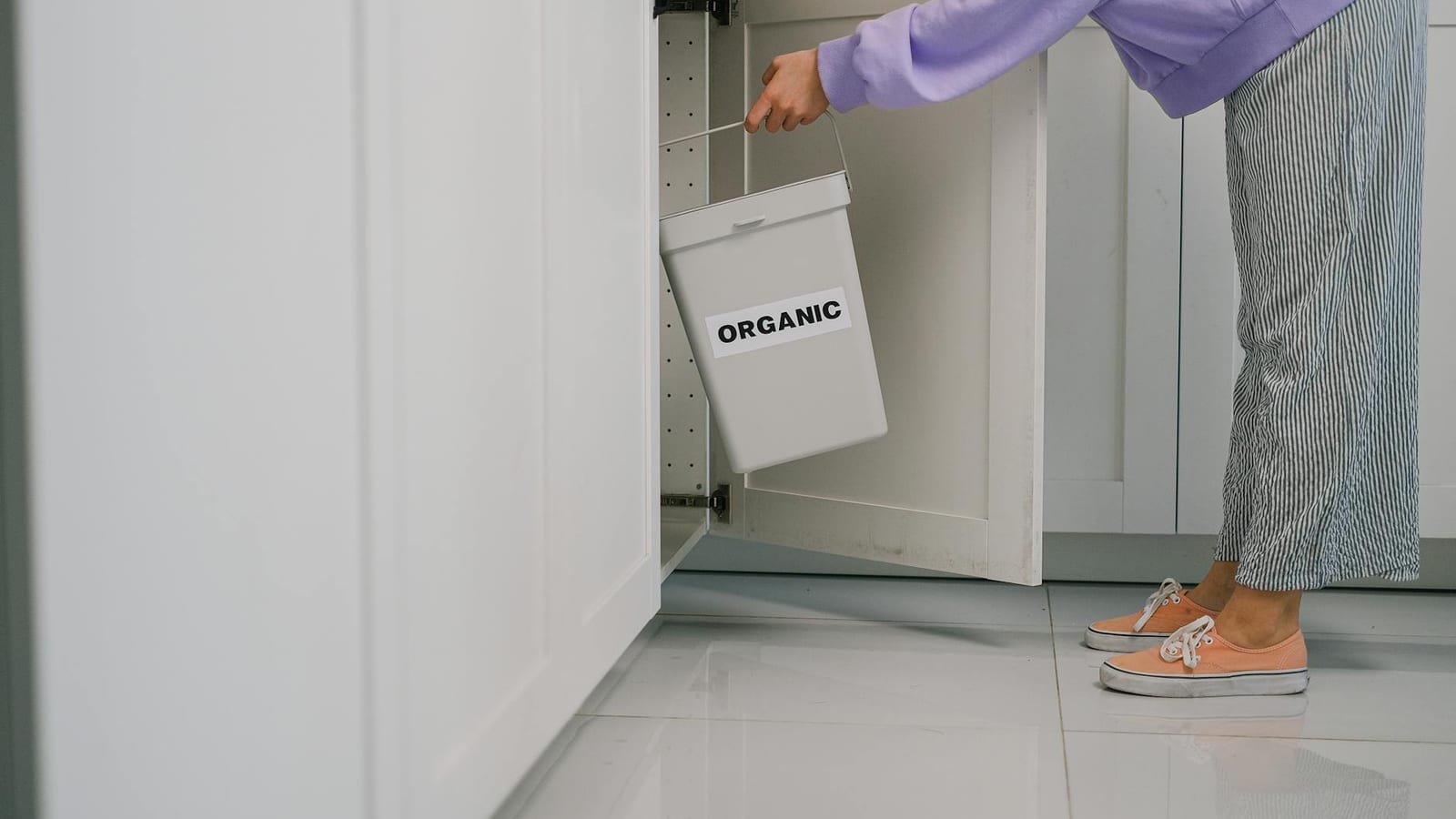
A small composting machine can sound boring, until you see what it solves.
For a household, it means less smelly waste and fewer garbage bags. For a city, it means less pressure on overflowing dumping grounds. For a young founder, it can become a business with crore-level turnover.
That is the heart of this Gujarat story. A young entrepreneur, who once struggled to pay fees, has built a company around a home composting device described as a “gharghanti” for making fertiliser.
Waste becomes a business idea
The idea is simple. Wet kitchen waste goes into a compact machine. After processing, it turns into compost that people can use for plants, gardens, and soil.
For Indian homes, this matters more than it first appears. Most city garbage begins inside kitchens. Vegetable peels, leftover food, tea leaves, fruit skins, and spoiled items pile up daily.
Once mixed with plastic and dry waste, this wet waste becomes hard to handle. It smells, leaks, attracts insects, and makes municipal collection more expensive.
A home composting machine changes that chain at the first step. It asks households to treat waste before it leaves the home.
From fee trouble to turnover
The reported backstory gives this business its emotional weight. The founder once lacked enough money to pay fees. Today, he runs a company with turnover in crores.
That arc matters in a country where many small founders begin with very little. They do not always start with venture capital, polished pitch decks, or fancy offices.
Many begin with a local problem. Then they build a product that neighbours, housing societies, shops, or small institutions can understand.
This composting device fits that pattern. It does not sell a distant dream. It sells relief from a daily nuisance.
For middle-class families, the promise is practical. Less waste at home. Cleaner bins. Compost for plants. A small feeling of doing the right thing.
For housing societies, the promise is bigger. If enough homes use such machines, waste collection can become cleaner and easier.
Why cities should care
Indian cities spend heavily on waste collection and disposal. Yet the hardest part remains behaviour inside homes.
Municipal rules can ask people to separate wet and dry waste. But rules work only when households find them easy enough.
That is where products like this become interesting. They turn civic duty into a household appliance.
The comparison is useful. A mixer made cooking faster. A washing machine reduced laundry labour. A composting device tries to make waste handling less messy.
Of course, price will decide how far it travels. Many families may like the idea, but still pause before buying.
A kirana store owner in a tier-2 city may see the value. But he will ask one blunt question first. How quickly does this pay back?
That question is fair. For any green product, good intent is not enough. It must work daily, survive rough use, and make economic sense.
The real test is adoption
The company’s crore-level turnover shows demand exists. But the next stage will be harder.
Early buyers usually care more about sustainability. Wider buyers care about cost, repair, electricity use, smell, space, and after-sales service.
If the machine fails often, people will stop using it. If it needs too much attention, it becomes another corner appliance.
The strongest green businesses understand this. They do not sell guilt. They sell convenience.
That is also why the word “gharghanti” is clever. It makes the product feel familiar, not technical. It sounds like something that belongs in an Indian home.
The wider business opportunity is also clear. Apartment complexes, small hotels, canteens, schools, and offices all generate wet waste.
If the device scales well, the company can move beyond homes. It can sell to institutions that need cleaner waste systems.
Small founders, big signals
This story also says something larger about Indian entrepreneurship. Not every important company begins in fintech, delivery, or artificial intelligence.
Some useful businesses begin with compost, utensils, packaging, water, repairs, and local manufacturing.
These sectors look unglamorous from outside. But they touch everyday life more directly than many fashionable startups.
For workers, such companies can create jobs in assembly, sales, installation, servicing, and customer support.
For suppliers, they open demand for parts, motors, containers, packaging, and transport.
For customers, they offer a product that links household comfort with environmental benefit.
That is the best kind of business case. It does not ask people to choose between profit and purpose. It tries to make both meet inside the same home.
The next question is scale. Can this company keep quality steady as orders grow? Can it make the product affordable without cutting corners? Can it convince ordinary households that composting is not a chore?
Those answers will decide whether this remains a nice founder story or becomes a serious Indian clean-tech business. For now, it reminds us of something simple. Sometimes the next useful company starts with yesterday’s kitchen waste.