Gujarat HC Seeks Tata Chemicals Marine Damage Cost
Gujarat High Court ordered a three-month damage assessment and possible compensation from Tata Chemicals over alleged marine sanctuary harm.
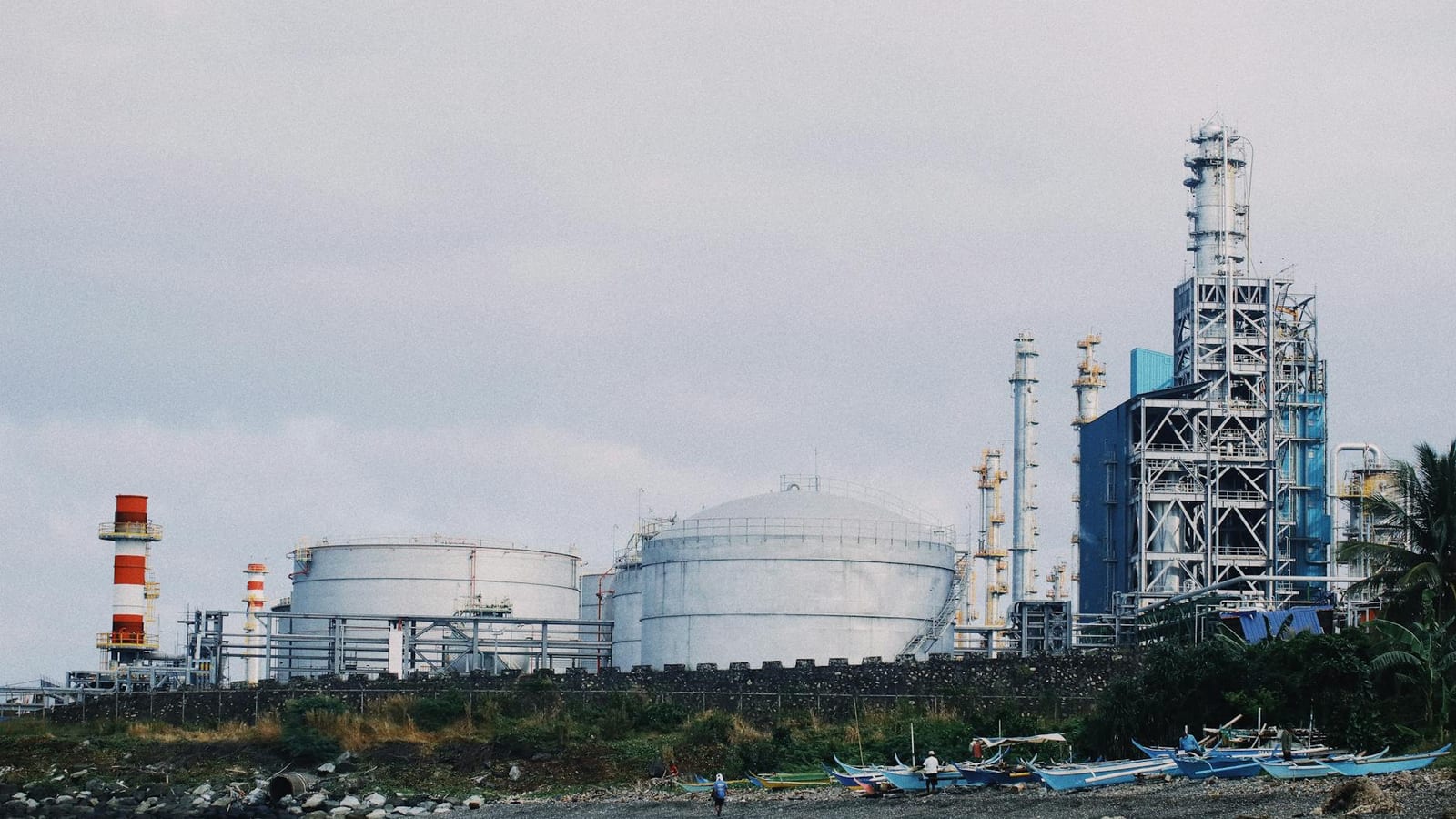
A factory gate can look far away from a fishing boat. Until the sea itself starts carrying the bill.
That is the sharp message from the Gujarat High Court, which has taken a hard line against Tata Chemicals Limited over alleged damage to a marine sanctuary in Gujarat. The court said the company had turned the protected area into a “black desert”.
The order matters well beyond one company. It asks a simple business question that India keeps dodging. Who pays when industrial growth leaves nature, livelihoods, and local communities worse off?
Court asks for damage estimate
The Gujarat High Court has directed authorities to assess the damage within three months. It has also asked them to recover compensation from Tata Chemicals, based on that assessment.
The court went further. It told officials to consider tough steps, including shutting industrial operations, if the damage demands such action. That is not routine language in corporate disputes.
For companies, this is the part that should sting. Environmental harm often sits outside the balance sheet until a court drags it in. Then it becomes a real cost, with timelines, penalties, and public scrutiny.
For ordinary people, this is not an abstract green issue. A marine sanctuary supports fish, birds, mangroves, and fragile coastal life. When that system weakens, the pain travels to fishing families, traders, transporters, and small businesses nearby.
A business may count tonnes, margins, and plant capacity. A coastal village counts daily catch, clean water, and whether children can stay in school. Both are economic numbers, though only one usually gets audited.
Why this order hits business
Tata Chemicals is not a small unknown operator. It is part of one of India’s most watched corporate groups. That makes the court’s tone even more important.
Large companies often present compliance as a box they have already ticked. They file reports, maintain departments, and speak the language of sustainability. But courts now want proof that the ground reality matches those claims.
The High Court’s order also signals a wider shift. Environmental compliance can no longer sit in a corner office. It can affect operations, reputation, financing, and expansion plans.
Investors understand this better than many promoters admit. A plant facing regulatory action carries risk. A company accused of harming protected ecology carries a deeper reputational burden.
There is also a lesson for lenders. Banks often look at land, cash flow, and repayment history. They must also look harder at environmental exposure. A court order can turn a profitable asset into a liability very quickly.
For suppliers and workers, the fear is different. If authorities restrict or shut operations, wages and contracts may suffer. That is why clean compliance matters before trouble begins, not after litigation starts.
The cost beyond compensation
The court has asked for compensation after assessment. But money rarely restores a damaged ecosystem fully.
If a protected marine area suffers, the impact spreads slowly. Fish breeding patterns can change. Water quality can worsen. Birds may move away. Local families may spend years adjusting to a decline they did not cause.
This is where environmental cases become business stories. India’s factories often stand near rivers, coasts, forests, and farms. They draw from shared resources. They also place stress on those same resources.
The question is not whether India needs industry. It does. Jobs, exports, chemicals, power, cement, and ports all matter. The question is whether companies can treat ecological damage as someone else’s problem.
For a kirana store owner in a coastal town, a bad fishing season can reduce sales. For a small transporter, lower activity can mean fewer trips. For a daily wage worker, one regulatory shutdown can hit the kitchen budget.
That is the chain many corporate statements miss. Damage does not stop at the plant boundary. It moves through the local economy, one household at a time.
The court’s insistence on assessment matters because it forces measurement. Once officials put a number on harm, the debate changes. It moves from denial to responsibility.
A warning for corporate India
This case should make boardrooms uncomfortable for the right reasons. India has entered a phase where environmental claims face harder questions.
A company can still grow. It can still expand. But it must show that growth does not come by quietly shifting costs to air, water, forests, or the sea.
That is especially true in protected zones. A marine sanctuary exists because the state has already recognised its ecological value. Any damage there carries a higher moral and legal weight.
The order also puts pressure on regulators. Courts often step in when monitoring looks weak, delayed, or too gentle. If departments act late, judges may demand action with sharper language.
For citizens, the case shows why local environmental complaints should not be brushed aside. People living near industrial sites often notice changes first. They see discoloured water, dead fish, dust, smell, or falling yields before officials do.
Companies should treat such warnings as early alarms. Too often, they treat them as public relations problems. That is a costly mistake.
The next three months will matter. Authorities must assess the damage, decide the compensation, and examine what operational action follows. Tata Chemicals will also have to respond to the legal and public pressure.
The larger message is clear. India cannot build a serious economy by pretending nature is free. Someone always pays. The court has now asked that the bill be calculated, and possibly collected. For ordinary readers, that is the real stake. Cleaner growth is not a luxury. It is the difference between development that lasts, and development that leaves people picking up the pieces.