Gujarat's Mundra, Pipavav enter global port top 30
World Bank's 2025 port index ranks Mundra and Pipavav among the global top 30, signalling faster container movement for exporters and factories.
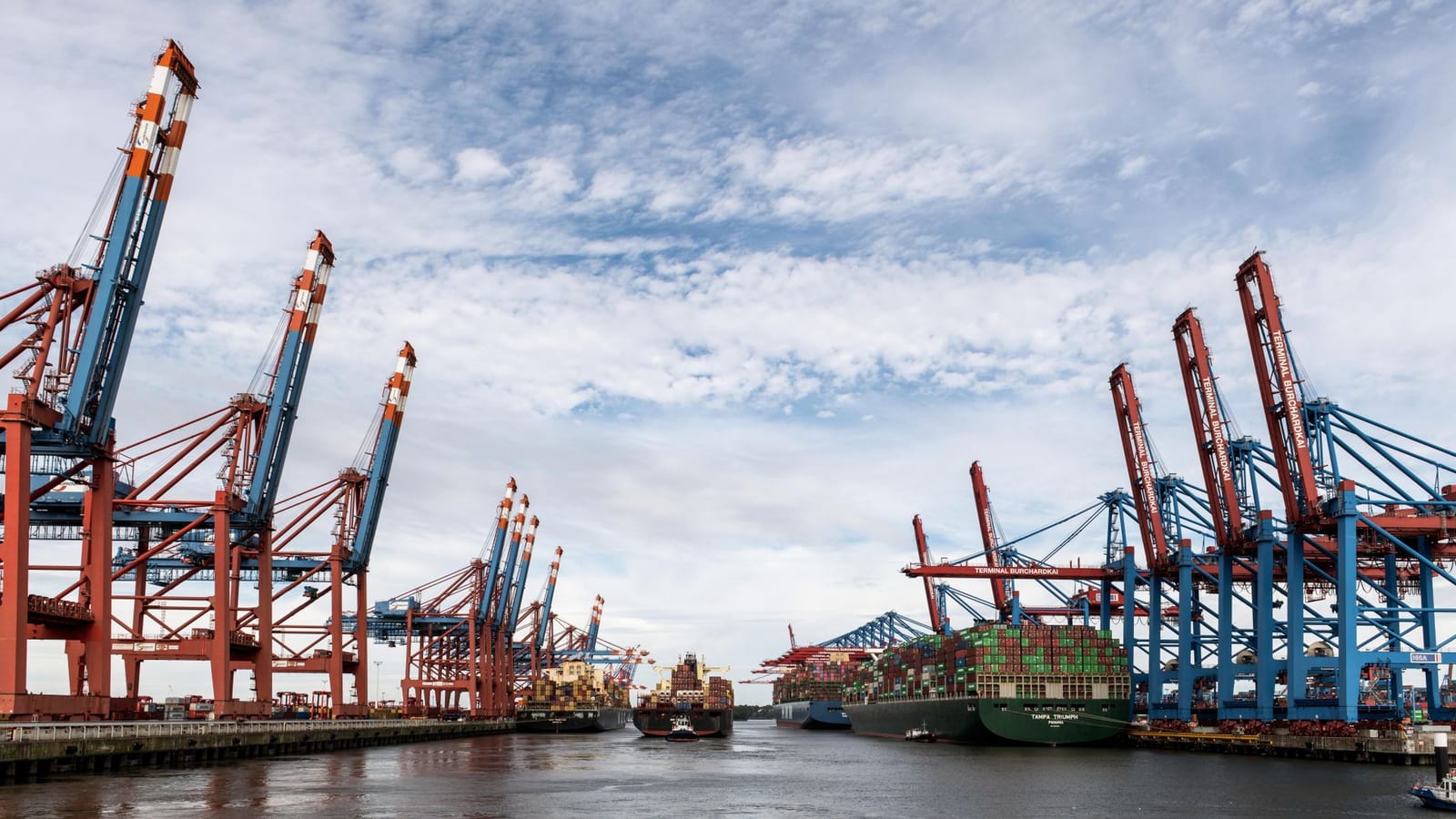
A delayed container does not only trouble a shipping line. It can upset a factory’s dispatch plan, a buyer’s deadline, and a trucker’s next trip.
That is why Gujarat getting two ports into the global top 30 matters. The World Bank Container Port Performance Index 2025 has placed Mundra Port and Pipavav Port in that league.
For ordinary readers, this sounds like port jargon. For businesses, it means something simpler. Ships are spending less wasteful time at these ports.
Gujarat’s ports get noticed globally
Mundra is operated by Adani Ports and Special Economic Zone Limited. Pipavav is run by Gujarat Pipavav Port Limited. Both sit on India’s western coast, close to routes that connect India with West Asia, Europe, Africa, and beyond.
The CPPI does not reward a port merely for being big. It looks at how efficiently container ships move through a port. In plain English, it asks one main question: how quickly can a ship enter, load or unload, and leave?
That one question matters more than it sounds. A ship waiting outside a harbour burns time and money. A container stuck inside a port can hold up a factory order. A missed sailing can push a delivery back by days.
For Gujarat, the ranking strengthens a story the state has told for years. It has bet heavily on ports, industrial corridors, private investment, and road and rail links to the coast. This report gives that model international validation.
Why exporters should care
Think of a small manufacturer in Morbi, Rajkot, Surat, or Ahmedabad. The order may be tiles, machine parts, textiles, chemicals, or packaging material. The buyer abroad does not care why a shipment is late. The buyer only sees the missed date.
When a port works smoothly, exporters get more certainty. They can plan dispatches better. They can quote delivery dates with more confidence. They can avoid some of the extra storage and handling costs that eat into margins.
This does not mean every exporter will suddenly make more money. Shipping costs depend on fuel, freight rates, currency movements, and global demand. But a reliable port removes one common headache from the chain.
There is a consumer angle too. Many Indian factories import machinery, parts, chemicals, electronics, and raw materials. When those inputs arrive on time, production schedules become easier to manage. That can help keep supply steadier in the market.
Private ports, public consequences
Gujarat’s port story also shows how private infrastructure can shape public economic outcomes. A privately run port may serve shipping lines and large exporters first. But its performance affects workers, transporters, customs brokers, small suppliers, and local service businesses.
The benefits spread in layers. Truck drivers get more trips when turnaround improves. Warehouses see smoother flows. Clearing agents spend less time chasing uncertain arrivals. Industrial clusters get a better shot at meeting export commitments.
Still, a port ranking cannot tell the whole story. The real test starts outside the gate. If roads are jammed, rail links are weak, or paperwork moves slowly, the port’s efficiency loses some force.
This is where India often struggles. We build one strong node, then discover the surrounding system has not kept pace. A fast port needs fast customs, predictable trucking, clean warehousing, and reliable last-mile movement.
Monsoon exposes the weak links
Gujarat’s latest weather disruption is a reminder of that risk. Heavy rain cut off 22 villages in Junagadh district. Several state and panchayat roads also faced closures after intense rainfall.
Those numbers do not come from a port balance sheet. But they matter to trade. A container does not fly from factory to ship. It travels through roads, depots, yards, and checkpoints before reaching the vessel.
Extreme weather now tests business infrastructure more often. A port can rank well globally and still face trouble if inland movement breaks down. That is the uncomfortable part of India’s logistics story.
For companies, the lesson is clear. They need backup routes, better scheduling, and closer tracking of cargo. For state authorities, the message is sharper. Port-led growth needs climate-ready roads and drainage, not just bigger terminals.
What comes after the ranking
The top-30 tag will help Gujarat market itself to investors. It gives industrial planners and port operators a useful talking point. It also tells global shipping lines that western India has serious port capacity.
But rankings are snapshots. Ports must defend them every year. A few seasons of congestion, poor maintenance, or weak inland support can undo years of reputation-building.
The next question is not whether Gujarat can build ports. It has already answered that. The harder question is whether the whole trade chain can match the ports’ pace.
For an ordinary Indian reader, this may feel distant from daily life. It is not. The price of goods, the speed of factory orders, and the strength of export jobs all pass through such infrastructure. A good port does not make headlines every day, but when it works well, thousands of people feel the difference quietly.