Haifa missile attack puts India trade costs on alert
Hezbollah missile fire near Haifa and Israeli strikes in Lebanon have raised risks for oil, shipping and import costs linked to India.
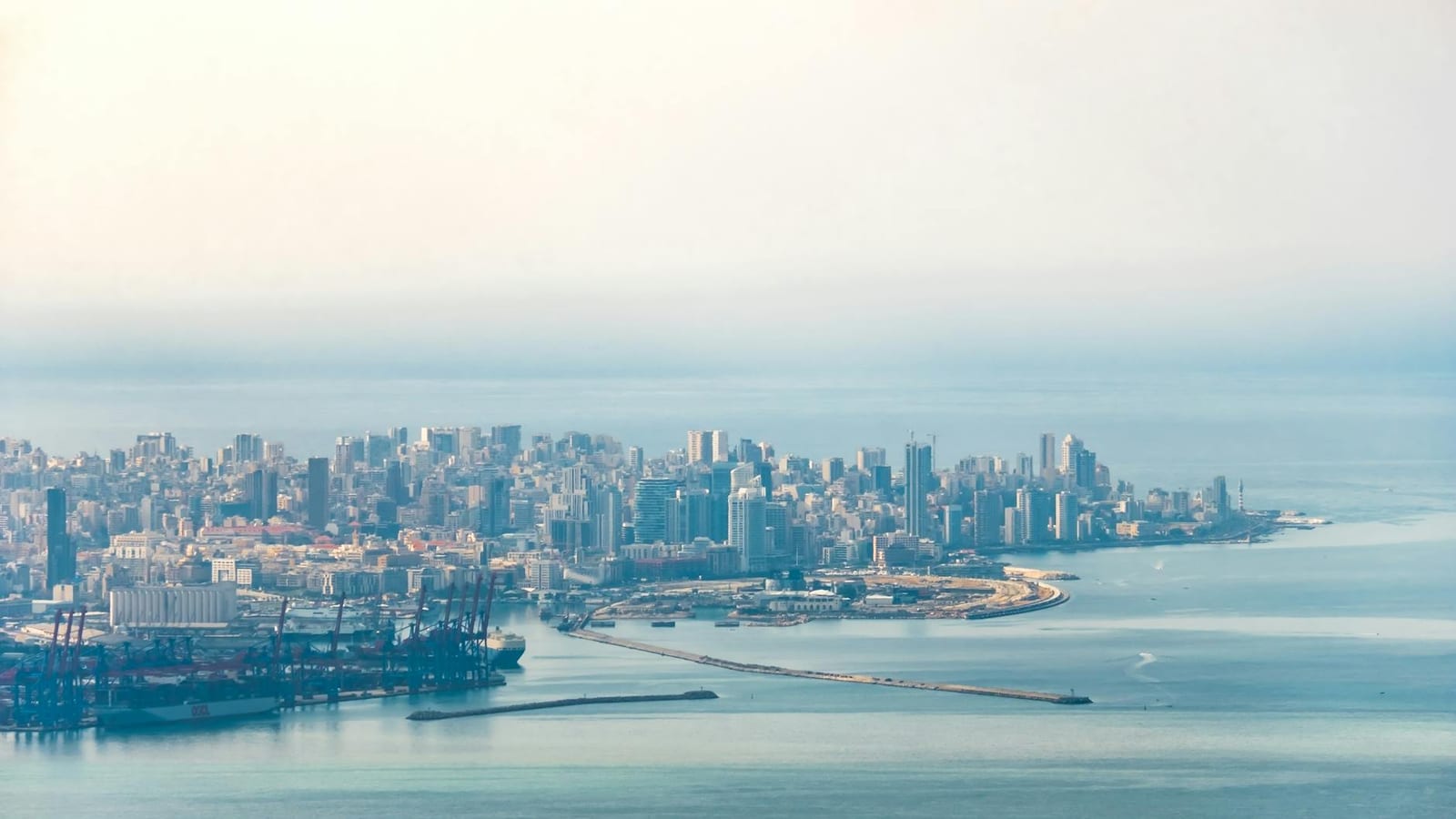
A missile siren in Haifa is not just a Middle East headline. It can quietly reach an Indian fuel bill, a shipping quote, or a factory invoice.
Hezbollah said it fired 135 Fadi 1 missiles towards Haifa, Israel’s third-largest city, on Monday. Israel’s military said it hit more than 120 Hezbollah targets in southern Lebanon within one hour.
For families in the region, this is immediate fear. For India, it is also a reminder that wars rarely stay inside borders.
Haifa attack raises regional risk
Hezbollah said it targeted a military base south of Haifa. The Iran-backed group has been fighting Israel from Lebanon while Hamas remains locked in war with Israel in Gaza.
Israel’s military said rocket fire continued into Israeli areas until Monday evening. Reports from Israeli authorities said 10 people were injured around Haifa, while two others were hurt in the south.
Haifa matters because it is not a symbolic dot on the map. It is a major city with ports, industry, and transport links. When missiles reach such places, traders watch closely.
Markets do not panic only because of one strike. They react when traders fear the next strike could widen the war.
Israel hits back in Lebanon
Israel’s military said its air force carried out a large operation in southern Lebanon. It said more than 120 Hezbollah-linked targets were hit within 60 minutes.
That is the military picture. The human picture is harsher.
Lebanese officials said Israeli air strikes killed 11 people and injured 17 others across different areas. The health ministry said six people died in a strike on a residential building in Kayfoun, in Mount Lebanon’s Aley district.
Another strike killed five people and injured four others, officials said. These numbers sit behind every larger strategic claim.
This is where the familiar pattern returns. Armed groups fire from or near civilian areas. States respond with heavy force. Ordinary people carry the cost first.
Oil, freight and Indian wallets
For Indian readers, the question is simple. Why should a missile fired near Haifa matter in Mumbai, Surat, or Coimbatore?
The answer starts with energy. India imports most of its crude oil. Any serious escalation around the Middle East makes traders nervous about supply routes and prices.
Even when oil tankers do not stop, insurance costs can rise. Ships may take safer, longer routes. Freight firms then pass those costs to importers.
After that, the pain travels fast. Petrol, diesel, plastics, chemicals, paint, tyres, aviation fuel, and fertilisers all feel the pressure in different ways.
A small manufacturer does not discuss geopolitics every morning. But he knows when raw material prices move without warning.
A family may never track Brent crude. But it notices when transport costs push up vegetable prices or school bus fees.
This is why Middle East conflict sits inside India’s business pages too. It is not foreign policy alone. It is inflation risk, trade risk, and household budget risk.
Iran’s message sharpens the mood
Iran’s Supreme Leader Ayatollah Ali Khamenei marked the October 7 Hamas attack as a turning point for Palestinians. He said the operation had pushed Israel back by decades.
Israel says Hamas killed around 1,200 people in southern Israel on October 7 last year. More than 250 people were taken hostage.
That attack triggered the Gaza war. Hezbollah then increased pressure from Lebanon, presenting its actions as support for Hamas.
The danger now is not only the number of rockets fired. It is the growing confidence of each side that it must answer every blow with a stronger one.
For businesses, that creates the worst kind of uncertainty. No one knows whether to price in a short flare-up or a longer regional conflict.
Companies will watch shipping lanes
Indian companies with West Asia exposure will watch three things carefully. Oil prices, shipping routes, and insurance rates.
Exporters also have reason to worry. West Asia is a major market for Indian goods, from food products to engineering items.
If tensions rise, buyers may delay orders. Banks may become more cautious with trade finance. Freight companies may add risk premiums.
Airlines also watch these conflicts closely. Airspace changes can lengthen routes and raise fuel use. That can affect ticket prices over time.
None of this means India faces an immediate trade shock from one day’s strikes. But risk builds in layers, not all at once.
First comes the headline. Then comes caution. Then comes cost.
For policymakers in New Delhi, the challenge is familiar. India must balance ties with Israel, Arab partners, Iran, and the wider West.
That is not easy diplomacy. India has workers, energy interests, shipping needs, and security concerns across the region.
The harder truth is that ordinary people rarely get a vote in these conflicts. Yet they pay through fear, fuel, freight, and food prices.
The next few days will show whether this remains another sharp exchange or becomes something larger. For Indian households and businesses, the lesson is clear enough. A war far away can still arrive quietly, packed inside a monthly bill.