Haifa missile strike raises oil and airfare risks
Hezbollah's Haifa missile barrage and Israeli strikes in Lebanon raise fresh risks for oil prices, remittances, jobs and airfares for Indians.
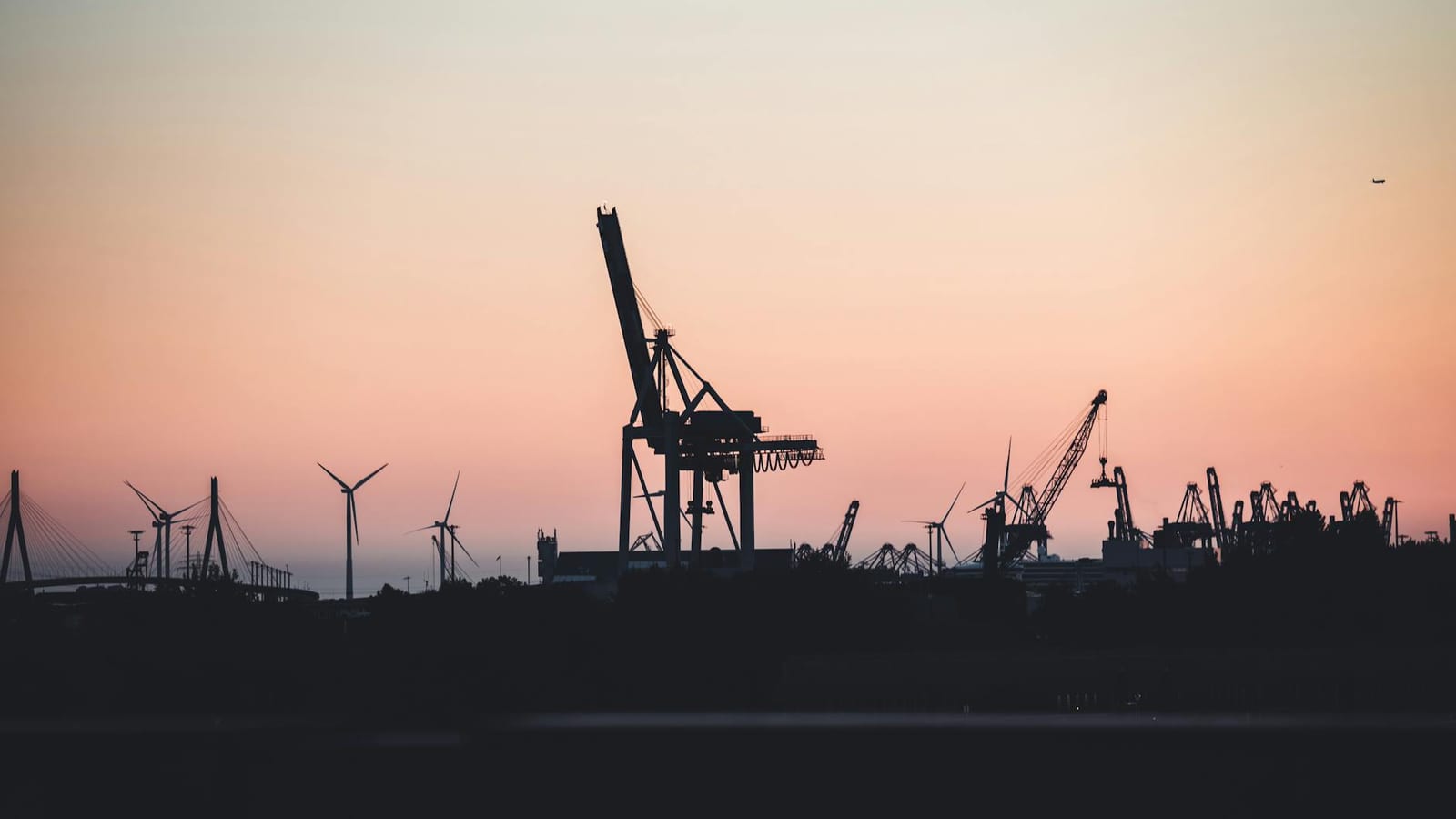
For Indian families watching West Asia, this is not distant thunder anymore. Every missile over Haifa now carries a second question: what happens to oil, jobs, remittances, and airfares?
Hezbollah said it fired 135 Fadi 1 missiles towards the Haifa area on Monday. The group said it targeted a military base south of Israel’s third-largest city.
Israel responded with heavy air strikes in Lebanon. Its military said the air force hit more than 120 Hezbollah targets in southern Lebanon within one hour.
Haifa attack raises the stakes
Haifa matters because it is not just another city on the map. It is a major port, an industrial centre, and a symbol of Israel’s economic depth.
When rockets reach that belt, the message travels beyond military rooms. Shipping firms, insurers, airlines, and oil traders start recalculating risk almost immediately.
Israel’s military said rocket fire hit Israeli areas through Monday evening. Reports from the ground said ten people were injured in the Haifa region. Two more injuries were reported in the south.
Hezbollah said the attack used Fadi 1 missiles. The group has framed its strikes as support for Hamas, which has been fighting Israel in Gaza since October 2023.
For ordinary Israelis, this means a familiar cycle returning with force. Sirens, shelters, closed schools, delayed trains, and nervous workplaces become part of daily life again.
Lebanon pays a brutal price
The Israeli response hit Lebanon hard. Israel’s military said it struck Hezbollah positions in southern Lebanon as part of a broad air operation.
Lebanese official and security sources said Israeli strikes killed 11 people and injured 17 others. The casualties came from attacks in different areas.
In Kayfoun village, in the Aley district of Mount Lebanon, Lebanon’s health ministry said six people died. Thirteen others were injured after a residential building was hit.
Another Israeli strike killed five people and injured four more. These figures show the grim truth of this war. Military targets and civilian neighbourhoods often sit dangerously close.
That is where the human cost becomes impossible to hide. A family loses a home. A shopkeeper shuts early. A driver avoids a road he used every day last month.
Lebanon already has a wounded economy. Its currency collapse, banking crisis, and weak state services have made life harsh for years. More bombing adds fear to a country already short of cash, power, and patience.
Iran keeps the pressure on
Iran added its own political signal on Monday. Supreme Leader Ayatollah Ali Khamenei praised the October 7 Hamas attack as a turning point for Palestinians.
He said the operation had pushed the Zionist regime back by decades. His statement came on the first anniversary of the Hamas assault on southern Israel.
On October 7, 2023, Hamas launched a massive attack on Israel. Israeli figures put the dead at around 1,200. More than 250 people were taken hostage.
That attack triggered Israel’s war in Gaza. It also pulled the wider region into a more dangerous pattern, with Hezbollah firing from Lebanon and Iran backing armed groups across the region.
This is why Monday’s escalation matters. It is not a one-front war anymore. Gaza, Lebanon, Israel, Iran, and the Red Sea risk chain all connect now.
For India, that chain matters more than most people realise. West Asia is not just a news headline for us. It is where millions of Indians work, and where much of our energy security begins.
India watches oil and jobs
India imports most of its crude oil. When West Asia shakes, fuel markets rarely stay calm for long.
A wider conflict can push up crude prices. That can make petrol, diesel, aviation fuel, plastics, paints, and transport costlier over time.
The impact does not always arrive the next morning. It often moves quietly through freight bills, airline fares, and factory input costs.
A small manufacturer in Rajkot or Coimbatore may not follow every rocket launch. But if fuel and raw materials rise, his margins feel it quickly.
Airlines also watch the region closely. If routes become unsafe, flights take longer paths. Longer paths burn more fuel. That cost can reach passengers.
Indian workers in the Gulf and West Asia face another concern. A larger war can affect jobs, visas, travel plans, and family remittances.
Remittances are not abstract money. They pay school fees in Kerala, home loans in Telangana, medical bills in Uttar Pradesh, and small business debts across India.
That is why New Delhi usually walks carefully in West Asia. India has strong ties with Israel. It also has deep energy, trade, and labour links across Arab countries and Iran.
Markets dislike long wars
Financial markets can handle bad news. What they dislike most is uncertainty that refuses to end.
The Israel-Hezbollah exchange now creates exactly that kind of uncertainty. Each attack raises the chance of a wider war, even if no side says it wants one.
For companies, this means higher insurance costs, tighter supply planning, and more cautious investment decisions. For consumers, it can mean higher prices with little warning.
Oil is the obvious concern, but not the only one. Fertilisers, chemicals, shipping, defence, and aviation all feel West Asia risk in different ways.
Indian policymakers will watch crude prices, the rupee, and shipping lanes closely. A sharp oil move can widen India’s import bill and strain inflation management.
The Reserve Bank of India will also keep an eye on second-round effects. That means price rises that spread from fuel into food, transport, and services.
This is where a foreign war enters the Indian household budget. It may begin with missiles near Haifa. It can end with higher cab fares in Mumbai or dearer vegetables in Jaipur.
The danger now lies in repetition. One strike invites another. Each side says it is responding. Each response creates fresh pressure to hit harder.
For ordinary people, in Israel, Lebanon, Gaza, and far away in India, the question is painfully simple. Can leaders stop this from becoming a war that eats into homes, wages, savings, and futures?