Haifa rocket strike widens Israel-Lebanon war risk
Hezbollah's Haifa rocket attack and Israel's Lebanon strikes raise risks for oil, shipping, airlines and Indian household costs if the war spreads.
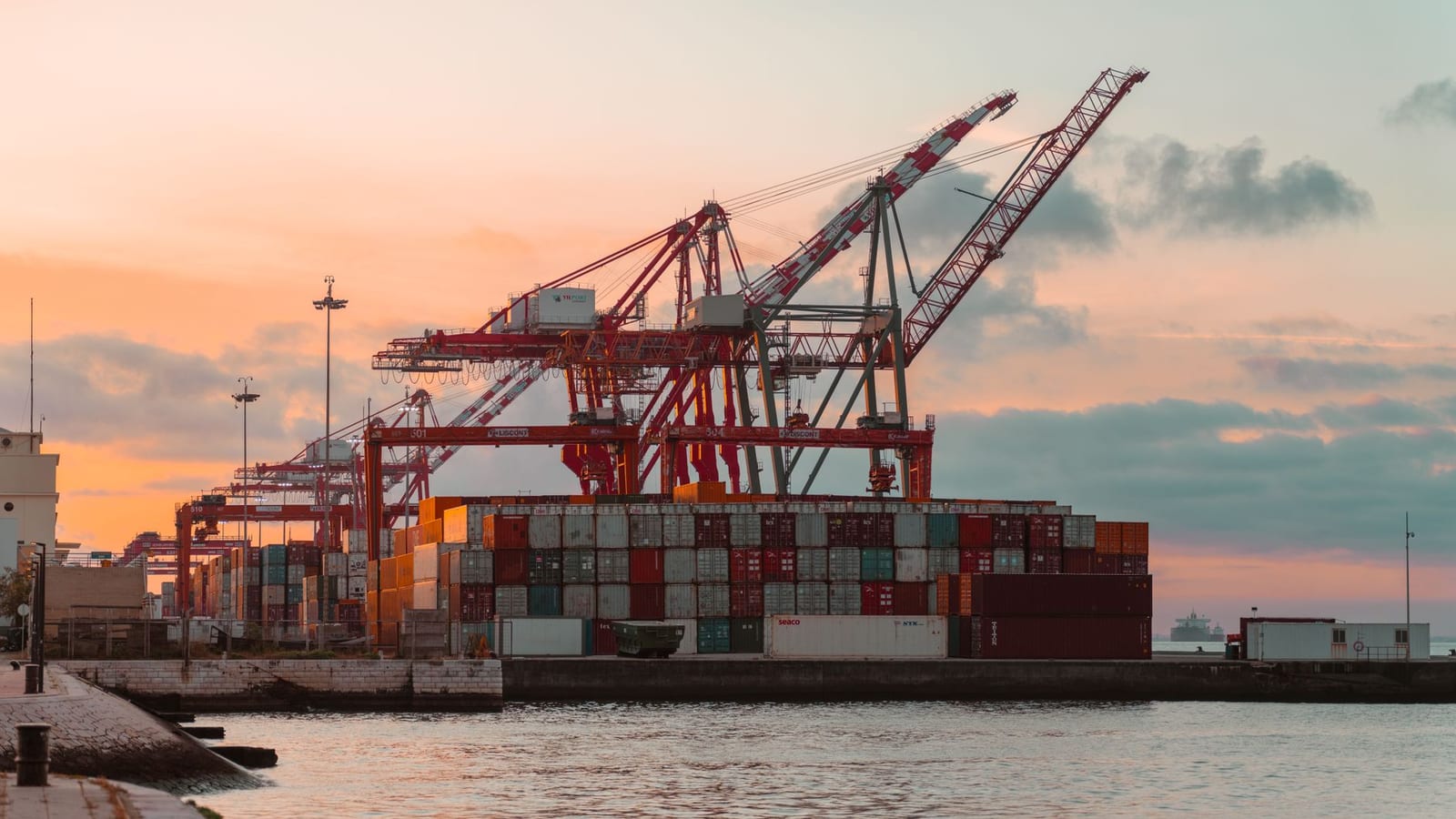
A rocket siren in Haifa is not just a security alert anymore. It is a warning bell for a region that can shake oil, shipping, airlines, and family budgets far beyond West Asia.
Hezbollah said it fired 135 Fadi 1 missiles towards a military base south of Haifa on Monday. Israel answered with a heavy air operation in Lebanon, saying its air force struck more than 120 Hezbollah targets within one hour.
For Indians, this may look distant on a map. But West Asia rarely stays distant from Indian wallets.
Haifa attack raises the stakes
Israel’s military said rockets hit Israeli areas through Monday evening. Reports from the ground said ten people were injured around Haifa, while two more were hurt in southern Israel.
Hezbollah described the attack as aimed at a military base. Israel, however, treated it as part of a wider front that now stretches from Gaza to Lebanon.
That matters because Haifa is not a symbolic target alone. It is Israel’s third-largest city and a major port hub. When missiles reach such places, markets start asking a simple question. Is this still a contained war, or something larger?
The answer is still unclear. But the pattern looks worrying.
Israel has been fighting Hamas in Gaza since the October 7 attacks last year. Hezbollah, backed by Iran, has kept pressure on Israel from Lebanon. Each exchange now carries the risk of a wider regional fire.
Israel hits 120 Hezbollah targets
Israel’s military said its air force carried out a large operation in southern Lebanon. It said the strikes hit more than 120 Hezbollah positions in 60 minutes.
The Israeli side framed the operation as a direct response to Hezbollah’s rocket fire. It also said it had earlier hit around 1,600 targets in Lebanon in a wider campaign.
That number shows the scale of the pressure Israel wants to build. It is not only responding to one rocket barrage. It is trying to damage Hezbollah’s launch sites, weapons stores, and command network.
But air power has a grim habit. It can hit military targets and still leave civilians paying the bill.
Lebanon’s health ministry said Israeli strikes killed 11 people and injured 17 others in different areas. In Kayfoun village, in Mount Lebanon’s Aley district, a strike on a residential building killed six people and injured 13.
Another Israeli strike killed five people and injured four others, Lebanese officials said. These numbers may look small beside the scale of war. For the families involved, they are the whole story.
October 7 still shapes everything
Iran’s supreme leader Ayatollah Ali Khamenei marked the first anniversary of the October 7 attack with a political message. He said the Hamas operation had pushed Israel back by decades.
Israel sees that day very differently. Hamas fired thousands of rockets, crossed into southern Israel, killed around 1,200 people, and took more than 250 hostages.
That attack changed the security map of West Asia. Israel launched its Gaza campaign. Hezbollah opened another pressure line from Lebanon. Iran’s shadow grew longer over the conflict.
This is why Monday’s exchange feels larger than one day of firing. It sits inside a year-long chain of revenge, deterrence, and political signalling.
Every actor is speaking to more than one audience. Hezbollah is speaking to Israel, Iran, Lebanon, and its own support base. Israel is speaking to Hezbollah, Hamas, Iran, and its citizens.
That makes compromise harder. It also makes mistakes more expensive.
Why India should watch closely
India has deep economic links with West Asia. Millions of Indians work in the region. India also depends heavily on imported energy, and West Asian tensions can quickly feed into crude oil prices.
Even when oil prices do not jump immediately, businesses stay cautious. Airlines may adjust routes. Shipping firms watch insurance costs. Importers worry about delays. Investors turn nervous when conflict spreads near key trade corridors.
A kirana store owner in a tier-2 Indian city will not track Fadi 1 missiles. But that owner understands higher transport costs. A young professional paying an EMI may not follow Lebanon’s politics. But they feel inflation when fuel and freight become costly.
That is the hidden business story in this war. It starts with rockets and air strikes. It travels through energy markets, freight bills, currency pressure, and household expenses.
Indian policymakers will also watch the safety of citizens in the region. Any wider conflict can bring consular headaches, evacuation planning, and pressure on remittances.
For now, the conflict has not become a full regional war. But each round makes that line thinner.
The next few days will show whether this was another violent exchange, or a step towards something wider. For ordinary people, from Haifa to Kayfoun to Indian cities, the danger is the same. Wars begin with strategy, but they end up entering homes through grief, prices, and uncertainty.