Hezbollah barrage on Haifa draws major Israeli strikes
Hezbollah fired 135 missiles towards Haifa, prompting Israeli strikes on 120 Lebanon targets and fresh risks for ports, factories and households.
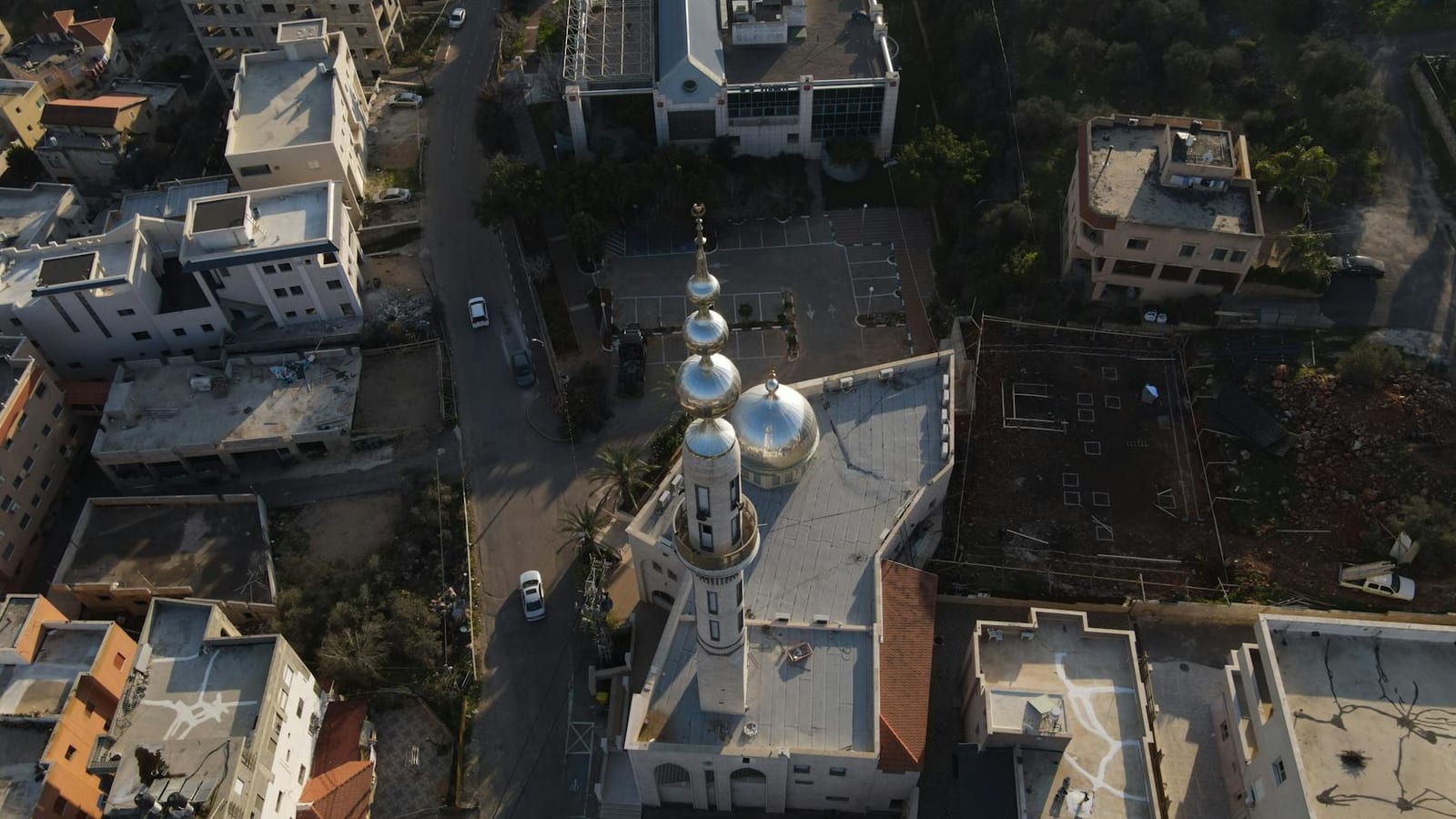
A city siren is not just a warning. It is a reminder that wars can reach homes, ports, factories, and family budgets very quickly.
Hezbollah fired 135 Fadi 1 missiles towards Haifa, Israel’s third-largest city, on October 7, 2024. The Iran-backed group said it targeted a military base south of the city.
Israel answered within hours. Its military said the air force struck more than 120 Hezbollah targets in southern Lebanon in a one-hour operation.
Haifa attack raises the stakes
Haifa matters because it is not a remote border outpost. It is a major Israeli urban and industrial centre, with a large port and dense civilian life.
Hezbollah said it used Fadi 1 missiles in the attack. Israel’s military said sirens sounded across parts of the country through Monday evening.
Reports from Israeli authorities said ten people were hurt in the Haifa region. Two more people were injured in southern Israel.
That number may look small beside the scale of the missile barrage. But for residents, the calculation is simpler. One warning siren can shut schools, empty streets, and freeze local commerce.
This is how conflict changes daily life first. Not through policy papers, but through closed shops, interrupted work shifts, and families running to shelters.
Israel strikes back in Lebanon
The Israeli military said its air force hit more than 120 Hezbollah sites in southern Lebanon within 60 minutes. It described the operation as a wide air campaign.
Israel has been fighting Hezbollah in Lebanon while continuing its war against Hamas in Gaza. The two fronts now feed into each other.
Lebanese official and military sources said Israeli air strikes killed 11 people and injured 17. Lebanon’s health ministry said six people died in a strike on a residential building in Kayfoun village, in Mount Lebanon’s Aley district.
Another Israeli strike killed five people and injured four others, according to Lebanese authorities.
These are the lines that often disappear in strategic talk. A “target” on a military map can sit beside homes, shops, and roads that ordinary people use every day.
For Lebanon, that risk is sharper because the country already carries deep economic pain. Power shortages, weak public services, and a broken financial system have squeezed families for years.
October 7 returns to centre stage
The missile exchange came exactly one year after the October 7, 2023 attack by Hamas on southern Israel.
Israeli figures say Hamas killed around 1,200 people that day and took more than 250 hostages. The attack triggered Israel’s war in Gaza.
Iran’s Supreme Leader Ayatollah Ali Khamenei marked the anniversary by praising the Hamas operation on social media. He said it had pushed Israel back by decades.
That message matters because Hezbollah does not operate in a vacuum. It remains part of Iran’s wider regional network, alongside groups that put pressure on Israel from different directions.
The result is a dangerous triangle. Gaza keeps burning, Lebanon keeps shaking, and Iran signals that it sees this as a long fight.
For India, this is not a faraway television war. West Asia touches Indian interests through oil, shipping, jobs, and the safety of Indian workers abroad.
When missiles fly near ports and energy routes, businesses start asking practical questions. Will insurance costs rise? Will cargo take longer? Will fuel markets panic again?
Markets watch West Asia closely
Wars do not need to block a tanker to hit household budgets. They only need to raise fear.
Oil traders price risk quickly. If they believe a wider regional conflict may hit supply routes, crude prices can move even before any physical shortage appears.
India imports much of its crude oil. So any sharp rise in global prices can feed into petrol, diesel, airline costs, and transport bills.
That pressure travels down the chain. A logistics firm pays more for fuel. A wholesaler pays more to move goods. A kirana store owner finally sees higher delivery costs.
The government then faces a familiar headache. It must balance inflation, fuel taxes, and consumer anger, all while global events remain outside its control.
There is also the remittance question. Indian families with relatives working in West Asia watch these conflicts with private anxiety.
Even if workers live far from the fighting, instability changes confidence. Families delay travel. Employers delay projects. Some workers start planning exit routes.
That is why the Lebanon front matters beyond battlefield language. It sits inside a much larger economic map that includes Indian ports, refineries, airlines, and migrant households.
A wider conflict remains possible
The immediate military message from Israel is clear. It wants Hezbollah to know that large missile attacks will invite a rapid answer.
Hezbollah’s message is just as clear. It wants to show that Israeli cities and military sites remain within reach.
This is the dangerous part. Both sides may believe controlled escalation helps them. But missiles, air strikes, and civilian casualties rarely stay inside neat limits.
A single misread target can change the mood. A higher death toll can force leaders to respond harder. A strike near sensitive infrastructure can drag in more players.
The region has seen this pattern before. Each side says it seeks deterrence. Each side then acts in ways that make the next round more likely.
For ordinary people, the language of deterrence offers little comfort. It does not reopen a school, repair a home, or calm a child after a siren.
The next few days will show whether this remains a violent exchange or becomes something larger. For Indian readers, the lesson is blunt. A missile fired in Haifa or an air strike in Lebanon can still find its way into fuel bills, market nerves, and family WhatsApp groups back home.