Hezbollah Haifa barrage sparks Israel Lebanon strikes
Hezbollah said it fired 135 missiles near Haifa as Israel hit over 120 targets in Lebanon, raising fresh risks for oil, shipping and markets.
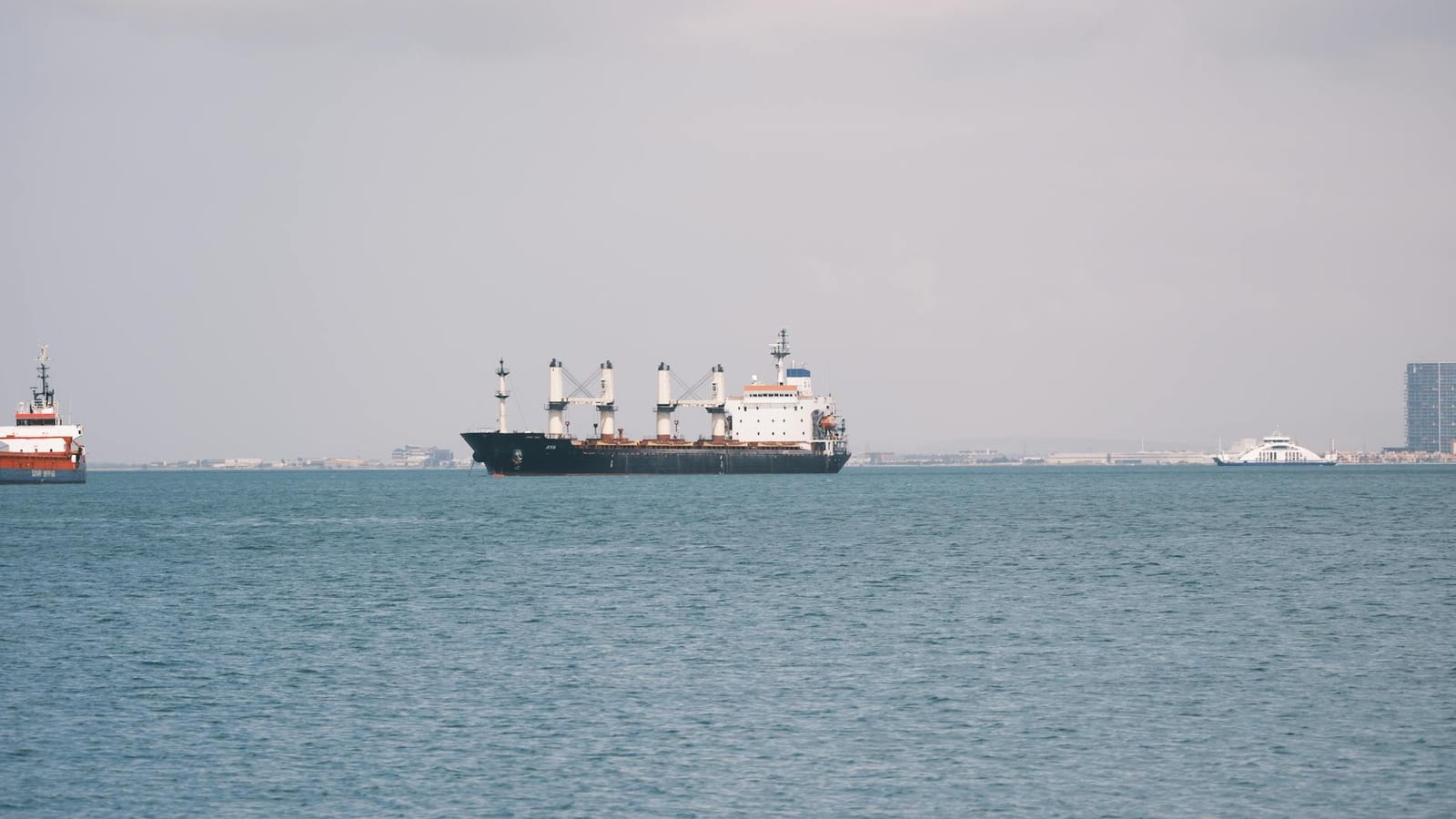
A city siren in Haifa now carries a message far beyond one Israeli port. It tells families to run, traders to watch oil, and governments to brace for another Middle East shock.
Hezbollah said it fired 135 Fadi 1 missiles on Monday at a military base south of Haifa, Israel’s third-largest city. Israel answered with air strikes on more than 120 Hezbollah targets in southern Lebanon within an hour, its military said.
For India, this is not a faraway war story. Every flare-up in West Asia sits close to our fuel bill, shipping routes, migrant workers, and markets.
Haifa attack widens the fear
Hezbollah’s strike marked one of its larger attacks in recent days. The group said it targeted a military base south of Haifa with Fadi 1 missiles.
Israel’s military said fire from Lebanon reached Israeli areas by Monday evening. Reports from the ground said ten people were injured around the Haifa region. Two more people were injured in southern Israel.
Haifa matters because it is not just another dot on a map. It is a major urban and port hub. When missiles reach areas around such a city, the sense of risk changes sharply.
For ordinary residents, the war becomes less about frontlines and more about daily choices. Schools, offices, transport, hospitals, and shops all start working around sirens and shelters.
That is the human cost hidden behind missile counts. A number like 135 sounds like battlefield arithmetic. For families below those flight paths, it means minutes of panic and hours of uncertainty.
Israel hits back in Lebanon
Israel said its air force carried out a wide operation in southern Lebanon. It said more than 120 Hezbollah-linked targets were struck within 60 minutes.
The Israeli military has kept up operations against Hezbollah in Lebanon and Hamas in Gaza. In recent days, it had also said it attacked around 1,600 targets in Lebanon.
Lebanon’s toll has grown alongside these strikes. Lebanese official and military sources said Israeli air attacks killed 11 people and injured 17 others.
The health ministry said six people died in Kafoun village in the Aley district of Mount Lebanon. Thirteen others were injured there after a residential building was hit. Another Israeli strike killed five people and injured four.
This is where the language of “targets” becomes too neat. A target may sit beside homes, roads, shops, or apartment blocks. Once bombs fall, civilians pay even when they never chose the war.
Lebanon has already lived through years of economic pain. Its currency collapsed, savings vanished, and basic services became fragile. War pressure now lands on a society with very little cushion left.
Iran frames October 7 again
Iran entered the information battle on Monday too. Supreme Leader Ayatollah Ali Khamenei described Hamas’s October 7 attack as a turning point for Palestinians.
He wrote on social media that the Al-Aqsa operation had pushed the Zionist regime back by 70 years. Israel and its allies see that same day very differently.
On October 7, 2023, Hamas launched a large attack on southern Israel. The source account says more than 5,000 rockets were fired in 20 minutes. Around 1,200 people were killed. More than 250 people were taken hostage.
That attack triggered the war in Gaza. It also pulled Hezbollah deeper into cross-border fire with Israel. One year later, the conflict has spread into a wider regional chain reaction.
This is the old West Asian pattern, but with sharper edges. One attack invites a bigger response. That response creates fresh anger. Militias, states, and civilians all get dragged into the next round.
For India, the key question is not only who fired first this week. It is whether the region can stop this cycle before it hits trade, energy, and workers harder.
Why Indian households should watch
West Asia sits close to India’s economic nerves. India buys a large share of its crude oil from the region. Any fear around supply can move prices quickly.
When crude oil gets costlier, India feels it in many places. Petrol and diesel prices may come under pressure. Airfares can rise. Transport costs can feed into vegetables, groceries, and manufactured goods.
A kirana store owner in a tier-2 city may never track Haifa or southern Lebanon. Yet higher freight costs can still reach his shelves. Young professionals paying EMIs may feel the pinch if inflation stays stubborn.
Markets also dislike war uncertainty. Investors can digest bad news when the limits are clear. They struggle more when each week brings a fresh missile exchange.
Shipping is another concern. The Mediterranean, Red Sea, and Gulf routes connect energy, goods, and exports. Even small disruptions can raise insurance and freight costs.
Indian companies with Middle East exposure will also watch the temperature. Airlines, ports, oil firms, exporters, and construction groups all depend on predictable routes and stable demand.
Then there are workers. Millions of Indians live and work across West Asia. Many support families back home through remittances. A wider conflict always raises anxiety in those households.
The dangerous new normal
The most worrying part is how routine this has started to sound. One side fires rockets. The other announces air strikes. Casualty numbers follow. Then the region waits for the next round.
That rhythm can numb people. But each round changes the ground slightly. More towns enter missile range. More civilians flee or grieve. More governments face pressure to act tough.
Hezbollah has shown it can keep hitting northern Israel. Israel has shown it can strike hard inside Lebanon. Iran keeps framing the conflict as part of a larger regional struggle.
None of this points to a quick pause. It points to a conflict that can expand without anyone formally declaring a wider war.
India will watch this with two minds. One is diplomatic, because New Delhi has ties across the region. The other is domestic, because inflation and energy costs arrive quietly at the dinner table.
For now, the battlefield sits in Haifa, southern Lebanon, and Gaza. But the aftershocks travel much further. In India, they may show up as dearer fuel, nervous markets, worried families, and another reminder that distant wars rarely stay distant for long.