Hezbollah Haifa missile strike widens Israel war risk
Hezbollah's barrage near Haifa and Israeli strikes in Lebanon deepen fears of a wider conflict, with civilians and markets watching the fallout.
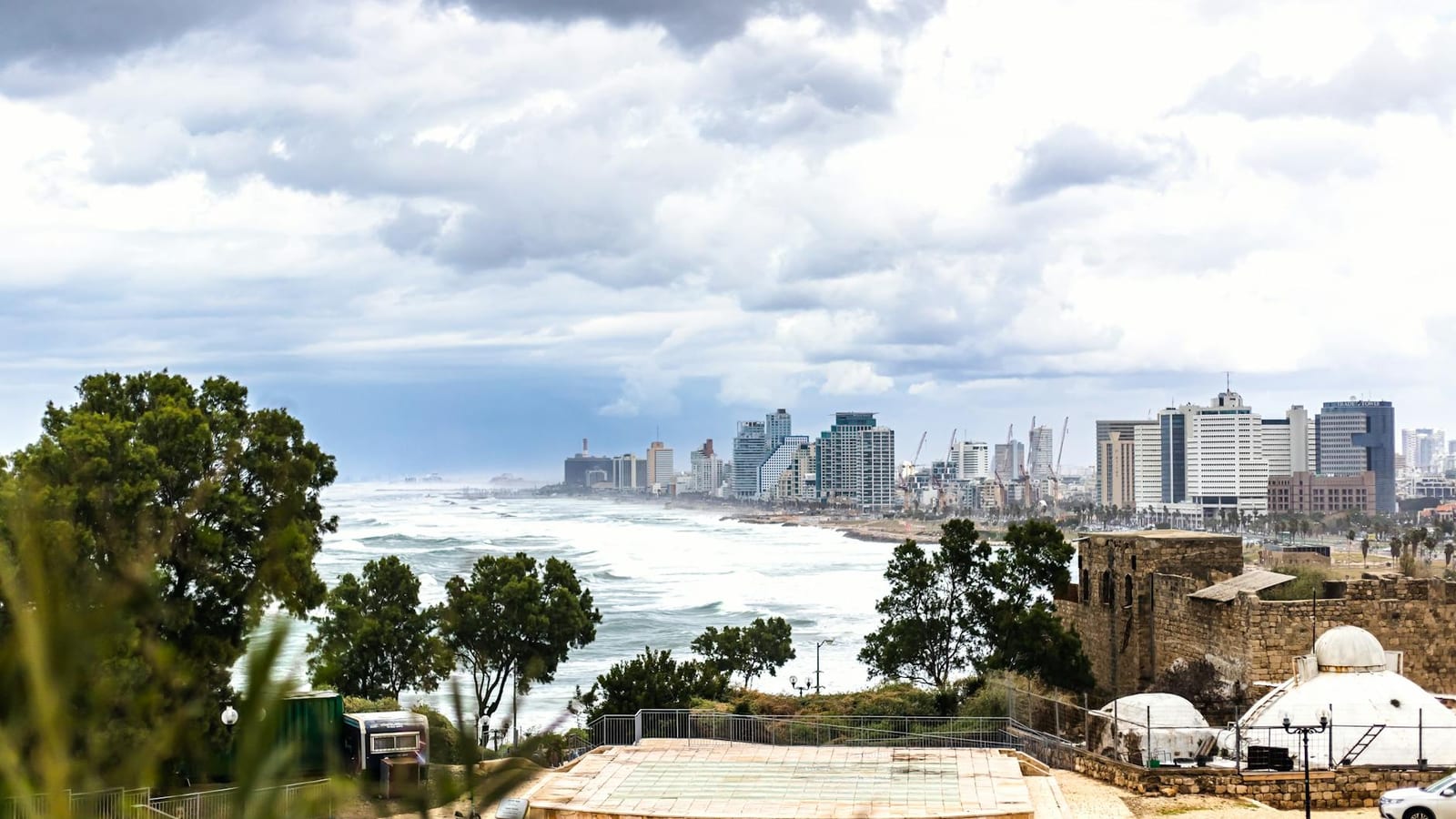
A city siren in Haifa now carries a message beyond northern Israel. It tells families to run, markets to brace, and governments to ask how far this war can spread.
Hezbollah said it fired 135 Fadi 1 missiles towards a military base south of Haifa on Monday. Israel answered with air strikes across southern Lebanon, hitting more than 120 Hezbollah targets in about an hour.
This is no longer a border skirmish that the region can easily box in. It is a widening fight with civilians, businesses, fuel buyers, and migrant workers all watching nervously.
Haifa attack raises the stakes
Hezbollah said the missile barrage targeted an Israeli military base near Haifa. Israel’s third-largest city sits far from the immediate border zone, which makes the attack politically and militarily sharper.
The Israeli military said northern and central parts of the country faced fire through Monday. Reports from Israel said 10 people were injured in the Haifa area, while two more were hurt in the south.
For Israeli families, the drill is now painfully familiar. A normal evening can turn into a race towards shelters. For shopkeepers, transport workers, and small businesses, each siren means closed shutters and lost hours.
Hezbollah called the rockets Fadi 1 missiles. The name matters less to ordinary people than the range. When a group can threaten a major city, daily life starts shrinking.
Israel hits back in Lebanon
The Israeli military said its air force struck over 120 Hezbollah targets in southern Lebanon within 60 minutes. It described the operation as a wide air campaign against militant sites.
Israel has kept up operations in both Gaza and Lebanon, targeting Hamas and Hezbollah. The two groups operate in different theatres, but Israel sees them as part of a linked security threat.
In recent days, Israeli forces also said they hit about 1,600 targets in Lebanon. That scale gives a sense of the pressure Israel wants to place on Hezbollah’s network.
But air campaigns rarely stay neat on the ground. Lebanon’s health ministry said Israeli strikes killed 11 people and injured 17 others in separate attacks. Six people died in Kayfoun village, in the Aley district of Mount Lebanon.
Another Israeli strike killed five people and injured four more, according to Lebanese official and military sources. For Lebanese families, the war is no longer distant footage from Gaza. It is arriving at apartment blocks and villages.
October 7 still shapes decisions
Monday’s violence came around the first anniversary of the October 7 attack on southern Israel. Hamas fired thousands of rockets and sent armed fighters across the border that day.
Israel says about 1,200 people were killed in the attack. More than 250 people were taken hostage. That trauma still drives Israeli military and political choices.
Iran’s Supreme Leader Ayatollah Ali Khamenei praised the October 7 operation on social media. He said it had pushed the Zionist regime back by decades. His statement shows how deeply the conflict now sits inside regional politics.
For India, this is where the story moves from foreign news to household economics. West Asian conflict affects fuel prices, shipping costs, airline routes, and investor mood.
A petrol pump price does not rise because of one missile alone. But markets price fear quickly. If traders believe the conflict could threaten oil supply routes, crude prices can harden fast.
That matters for India because the country imports most of its crude oil. When oil turns expensive, the pressure travels through the economy. Diesel, transport, food delivery, factory input costs, and air tickets all feel it.
Why Indian readers should care
Many Indians follow West Asia through emotion, faith, history, or foreign policy. But business readers should also follow the supply chain map.
The region sits close to key energy and shipping arteries. When war risks rise, shipping insurers charge more. Airlines may avoid certain routes. Cargo movement can slow.
A small exporter in Surat or Tiruppur may not track every missile launch. Yet delays, freight costs, and currency swings can still reach his balance sheet. That is how global conflict enters a local ledger.
Indian workers in the region also watch such escalations closely. Many families back home depend on remittances from Gulf jobs. Any wider conflict can make travel, employment, and safety planning more uncertain.
There is another market angle. Defence escalation often pushes investors towards safer assets. Riskier markets can see sudden mood swings. Companies with fuel-heavy operations may face fresh cost pressure.
None of this means panic. It means attention. Businesses hate uncertainty more than bad news, because bad news can be priced. Uncertainty keeps changing shape.
The danger of a wider war
Hezbollah’s Haifa strike and Israel’s Lebanon response show a dangerous rhythm. One side expands its reach, the other side expands its target list. Each round raises the cost of stepping back.
Israel wants to weaken Hezbollah’s military capacity near its northern border. Hezbollah wants to show that pressure on Gaza will carry a price elsewhere.
Lebanon, meanwhile, remains trapped between state weakness and militia power. Ordinary Lebanese citizens pay for decisions they do not control. Homes, roads, hospitals, and local businesses become part of the battlefield.
The harsh truth is that modern wars also attack time. Children lose school days. Workers lose wages. Families delay weddings, travel, and medical care. Business owners stop investing because tomorrow looks too uncertain.
For India, the lesson is practical. A war in West Asia does not need to become a world war to pinch the Indian pocket. It only needs to disturb oil, shipping, and confidence.
The next few days will show whether both sides keep this fight within a brutal but limited frame. If they do not, the shock will travel far beyond Haifa and southern Lebanon. It will reach fuel bills, trade routes, and family budgets in countries like ours.