India Clears Hydrogen Train For Haryana Rail Route
Indian Railways has approved a 10-coach hydrogen-powered train for the Jind-Sonipat route, with green hydrogen storage planned at Jind.
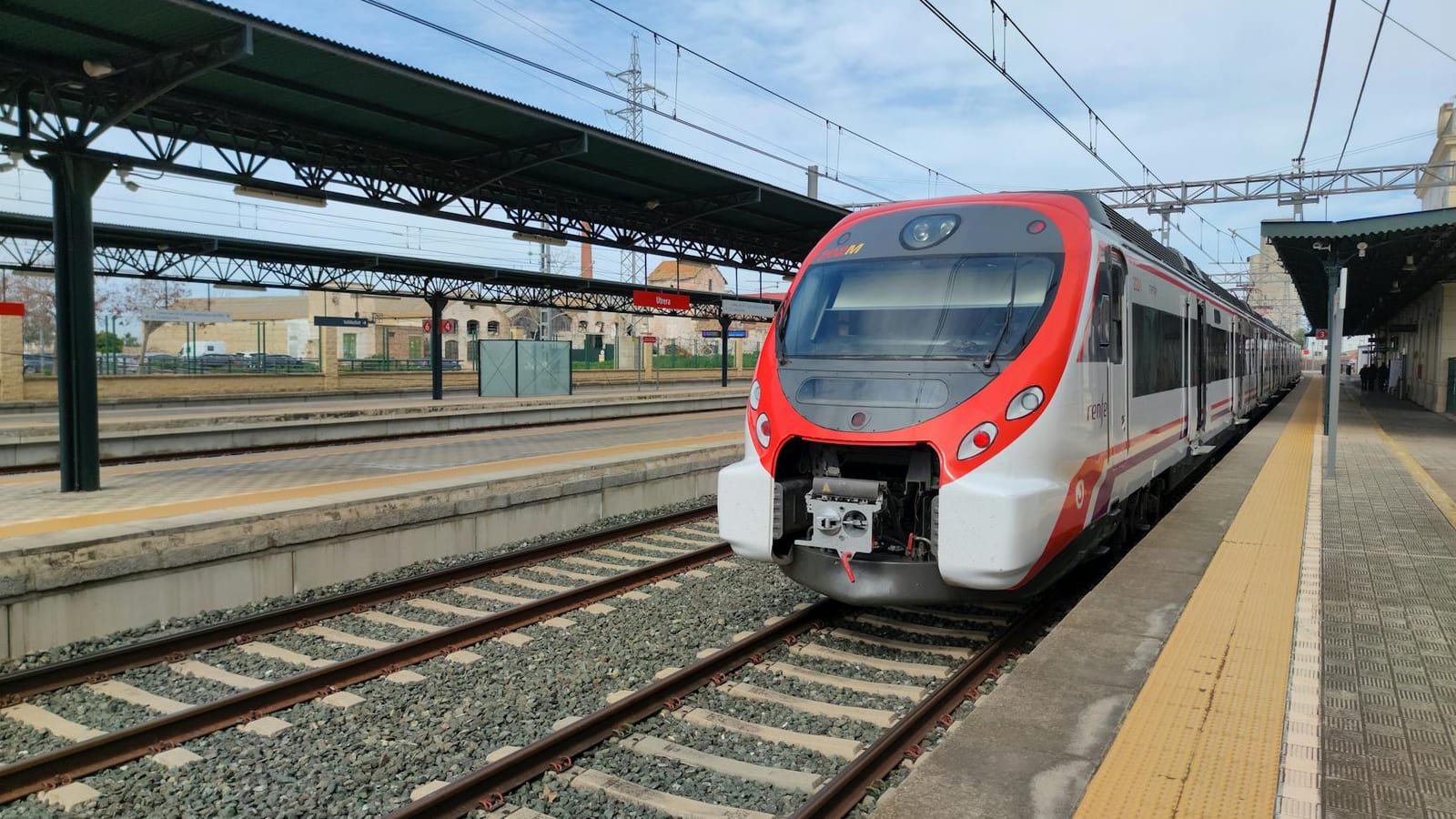
A train that leaves only water vapour behind sounds like a railway minister’s dream.
For passengers on the Jind to Sonipat route in Haryana, that dream may soon become a real train, with real seats, real schedules, and real maintenance headaches. Indian Railways has cleared India’s first hydrogen-powered train for service on this stretch.
The ambition is big. India is not just testing a hydrogen train. It is preparing what Railways says will be the world’s longest hydrogen train, with 10 coaches and a top speed of 75 kmph.
India’s hydrogen bet begins in Haryana
The new train will run on a 1,200 kilowatt hydrogen fuel cell propulsion system. In simple terms, the train will use hydrogen to make electricity on board. That electricity will power the train.
The clean part is what makes this attractive. A hydrogen fuel cell does not throw out smoke like a diesel engine. Its main emission is water vapour.
Railways has also built the supporting fuel system at Jind. Instead of bringing hydrogen from outside, a green hydrogen plant is being developed there. The plant can store 3,000 kg of hydrogen at a time.
Green hydrogen is made by splitting water into hydrogen and oxygen using electricity. This process is called electrolysis. If that electricity comes from clean sources, the fuel becomes far cleaner than diesel.
That is the theory. The test, as always, lies in daily use. Indian Railways has almost completed electrification across its network, which has already reduced its dependence on diesel. So hydrogen must prove why it deserves space in this system.
Why Jind-Sonipat makes sense
The Jind-Sonipat section offers Railways a practical test bed. It is not too short to hide problems. It is also not too large to make the first trial unmanageable.
For a new fuel system, that matters. Hydrogen needs storage, filling points, trained staff, sensors, and emergency systems. You cannot treat it like another coach upgrade.
Railways plans to place trained staff on the train during the first phase. It has also mandated regular inspection and maintenance. The train will use hydrogen leak detectors, flame detectors, and other sensors.
That is not a small detail. Hydrogen is clean, but it also needs careful handling. It is light, difficult to detect without equipment, and must be stored under controlled conditions.
For ordinary passengers, the first test will be simpler. Does the train arrive on time? Is it reliable in heat, dust, and crowded Indian conditions? Can Railways keep it running without long service breaks?
Those questions matter more than any glossy launch. A train becomes useful only when people can depend on it.
The global record is mixed
India is entering this race after other countries have already tried hydrogen trains. That gives Railways a useful warning, not just a model.
Germany began running hydrogen trains in 2018. It was seen as a clean transport breakthrough at the time. But by 2024, many of those trains had reportedly been pulled back, with operators looking again at electric alternatives.
Japan began trials in 2022. China has also tested hydrogen trains, though commercial passenger operations have not taken off in the same way. The common problem has been cost.
The business case is tough. Hydrogen trains need expensive fuel cells, storage systems, refuelling stations, and maintenance skills. If an electric train can do the same job cheaper, hydrogen loses its shine quickly.
The source material also points to Cummins, which supplied fuel cell systems used in Germany. The company sold its fuel cell business after losses of $657 million. That number should make Indian planners pause.
This does not mean India should avoid hydrogen. It means India must use it where it actually solves a problem. The best use may not be busy electrified routes. It may be smaller stretches where full electrification is difficult or costly.
Cost will decide the future
The financial question is already visible. India is discussing the purchase of 35 hydrogen trains, with an expected cost of ₹2,800 crore.
That works out to a very expensive experiment if the technology does not scale. For Railways, every rupee has competing claims. Track upgrades, safety systems, station work, faster trains, and local connectivity all need money.
Hydrogen trains will have to compete with those priorities. They cannot survive only on the promise of clean transport. They must show lower lifetime costs, better reliability, or clear value on routes where electric trains are not practical.
There is also a supply chain angle. If India builds more such trains, domestic companies could gain work in fuel cells, storage tanks, sensors, and hydrogen plants. That could create a new industrial base.
But suppliers and taxpayers need clarity. Is this a serious long-term programme, or a limited demonstration? Will Railways buy enough trains to build scale? Who will maintain them, and at what cost?
These are not boring accounting questions. They decide whether clean technology becomes daily transport or a short-lived showcase.
For passengers, the answer will be felt in small ways. Cleaner trains mean less pollution near stations. Better fuel systems could reduce diesel use. But if the technology proves costly, fares, subsidies, or other railway projects may carry the burden.
India’s hydrogen train is exciting because it asks a practical question, not a fashionable one. Can clean technology work at Indian scale, under Indian pressure, and still make financial sense? The Jind-Sonipat run will not answer everything. But it will show whether this idea can leave the trial track and earn a place in the timetable.