India Sends Chenab Flood Alert To Pakistan Amid Tensions
India warned Pakistan of high Chenab flows after Salal dam gates opened for desilting, giving downstream Punjab officials time to prepare.
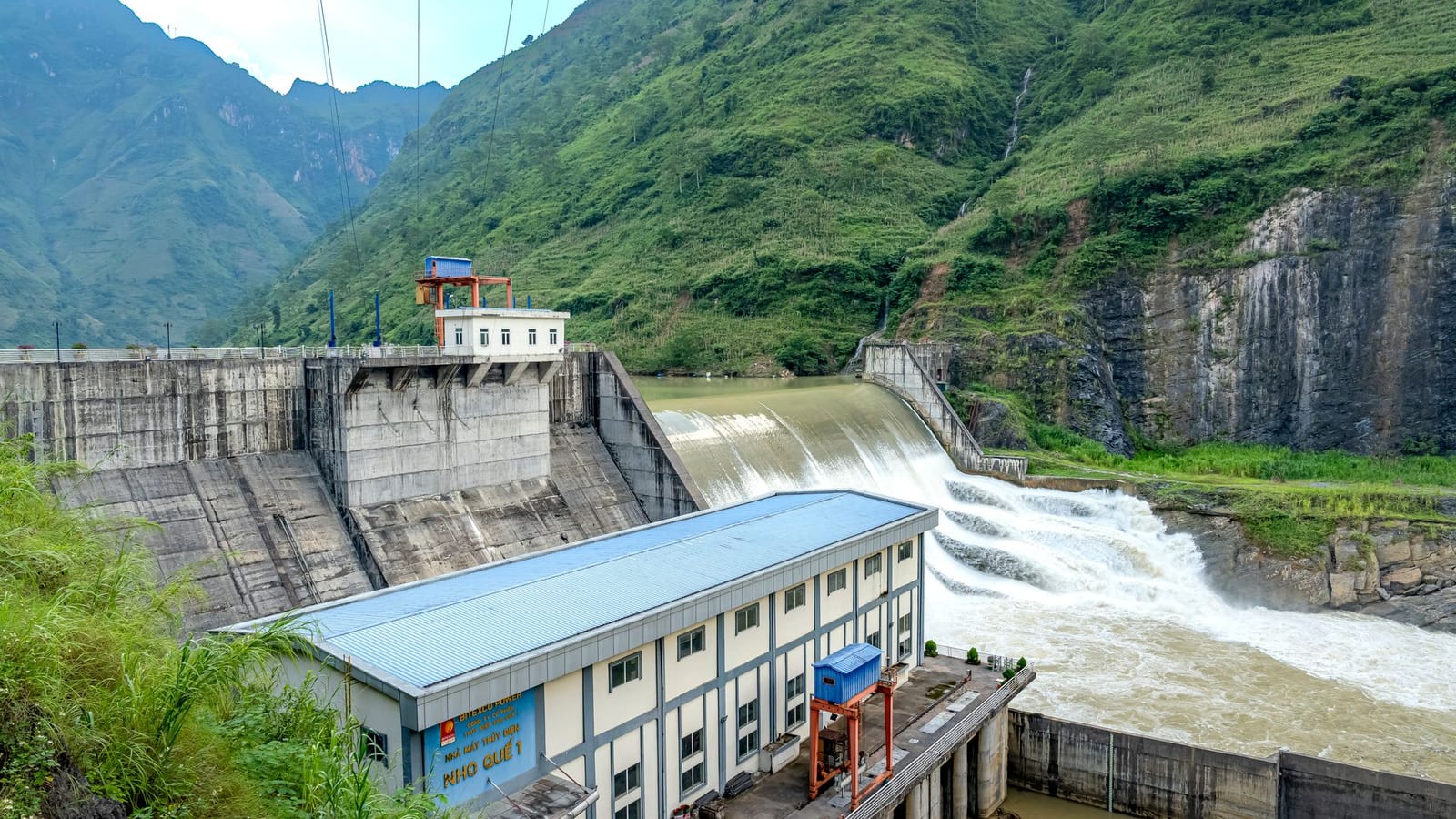
When a dam gate opens upstream, politics suddenly becomes very small for families downstream.
That is the plain truth behind India’s flood alert to Pakistan this week. Even after suspending the Indus Waters Treaty and facing a fresh round of hostility from Islamabad, New Delhi warned Pakistani authorities about rising water flows in the Chenab.
The warning gave officials across the border time to prepare rescue teams and issue local alerts. In a season when one missed message can cost lives, that mattered more than the usual noise on television screens.
Chenab warning crossed a hard border
Indian officials informed Pakistan that water flows in the Chenab river would remain high till May 30. The increase followed the opening of spillway gates at the Salal dam in Jammu and Kashmir.
The gates were opened ahead of the monsoon for desilting. In simple words, officials needed to flush out accumulated silt so the dam could handle heavier rain and stronger flows later.
That routine dam work can still create a serious problem downstream. When water rises sharply in the Chenab, low-lying areas in Pakistan’s Punjab province can face flooding.
Indian authorities passed the warning to Pakistan in time. Pakistani officials then alerted local disaster management teams, including in Sialkot, where the Chenab’s mood is watched closely.
For ordinary people, this is not a treaty debate. It is about whether a family moves cattle to higher ground. It is about whether a farmer gets a few hours to save stored grain. It is about whether rescue workers stand ready before water enters homes.
Treaty freeze did not stop warning
The alert came against a bitter diplomatic backdrop. India suspended the Indus Waters Treaty after the terror attack in Pahalgam in April last year, whose links New Delhi traced to Pakistan.
That suspension changed the tone of water diplomacy between the two countries. Pakistan accused India of using water as pressure. Its leaders warned India and took the argument to global forums.
India, meanwhile, has argued that Pakistan cannot expect routine cooperation while cross-border terror continues. That has been New Delhi’s larger message since the Pahalgam attack and the later Operation Sindoor.
Yet this week’s warning shows a practical line still exists. India did not resume business as usual. But it did share a life-saving flood alert when the risk became real.
That distinction matters. Water can become a strategic asset in tense times. But flood information is also a humanitarian issue. Holding back such information would hurt civilians first, not generals or ministers.
Anyone who has watched India-Pakistan relations long enough knows this pattern. The public argument turns fierce. The back channels, when lives are at stake, often remain more careful than the slogans suggest.
Why the Salal dam matters
The Salal dam sits on the Chenab in Jammu and Kashmir’s Reasi district. It is part of India’s hydropower network on one of the major rivers of the Indus basin.
The Chenab is one of six rivers linked to the Indus system. The others are the Indus, Jhelum, Ravi, Beas and Sutlej. These rivers do not respect political anger. They follow geography, gravity and rainfall.
That is why information matters so much. A dam release upstream may look technical on paper. Downstream, it can change the day for thousands of households.
Before the monsoon, dams often need operational work. Silt builds up over time, especially in Himalayan river systems. If managers do not clear it, storage and safety can suffer.
The Reasi district administration had moved to open the gates for this pre-monsoon work. The information then reached Pakistan’s Punjab agriculture authorities in advance.
Once the warning moved through the system, Sialkot’s deputy commissioner issued an alert for disaster management teams. That gave local officials time to prepare, instead of reacting after water levels rose.
This is the boring part of governance, but it saves lives. No grand speech does what a timely warning can do before a flood.
Water politics has a human cost
The Indus Waters Treaty has survived wars, terror attacks and long diplomatic freezes since 1960. It has often been called one of the few working arrangements between India and Pakistan.
But even durable agreements depend on political weather. After Pahalgam, India signalled that old arrangements could not continue untouched if Pakistan-backed terror remained part of the picture.
For Pakistan, the concern is direct. Its agriculture depends heavily on the Indus basin. Large parts of Punjab, Pakistan’s food basket, rely on river flows and canal networks.
For India, the issue is also about rights and restraint. Indian officials have long felt that the treaty limited India’s ability to fully use rivers allocated under its share, especially for power projects.
So the larger argument will not disappear. Pakistan will keep raising fears about water security. India will keep linking cooperation to terror and national security.
But the flood alert sits in a different moral category. It shows that India can draw a hard political line while still acting responsibly when civilians face danger.
That matters for India’s global image too. New Delhi has been under pressure to show that its response after Pahalgam remains firm, but not reckless. A timely warning helps that argument.
It also makes Pakistan’s public charge harder to sustain in simple terms. If India truly wanted to weaponise every drop, it would not warn about rising flows in advance.
The monsoon will test both sides
The timing is important. The monsoon is close, and the Indus basin becomes more sensitive during heavy rains. Even small gaps in coordination can create large local crises.
For people living near the Chenab, alerts are not abstract. A river can look manageable in the morning and frightening by evening. A few extra hours can decide whether livestock, documents and savings survive.
That is why disaster management works best before disaster arrives. Local officials need time to move equipment, warn villages and identify shelters.
India and Pakistan do not need warmth to exchange such alerts. They need discipline. They need working lines between technical agencies, even when politicians are trading accusations.
The hard truth is that climate stress will make this harder. Himalayan rivers already carry the weight of glacial melt, erratic rain and heavier flood bursts. Old assumptions about predictable seasons look weaker every year.
This is where water politics becomes more than diplomacy. It touches power generation, crop planning, insurance, food prices and rural livelihoods. A flood in one district can ripple into markets far beyond the riverbank.
For India, the message is sharp but simple. Security concerns may drive treaty decisions, but humanitarian warnings must continue when lives are at risk. For Pakistan, the warning is also a reminder that loud diplomacy cannot replace working disaster systems at home.
The Chenab will keep flowing through hostile politics and fragile weather. The real test now is whether both countries can keep enough sense alive to protect ordinary people when the river rises again.