India Warns Pakistan of Chenab Flood Risk After Dam
India alerted Pakistan to high Chenab river flows after Salal dam gates opened, giving Punjab authorities time to prepare rescue and relief teams.
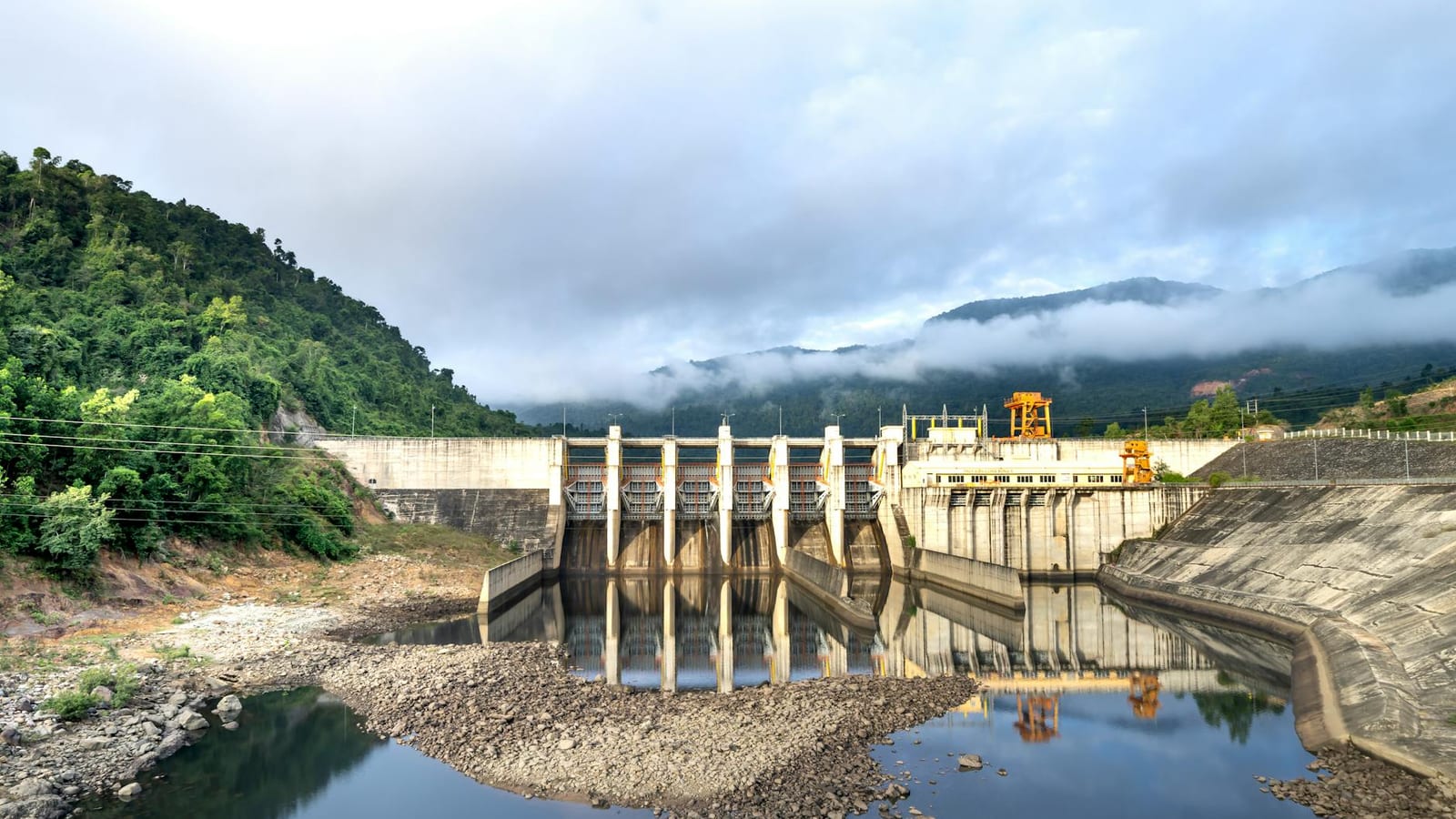
A flood warning can sound like a dry government message, until it buys families a few extra hours to move.
That is what happened this week on the Chenab river. Even with India-Pakistan ties running cold, New Delhi alerted Islamabad about rising water after gates at the Salal dam were opened in Jammu and Kashmir.
For people downstream in Pakistan’s Punjab, that warning was not diplomacy on paper. It meant local officials could put rescue teams on alert before the river swelled.
Chenab warning crossed a tense border
India informed Pakistan in time about a possible flood risk from the Chenab river. The alert followed higher water flow after spillway gates were opened at the Salal dam.
The warning mattered because Chenab does not stop at the border. What happens upstream in Jammu and Kashmir can quickly shape life downstream in Pakistan’s Punjab.
Pakistani authorities were told that water levels could remain high till May 30. That gave district teams time to prepare for relief and rescue work.
This is the unglamorous side of crisis management. No big speeches, no drama, just a message sent before water becomes danger.
Why Salal dam gates opened
The Salal dam sits on the Chenab in Jammu and Kashmir’s Reasi district. Officials opened its gates before the monsoon to clear silt.
Silt is the mud, sand, and loose material that rivers carry. If too much builds up near a dam, it can affect storage and water movement.
So, before heavy rains arrive, dam managers often release water in a controlled way. That helps keep the structure ready for the rougher monsoon weeks.
The Reasi district administration had already moved on this exercise. Pakistan’s Punjab agriculture department was also informed about the expected flow.
After that, officials in Sialkot issued an alert for their disaster management setup. That is the chain that matters in flood season.
One office opens gates. Another tracks the water. A third puts teams, vehicles, and shelters on standby.
For villagers, farmers, and small traders near flood-prone stretches, the difference can be very practical. It can decide whether grain bags, cattle, tools, and documents are moved in time.
Indus treaty freeze still looms
This warning came after India had suspended the Indus Waters Treaty. New Delhi took that step after the Pahalgam terror attack in April 2025, whose links it traced to Pakistan-based elements.
The treaty has long been one of the few working arrangements between the two countries. Even when wars and border crises came, water officials usually kept channels open.
The Indus system includes six rivers: Indus, Jhelum, Chenab, Ravi, Beas, and Sutlej. These rivers support farming, drinking water, and local economies across both sides.
That is why water is never just water in this region. It is food, electricity, land value, and village survival rolled into one.
Pakistan has accused India of using water as pressure. Indian officials have rejected that framing and have linked the treaty pause to terrorism concerns.
Yet this week’s alert shows something more complicated. Even after a hard political step, India still passed on flood information when lives could be at risk.
That distinction matters. Suspending a treaty is a strategic decision. Warning about a flood is an emergency action.
The two can exist together, although the politics around them remains bitter.
Ordinary people carry the risk
Flood alerts are often written in official language. But rivers punish ordinary people first.
A farmer in Pakistan’s Punjab does not need a lecture on treaty clauses when water enters his field. He needs warning, transport, fodder, and a dry place for his family.
A small shopkeeper in a low-lying town faces another problem. Even a short flood can ruin stock bought on credit.
For daily-wage workers, a flood day means no income. For schoolchildren, it may mean damaged books, broken roads, and missed classes.
On the Indian side too, dam releases and monsoon management affect villages near riverbanks. Authorities have to balance dam safety, water flow, and local alerts.
This is where South Asia’s water politics becomes very real. The people most exposed to floods rarely sit in treaty rooms.
They depend on officials getting the basics right. Measure the flow. Share the warning. Move rescue teams. Keep panic down.
That sounds simple. In a tense border climate, it is anything but simple.
Business stakes behind river alerts
This is also a business story, even if it does not look like one at first glance.
The Chenab basin supports agriculture, transport links, local mandis, and small service businesses. When floods hit, they do not only damage homes. They disrupt cash flows.
Farmers may lose standing crops. Traders may see supply chains break. Small factories can face labour shortages if workers cannot travel.
Insurance coverage remains thin in many such areas. So a flood often turns into a debt problem within days.
Governments then spend more on relief, compensation, repairs, and food support. That money could have gone into roads, irrigation, or health services.
This is why early warnings carry economic value. A timely alert may not stop the water, but it can reduce losses.
It also helps local officials avoid chaos. If teams know the river will rise, they can place boats, food packets, pumps, and medical staff earlier.
In business terms, this is risk management. In everyday terms, it is common sense.
The bigger question is whether such warnings remain dependable if India-Pakistan relations worsen. Water systems need steady communication, not mood-based contact.
For now, this episode offers a small but telling lesson. Even in a hostile season, rivers force governments to behave with some discipline. The next monsoon will test that discipline again, and ordinary people on both sides will pay the price if it fails.