India Warns Pakistan On Chenab Flood Risk After Dam
India alerted Pakistan to high Chenab flows after Salal dam gates opened, giving downstream authorities time to prepare despite treaty tensions.
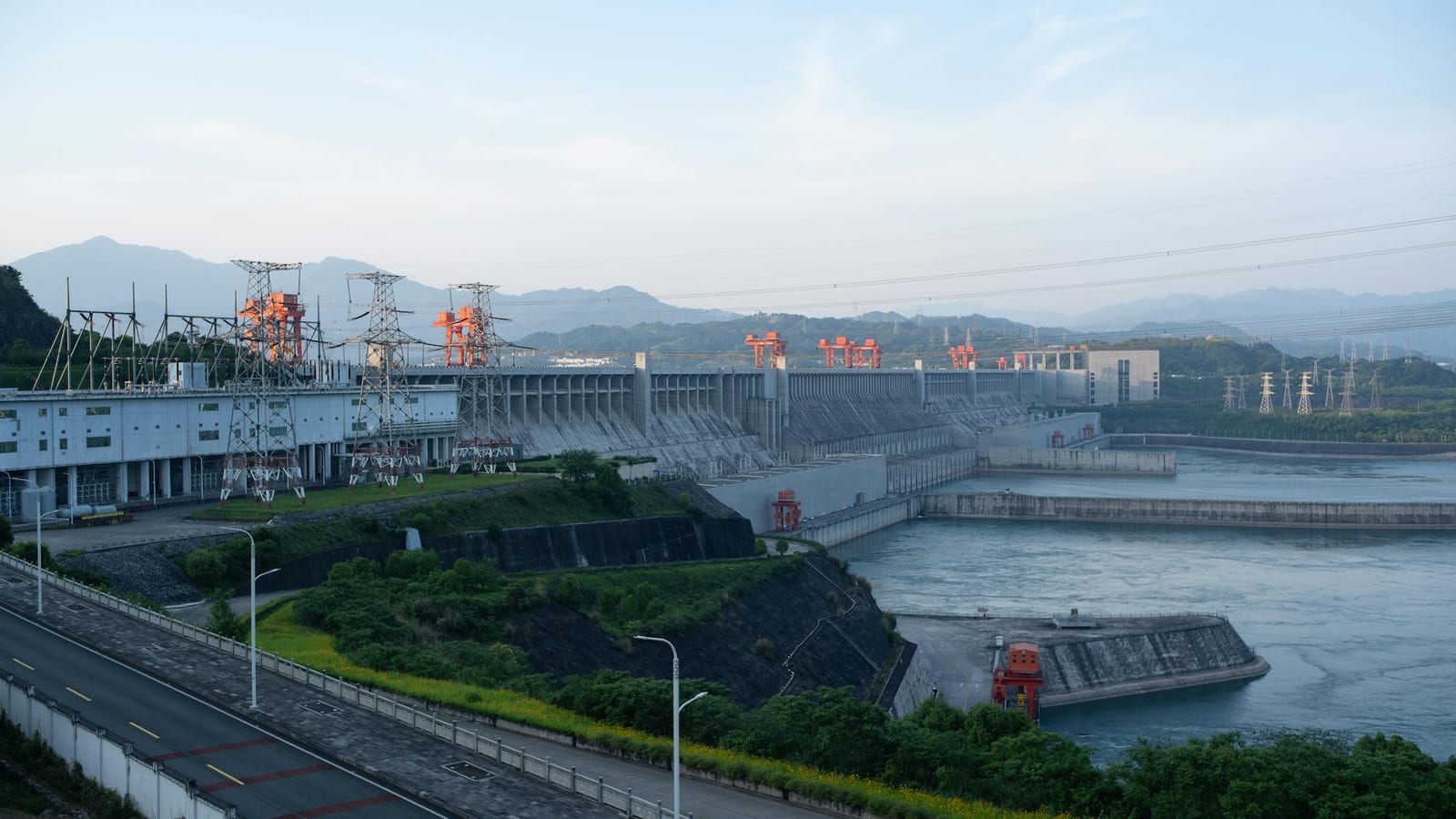
A flood warning can sound like a technical footnote, until it reaches a farmer downstream.
This week, India alerted Pakistan about rising water levels in the Chenab after gates at the Salal dam were opened in Jammu and Kashmir. In plain terms, Delhi gave Islamabad time to prepare before excess water moved downstream.
That matters because the two countries are not exactly trading friendly notes right now. After the Pahalgam terror attack in April 2025, India suspended the Indus Waters Treaty. Pakistan accused India of using water as pressure. Yet, when flood risk rose, India still sent an alert.
Chenab warning reached Pakistan in time
Indian authorities informed Pakistan that water flow in the Chenab River would remain high until May 30. The warning followed the opening of spillway gates at the Salal dam.
A spillway is the part of a dam that releases extra water. Dams use it when storage rises, or when officials need to clear silt before the monsoon.
The alert gave Pakistani officials time to ready local teams. In Pakistan’s Punjab province, district authorities in Sialkot issued instructions to disaster management officials.
For ordinary people, this is where diplomacy becomes practical. A timely warning can decide whether livestock moves, crops get protected, or families leave low-lying homes before water arrives.
Salal dam move before monsoon
The Salal Dam sits in Jammu and Kashmir’s Reasi district. Officials opened its gates ahead of the monsoon to clear built-up silt.
Silt is fine soil and sand carried by rivers. If it gathers inside a dam, it reduces storage and affects water flow.
This is routine dam management, but nothing feels routine between India and Pakistan today. Every water release now carries political weight, especially after India paused treaty-level cooperation.
The Chenab is one of six major rivers in the Indus basin. The others are the Indus, Jhelum, Ravi, Beas and Sutlej. These rivers shape farming, drinking water, power generation and local economies across both sides.
That is why water alerts are not soft gestures. They are public safety tools. They protect people who have no role in border politics.
Treaty freeze changed the mood
India suspended the Indus Waters Treaty after the Pahalgam attack, which Delhi linked to Pakistan-backed terror networks. The move marked a sharp break in a treaty that had survived wars and long periods of hostility.
Pakistan responded with anger. Its leaders said India was turning water into a weapon. Indian officials, meanwhile, pointed to terrorism and national security.
This week’s flood alert shows the difference between treaty politics and basic humanitarian responsibility. India may have frozen formal cooperation, but it still warned Pakistan about immediate danger.
That distinction matters. A treaty dispute can drag for years. A flood does not wait for diplomats.
For farmers in Pakistan’s Punjab, the question is simple. Will the water reach too fast? Will fields flood before harvest? Will local officials act quickly enough?
For people in Jammu and Kashmir too, dam operations are not abstract. River management affects villages, roads, hydropower and construction activity. Poor timing can damage both lives and local business.
Water is now strategic business
Water is no longer just an environmental story. It is a business story too.
The Indus basin supports agriculture, power projects, transport links and small trade networks. When river flows change, the impact travels quickly through the economy.
A flooded field means lost income. A damaged road means higher transport costs. A power disruption means factories and small workshops lose hours. For a kirana store owner in a nearby town, fewer farm incomes mean weaker sales.
That is why flood warnings carry economic value. They reduce losses before they happen. They help local authorities move pumps, boats, food supplies and medical teams.
India’s alert also sends a diplomatic signal. Delhi is saying it can take a hard line on security while keeping a basic line open for disaster risk.
That is a careful balance. It tells Pakistan that terrorism has costs. It also tells the region that India does not want ordinary civilians paying with their lives for every political breakdown.
The river ignores the border
Rivers do not stop at checkpoints. They do not care about speeches, slogans or threats.
That is the uncomfortable truth behind the Chenab episode. India and Pakistan can fight over treaties, terror and trust. But when water rises, both sides still need warning systems that work.
The next test will come with the monsoon. If flows rise again, officials will face the same choice. They can let anger shape every response, or they can keep public safety separate from politics.
For ordinary readers, the lesson is simple. In South Asia, water security is national security, but it is also household security. It decides whether farms survive, whether towns stay open, and whether families get time to move before the river reaches their door.