India warns Pakistan of Chenab rise after dam release
India alerted Pakistan about higher Chenab flows after Salal dam gates opened, giving Punjab authorities time to prepare for possible flooding.
A flood warning can sound like routine paperwork. On the India-Pakistan border, it can also mean families get a few extra hours to move livestock, grain sacks, and children away from rising water.
That is why this week’s alert from India matters. Despite a bitter diplomatic freeze, Indian officials warned Pakistan about higher water flow in the Chenab after gates at the Salal dam in Jammu and Kashmir were opened.
The message gave Pakistani authorities time to prepare for possible flooding in Punjab province. In a region where rivers carry both water and politics, that is no small thing.
Chenab warning crossed a hard border
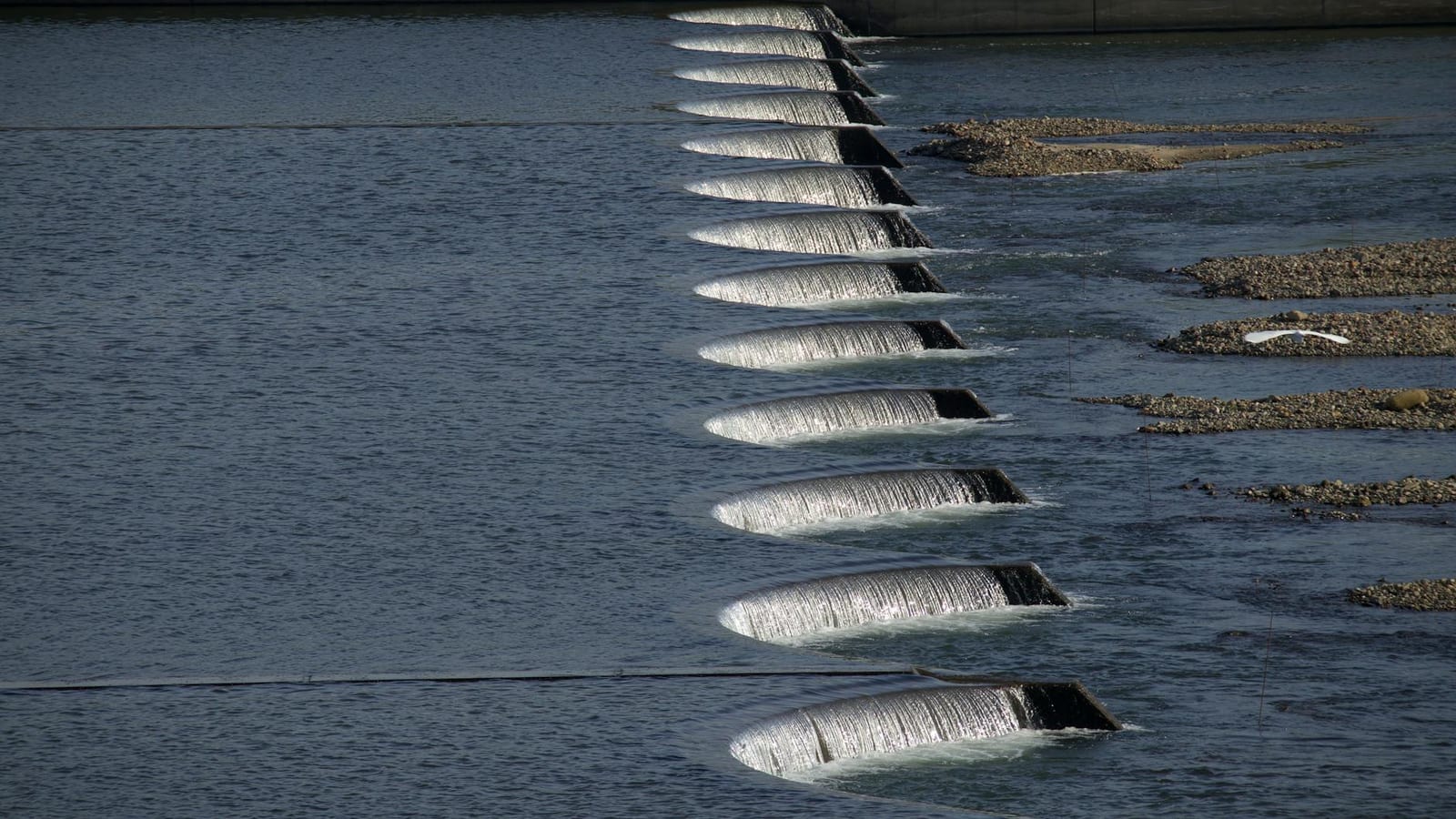
Indian authorities informed Pakistan that water levels in the Chenab river could remain high till May 30. The rise followed the opening of spillway gates at the Salal project.
For people downstream, this is not an abstract river-management note. It can decide whether a village gets an early warning, whether rescue teams reach faster, and whether farmers protect stored grain before floodwater arrives.
The Chenab is one of six rivers in the Indus basin. The others are the Indus, Jhelum, Ravi, Beas, and Sutlej. These rivers shape farming, drinking water, hydropower, and politics across both countries.
When water rises in the upper reaches, low-lying areas across the border can feel the impact. That is why flood alerts, however technical they sound, carry real value on the ground.
Salal dam gates opened before monsoon
The immediate trigger was the Salal dam in Jammu and Kashmir’s Reasi district. Local authorities opened its gates ahead of the monsoon to clear silt.
Silt is the mud and fine material that rivers carry. If too much of it gathers near a dam, it can reduce storage and affect operations. So dam managers release water in controlled ways before heavy rain arrives.
This is normal dam management. But on a river that flows into Pakistan, even routine work needs careful communication.
Indian officials alerted Pakistan’s Punjab agriculture department in advance. After that, the deputy commissioner in Sialkot issued warnings to local disaster-management teams.
That chain matters. A warning from one side becomes an alert on the other. An alert becomes preparation. Preparation can save lives when water moves faster than people expect.
Treaty freeze did not stop alert
The alert came after India had suspended the Indus Waters Treaty, following last year’s terror attack in Pahalgam. India has linked the attack to Pakistan-based elements.
The suspension sharpened an already tense relationship. Pakistan accused India of using water as pressure. Pakistani leaders also warned India against changing river flows.
Yet the flood alert still went through. That is the interesting part.
India has taken a hard political line after Pahalgam and Operation Sindoor. But this warning shows New Delhi kept one practical channel open when lives could be at risk.
In South Asia, this distinction often gets lost. Governments fight loudly over territory, terror, trade, and treaties. But rivers do not wait for diplomatic moods to improve.
Water follows gravity, not press conferences. Once a dam gate opens or rain intensifies, officials on both sides must act quickly.
Water politics has human costs
For Pakistan’s Punjab, Chenab water is tied closely to farms, canals, and rural livelihoods. A flood scare can unsettle more than homes. It can disrupt sowing, damage standing crops, and hit small markets that depend on farm income.
A kirana store owner in a flood-prone town does not read treaty clauses before deciding whether to move stock to a higher shelf. A farmer does not care about diplomatic signalling when water threatens cattle and seed bags.
That is why early warning systems matter. They turn a possible disaster into a manageable risk.
India also has a direct stake in behaving responsibly. The Indus basin remains one of the world’s most sensitive water systems. Any perception of reckless river management can harden global opinion, especially when climate change is making floods more frequent.
The press-note version of this story is simple. India warned Pakistan. Pakistan prepared. A major flood risk eased.
The deeper story is more uncomfortable. Both countries remain locked in a relationship where even water alerts carry political meaning.
Climate is raising the stakes
The old India-Pakistan water framework was built for a different climate era. Today, Himalayan weather behaves less predictably. Sudden rain, glacial melt, and intense monsoon spells can all push rivers up quickly.
That makes real-time communication more important than ever. Even if political trust falls, technical coordination cannot collapse fully.
The Indus Waters Treaty has survived wars and crises since 1960. Its future now looks more uncertain. India’s suspension after Pahalgam changed the tone sharply.
Still, this week’s alert suggests one practical truth. Even in confrontation, both sides need basic disaster communication. Otherwise, ordinary people pay first.
For India, the message also carries a diplomatic signal. New Delhi can argue that it is firm on terror, but not careless with civilian safety.
For Pakistan, the episode is a reminder that river dependence cuts deep. Downstream regions need timely data, local readiness, and honest public warnings more than political theatre.
The Chenab alert will not repair India-Pakistan ties. It will not settle the treaty dispute either. But it shows why some channels must survive even in the worst phases.
Because when the water rises, the first question is not who won the argument. It is whether people had enough time to get out of the way.