IPL Final Turns Ahmedabad Into Costly Weekend Economy
Ahmedabad's IPL final rush has lifted demand for tickets, hotels, flights and cabs, while resale prices and fake-ticket risks squeeze fans.
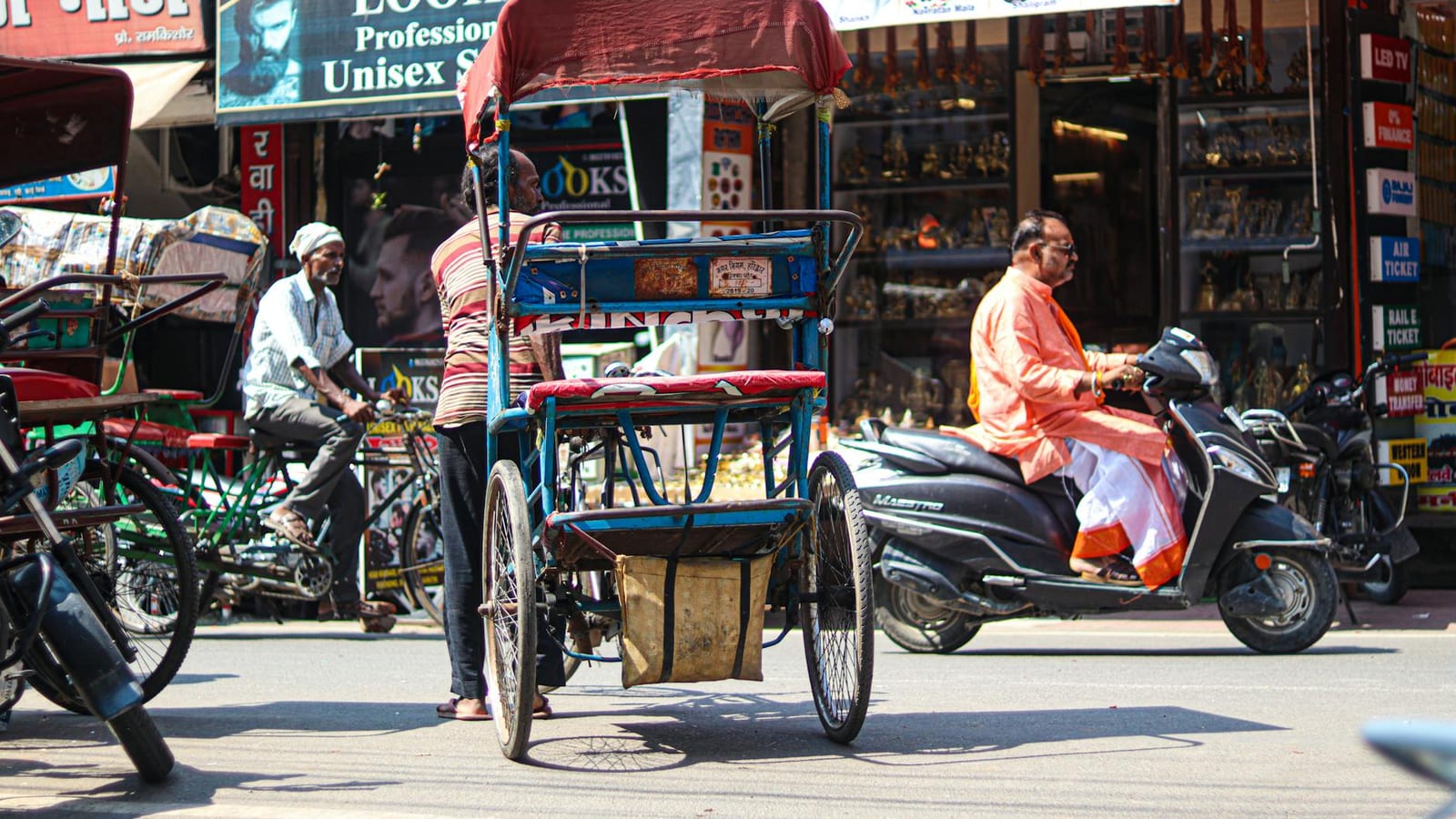
For many fans, the final is already costing more than the match ticket.
In Ahmedabad, cricket fever has now become a full business cycle. Tickets, hotel rooms, flights, cabs, food counters, parking lots, and even rain forecasts are part of the same story.
The IPL final has turned the city into a weekend economy. The excitement is real, but so is the squeeze on ordinary fans.
Ticket prices test fan patience
The sharpest pain sits at the ticket counter, or rather, outside it.
Tickets with a face value of ₹3,500 are being quoted around ₹15,000 in the resale market. Some black-market rates have reportedly touched ₹1 lakh. For premium seats, the President Gallery is said to start around ₹50,000.
That tells you two things at once. Demand is huge. The official supply is not reaching many fans in a clean, simple way.
This is where sport becomes a consumer-protection issue. A fan buying from an unknown seller faces two risks. The first is paying five or ten times the real price. The second is worse, reaching the gate with a fake or duplicate ticket.
For students, young professionals, and families, this changes the meaning of a final. It is no longer just a cricket outing. It becomes a serious spending decision.
The enthusiasm around Gujarat Titans and Royal Challengers Bengaluru fans shows how deep IPL loyalty now runs. But loyalty also creates the perfect market for touts.
A genuine fan often decides emotionally. A tout counts on exactly that.
Hotels and flights cash in
The hotel and travel trade is having its big weekend.
Night-stay rates in parts of Ahmedabad have reportedly climbed as high as ₹36,000. Flight fares into the city have also jumped, with some routes touching about ₹35,000.
The local hotel industry may earn around ₹200 crore from the rush, based on estimates around the final. That is not a small bump. For hotels, restaurants, cab operators and event vendors, this is peak-season money compressed into a few days.
But the same spike hurts visitors who planned late. A family travelling from another city may find that the room costs more than the tickets. A small business owner bringing clients to the match may suddenly see budgets go haywire.
This is the hidden economy of big sport. The stadium hosts the match, but the city sells the weekend.
There is nothing wrong with higher demand pushing up prices. That is how markets work. The problem begins when information becomes uneven. Some people know where to book early. Others enter late and pay heavily.
For Ahmedabad, this is also a branding moment. A smooth final helps the city sell itself as a global sports venue. A messy one leaves fans remembering queues, fake tickets and inflated bills.
Transport plans face match pressure
City transport will carry much of the burden.
Authorities have prepared AMTS and BRTS arrangements for match-day movement. Timetables and parking maps have been shared to guide fans towards the stadium area.
This matters more than it sounds. A cricket final can choke roads for hours. Private cars, app cabs, two-wheelers, buses and pedestrians all fight for the same space.
Good public transport can save a match-day crowd from chaos. It can also save fans from surge pricing after the match, when cab fares usually rise sharply.
Parking will be another pressure point. Many fans prefer driving close to the venue, then walking the last stretch. But if parking guidance is unclear, small roads near the stadium can lock up quickly.
For local residents, this is not only a sports event. It is a traffic day, a noise day, and sometimes a business day. Tea stalls, snack sellers and small eateries benefit. People living near crowded routes often pay with time and inconvenience.
That is why transport planning cannot remain a map on a screen. It has to work at ground level, with clear signboards, police presence and steady bus frequency.
The real test comes after the final ball. A stadium can fill gradually. It empties almost at once.
Rain adds one more worry
The weather has joined the guest list.
Rain has already hit parts of Gujarat, including Amirgadh in Banaskantha, with strong winds reported. Forecasts have pointed to thunder and rain in parts of the state till June 4.
For a cricket final, rain does more than delay play. It affects travel, parking, crowd movement and small businesses outside the venue.
A food vendor preparing extra stock can lose money if crowds scatter early. A fan with a late-night flight may miss the window if roads flood or traffic slows. Families with children face the toughest evening if rain and crowd pressure arrive together.
The organisers will have match protocols. Cricket has reserve rules, covers and drainage systems. But ordinary fans experience rain differently. They experience it through wet seats, long waits, blocked roads and confused exits.
This is why the civic side matters as much as the sporting side. Weather alerts, transport updates and parking changes need to reach fans quickly. A final in a large city cannot depend on last-minute guesswork.
Ahmedabad has hosted major cricket nights before. The city knows the rhythm. Still, each final brings its own crowd, its own pressure, and its own weak spots.
The business story around this IPL final is clear. Cricket is no longer only about what happens between two teams. It pulls money through hotels, airlines, buses, food stalls, police deployment and online ticket markets.
For fans, the lesson is simpler. Buy only through trusted channels, plan transport early, and keep the weather in mind. The match may last a few hours, but the cost of a bad decision can linger much longer.