Isha Ambani Met Gala Jewellery Moment Draws Buzz
Isha Ambani's Met Gala clip drew attention after she highlighted Nita Ambani's diamond and emerald jewellery in a Mother's Day moment.
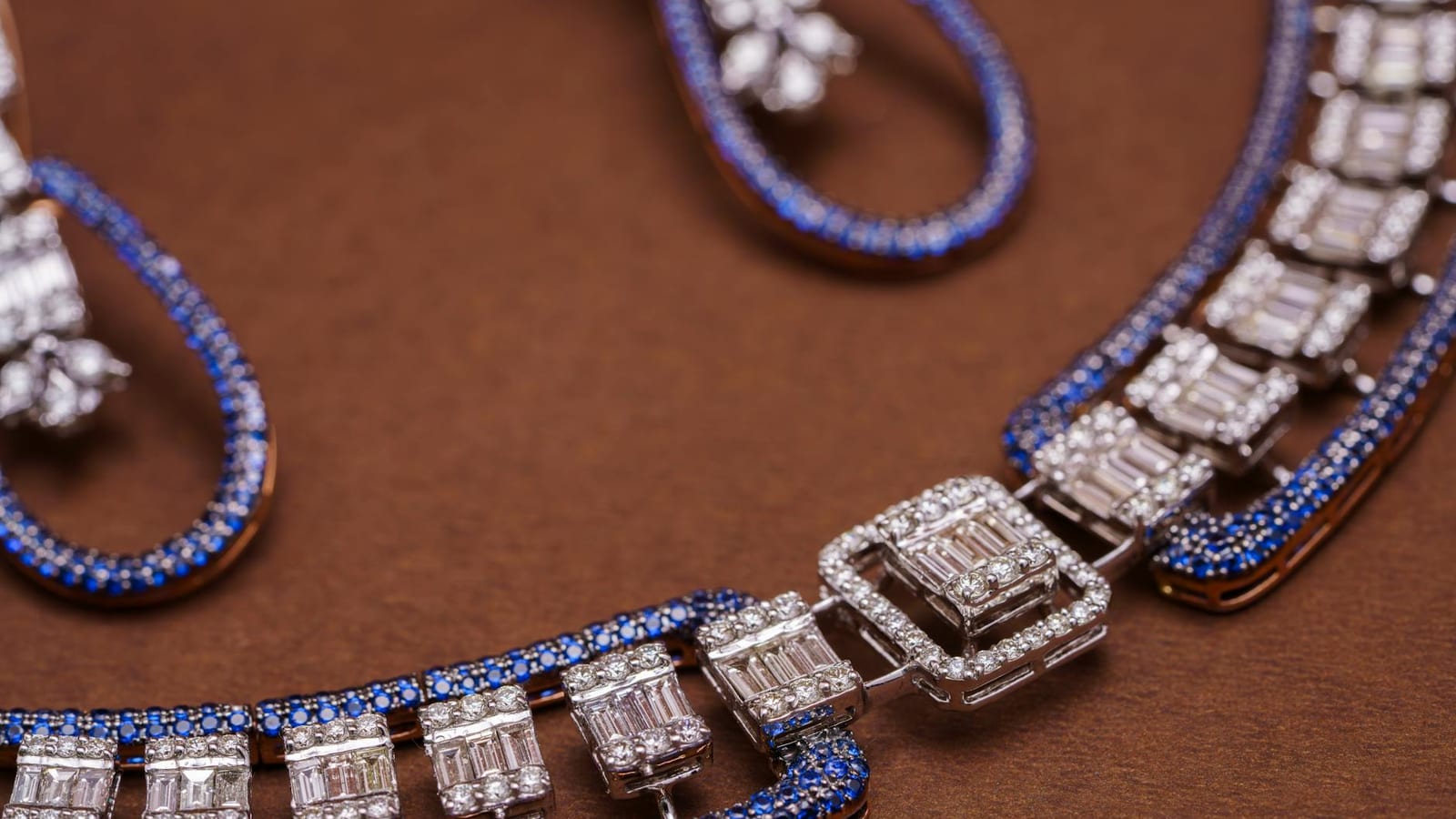
A diamond necklace can buy attention. A daughter pointing at it and saying “mom” can buy affection.
That is what happened with Isha Ambani at the Met Gala. In a short behind-the-scenes video, she pointed to her jewellery and made it clear who owned the real spotlight, her mother.
The clip landed just as Mother’s Day filled Indian social feeds with old photos, long captions, and soft-focus nostalgia. But this one had something else. It had luxury, yes. It also had a very familiar Indian feeling.
Why this clip travelled fast
Isha Ambani wore diamond and emerald jewellery that belonged to Nita Ambani. That detail changed how people saw the moment.
Without it, the clip was another high-fashion image from a global red carpet. With it, it became a daughter borrowing from her mother’s cupboard.
That cupboard, of course, is not an ordinary cupboard. The jewellery is far beyond what most people will ever touch. But the emotion was not distant at all.
Across India, many women know that feeling. A mother’s sari, wedding bangles, old handbag, or careful box of jewellery carries memory. It is not just an accessory. It is family history with a clasp.
That is why the video found a wider life. Viewers did not need to know the price of the stones. They understood the pride.
Luxury found its Indian language
The Met Gala often runs on spectacle. Designers, stylists, celebrities, and luxury houses all fight for one thing, attention.
This year, one of the most shared moments came from something less polished. Isha Ambani’s quick “mom, mom, mom” reaction felt unscripted. That made it valuable.
In luxury, brands often spend heavily to create emotion. They build campaigns around heritage, family, craft, and legacy. Here, the emotion arrived without a campaign line.
For Indian audiences, that matters. We do not always read jewellery as fashion alone. We read it through weddings, festivals, inheritance, and family status.
A necklace can mean investment. A sari can mean sacrifice. A pair of earrings can mean a mother saved for years.
That is why the clip worked across class lines, even with its billionaire setting. The item was elite. The sentiment was middle-class Indian.
Creators turned memory into content
Social media creators quickly picked up the gesture. Many began pointing at their own mother’s things and repeating the same energy.
Some brought out wedding jewellery. Others wore vintage saris, bindis, handbags, oxidised earrings, and old sunglasses. A few took the comic route and claimed their mother’s “luxury collection” at home.
That collection could be a silk sari kept safely for years. It could also be a favourite recipe, a handbag, or a piece of jewellery worn only on special days.
The trend worked because it allowed people to participate without spending anything. They only needed memory, humour, and a camera.
That is a useful lesson for the business of influence. The internet no longer rewards only perfect styling. It rewards a moment that feels emotionally true.
For creators, this is gold. A trend based on family memory has low entry cost and high emotional reach. It lets people join a global fashion conversation from their own homes.
The business behind the sentiment
There is also a sharper business point here. Luxury and social media now feed each other constantly.
A red-carpet appearance is no longer just about one evening. It becomes reels, edits, memes, fashion breakdowns, and shopping inspiration.
For jewellery houses, designers, stylists, and image consultants, this kind of viral moment has huge value. It keeps a look alive long after the event ends.
But the most interesting part is that the jewellery did not trend only because it looked expensive. It trended because people attached a relationship to it.
That is the part brands cannot easily manufacture. They can buy placement. They can buy visibility. They cannot always buy warmth.
Indian consumers, especially younger ones, see through heavily polished promotion faster than before. They respond better when the story feels real.
This is why family-led luxury stories work so well here. They sit at the crossing of aspiration and intimacy.
People may not buy emeralds after watching the clip. But they may look again at their mother’s old trunk. They may see value in something already at home.
What the moment says about us
The “mom” clip also says something about changing internet culture.
For years, social media rewarded perfection. The best angle, the best light, the most expensive background. Now, users often stop for something rougher and warmer.
That does not mean glamour has lost power. It still drives attention. But glamour alone is not enough.
People want a small crack in the polished surface. They want to see a person, not just a production.
Isha Ambani’s clip gave them that. A daughter seemed delighted to say her mother was behind the jewellery. That simple pride carried the moment.
For Indian families, objects often become emotional records. Mothers pass them down quietly. Children discover their meaning much later.
That is why this trend feels bigger than one red carpet video. It reminds people that inheritance is not only about money. It is also about memory, taste, care, and identity.
The internet will move on soon, as it always does. Another video will trend, another celebrity look will be decoded. But this one has already done its work. It made people pause, smile, and look at their mother’s things with fresh eyes. In a country where families still store love in cupboards, that is no small thing.