Israel Hits Hezbollah Sites After Haifa Missile Barrage
Hezbollah fired 135 missiles towards Haifa as Israel struck more than 120 sites in Lebanon, raising fears of a wider West Asia conflict.
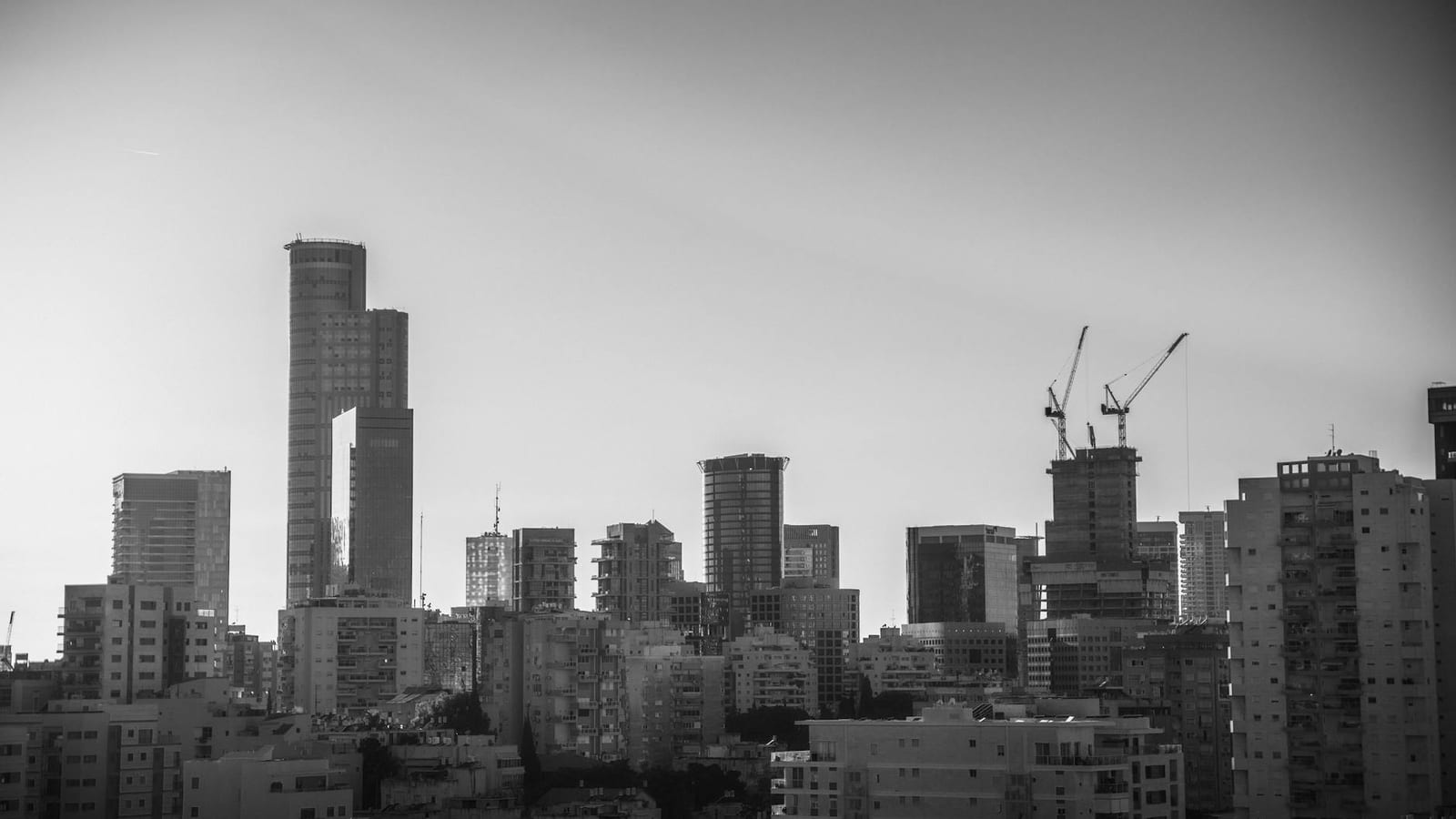
A city hears sirens first. Then parents grab children, commuters freeze, and phones start lighting up.
That was the mood around Haifa after Hezbollah fired 135 Fadi 1 missiles towards Israel, in one of its sharper attacks of the week. Israel answered within hours, hitting what its military called more than 120 Hezbollah targets in southern Lebanon in about 60 minutes.
For people far from West Asia, this can look like another grim headline. But for families living near these borders, it means one more night without sleep, one more rush to shelter, and one more fear that this war is spreading beyond control.
Haifa attack raises the stakes
Hezbollah said it targeted a military base south of Haifa, Israel’s third-largest city. The group said it used Fadi 1 missiles, a weapon it has highlighted in recent strikes.
The Israeli military said rockets were fired into Israeli areas through Monday. Reports from Israel said 10 people were injured in the Haifa region, while two others were hurt in the south.
Haifa matters because it is not a small frontier town. It is a major urban and industrial centre, with homes, ports, offices, and daily life packed close together. When missiles move towards such a city, even if aimed at military sites, civilians pay the emotional price first.
This is the hard truth of the Israel-Hezbollah exchange. Both sides speak in the language of targets and retaliation. Ordinary people hear it as sirens, broken glass, blocked roads, and anxious calls to relatives.
Israel hits 120 Hezbollah sites
Israel’s military said its air force carried out a wide operation in southern Lebanon. It said fighter jets struck more than 120 Hezbollah-linked sites within one hour.
The Israeli statement described these as “terror targets”. That phrase is central to Israel’s case. It argues that Hezbollah has built military infrastructure inside Lebanon and uses it to threaten Israeli towns and bases.
But Lebanon’s ground reality looks more complicated. Air strikes do not fall on maps. They fall near villages, buildings, roads, and families who may have no say in the fighting.
Lebanese official and military sources said Israeli strikes on Sunday night killed 11 people and injured 17. Lebanon’s health ministry said six people died and 13 were injured when a residential building was hit in Kayfoun village, in the Aley district of Mount Lebanon governorate.
Another Israeli strike killed five people and injured four others, according to Lebanese accounts. These numbers are small only on paper. Each one means a home changed forever.
Gaza war spills wider
This latest exchange sits inside a larger war that began after the October 7 attack by Hamas on southern Israel. Hamas fired thousands of rockets and gunmen crossed into Israeli territory.
Israel says around 1,200 people were killed in that assault. More than 250 people were taken hostage. The attack shocked Israel and set off the Gaza war, which has since drawn in armed groups across the region.
Hezbollah, backed by Iran, has framed its actions as support for Palestinians. Israel sees the group as a direct military threat on its northern border. That makes Lebanon a second front, even if neither side formally calls it a full war.
For India, this matters beyond foreign policy debate. West Asia hosts millions of Indian workers. It also shapes oil prices, shipping routes, and investor confidence. A larger conflict can quickly show up in fuel bills, air fares, insurance costs, and the mood of markets.
That is why these missile counts are not just military details. A strike near Haifa can worry energy traders. A wider Israeli response in Lebanon can unsettle airlines and shipping firms. A longer war can make businesses delay decisions.
Iran keeps the pressure on
Iran’s Supreme Leader Ayatollah Ali Khamenei marked the October 7 anniversary by praising the Hamas operation. In a social media post, he said the attack had pushed what he called the Zionist regime back by decades.
That message was not only for Israel. It was also meant for the region. Iran wants to show that its network of allies still has strength, from Hezbollah in Lebanon to Hamas in Gaza.
Israel, on the other hand, wants to show that every attack will carry a cost. Its strikes on Lebanon are meant to damage Hezbollah’s ability to fire again. They are also meant to send a warning to Iran-backed groups.
This is where the danger sits. Each side believes pressure will deter the other. Yet each round of pressure also creates fresh reasons for the next strike.
The October 7 anniversary makes the timing even more sensitive. Symbolic dates can harden political language. They can also push armed groups to stage attacks that carry emotional weight.
Civilians remain trapped between fronts
The most painful part of this conflict is also the most familiar. Armed groups and governments talk strategy. Civilians count losses.
In Israel, families in the north have spent months under fear of rocket fire. Some have moved away from border areas. Others live with alerts, school disruptions, and uncertainty about when normal life may return.
In Lebanon, the strain looks different but no less real. Villages in the south have faced repeated Israeli strikes. Families in affected areas must choose between staying near homes and leaving with no clear plan.
The Kayfoun strike shows how quickly war reaches beyond front lines. A residential building becomes part of the story. A village name enters the news because people died there.
That is why ceasefire talk matters, even when it sounds distant. Every extra day of fighting creates more displaced families, more damaged infrastructure, and more anger for the next generation to inherit.
India has seen enough conflict in its neighbourhood to understand this pattern. Once violence spreads across borders, leaders may find it harder to climb down than to escalate.
For now, the numbers tell a bleak story. Hezbollah says it fired 135 missiles. Israel says it hit more than 120 targets. Lebanon says civilians have died in fresh strikes.
But the real question is not who fired more or struck faster. It is whether anyone can stop this from becoming a wider regional war. For ordinary people in Haifa, southern Lebanon, Gaza, and faraway countries tied to West Asia, that answer will decide much more than the next headline.