Israel Hits Hezbollah Sites After Haifa Missile Barrage
Hezbollah fired missiles near Haifa as Israel struck targets in Lebanon, raising concerns over oil, shipping and market risks for India.
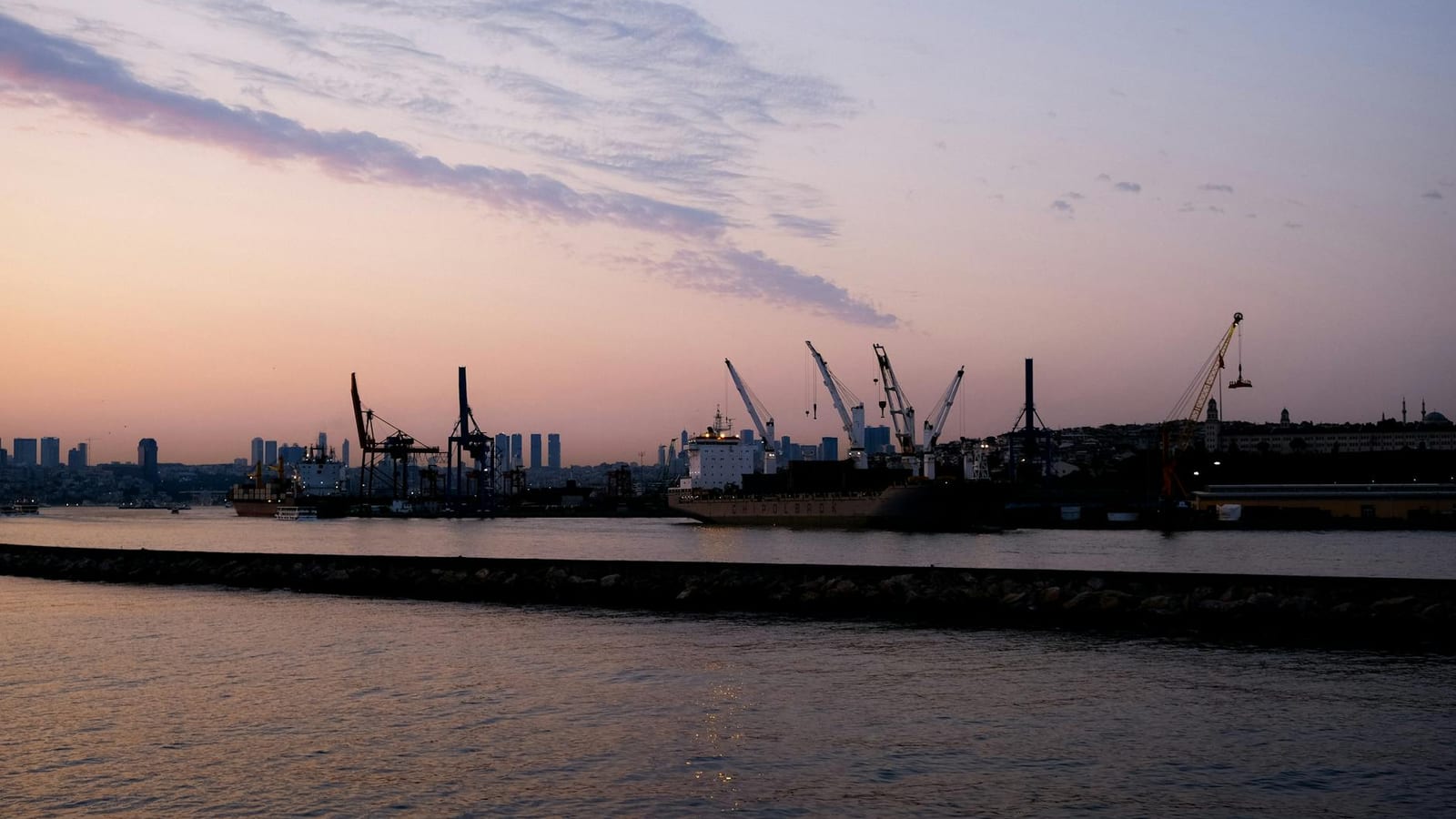
A rocket siren in Haifa is not just another war headline. It is a family rushing indoors, a worker abandoning a shift, and a port city holding its breath.
Hezbollah said it fired 135 Fadi 1 missiles towards a military base south of Haifa on Monday. Israel answered within hours, saying its air force hit more than 120 Hezbollah targets in southern Lebanon in about 60 minutes.
For India, this is not distant noise. Every flare-up in West Asia touches oil prices, shipping nerves, migrant workers, and market sentiment back home.
Haifa attack raises the stakes
Hezbollah said the missile barrage targeted an Israeli military base near Haifa, Israel’s third-largest city. The group has backed Hamas since the Gaza war began after October 7, 2023.
The Israeli military said rockets landed across Israeli territory through Monday evening. Local reports of injuries included 10 people in the Haifa region and two more in the south.
Haifa matters because it is not a remote border town. It is a major urban and commercial centre. When rockets reach such cities, the psychological pressure rises fast.
For ordinary Israelis, this means another evening shaped by sirens and shelter alerts. For businesses, it means disrupted shifts, delayed logistics, and workers who cannot focus on spreadsheets when phones keep buzzing.
Israel hits back in Lebanon
The Israeli military said its air force launched a wide operation in southern Lebanon. It claimed more than 120 Hezbollah sites were struck within an hour.
Israel described the targets as military and “terror” infrastructure. Hezbollah has not accepted that framing, and Lebanon has repeatedly accused Israel of hitting civilian areas.
Lebanese health authorities said Israeli strikes killed 11 people and injured 17 others in separate attacks. In one strike on a residential building in Kayfoun, six people died and 13 were wounded.
That is where the war leaves the map and enters homes. A building becomes a battlefield. Families become numbers in a bulletin.
Israel has already carried out large strikes in Lebanon in recent weeks. The military said earlier operations hit around 1,600 sites linked to Hezbollah.
The message from Israel is clear. It wants to weaken Hezbollah’s ability to fire across the border. The risk is also clear. Each strike can widen the war’s circle.
Iran keeps the rhetoric alive
Iran remains central to this conflict. Hezbollah is backed by Tehran, and Hamas also has Iranian support.
Iran’s Supreme Leader Ayatollah Ali Khamenei marked the first anniversary of the October 7 attack with sharp words. He called the operation a turning point for Palestinians.
That attack by Hamas killed around 1,200 people in southern Israel. More than 250 people were taken hostage, according to Israeli figures.
Since then, Gaza has faced a devastating Israeli campaign. Lebanon has increasingly been pulled into the conflict through Hezbollah’s cross-border fire.
This is the dangerous part. Every front now talks to another front. Gaza, Lebanon, Israel, Iran, and the Red Sea all sit in one tense chain.
For Indian readers, that chain matters. West Asia supplies energy, jobs, and remittance flows. It also shapes investor mood in Mumbai and fuel bills in smaller towns.
Why India should watch closely
India does not need to be a combatant to feel the cost of war. Crude oil anxiety can travel faster than missiles.
A petrol pump owner in a tier-2 city may not follow every battlefield claim. But he understands price volatility. So does a family planning a festive purchase on a tight budget.
Indian companies also watch the region closely. Shipping routes, insurance costs, and delivery timelines can shift when West Asia turns hotter.
The bigger concern is escalation. A limited exchange can be absorbed by markets. A wider Iran-Israel confrontation is a very different story.
The government in New Delhi usually walks a careful line in West Asia. It has strong ties with Israel, deep energy links with Gulf nations, and millions of Indians working across the region.
That balancing act becomes harder when missiles fly near major cities and air strikes hit residential zones. Diplomacy then has less room and more urgency.
The civilian cost keeps rising
Both sides speak in the language of military targets. Civilians hear the language of loss.
Israel says Hezbollah hides weapons and command systems among populated areas. Hezbollah says it is resisting Israeli aggression and supporting Palestinians.
Between those claims stand ordinary people. Lebanese families face air strikes. Israeli families face rocket alerts. Businesses on both sides count damage they never budgeted for.
The first anniversary of October 7 has made the symbolism sharper. But anniversaries do not protect anyone. They often harden positions.
Hezbollah’s missile fire shows it can still threaten northern and central Israel. Israel’s rapid response shows it will keep using overwhelming air power.
That cycle may continue unless diplomacy finds a serious opening. For now, the region looks stuck in a punishing rhythm.
India should watch this not only as foreign news, but as an economic warning. Wars abroad can quietly enter Indian homes through fuel, prices, jobs, and uncertainty. The next few weeks will show whether this remains a harsh border conflict, or becomes another shock ordinary people everywhere are asked to absorb.