Kerala civic delays raise costs for local businesses
Broken roads, stalled works and failing utilities in Kerala are hurting traders, commuters and contractors as civic delays push up daily costs.
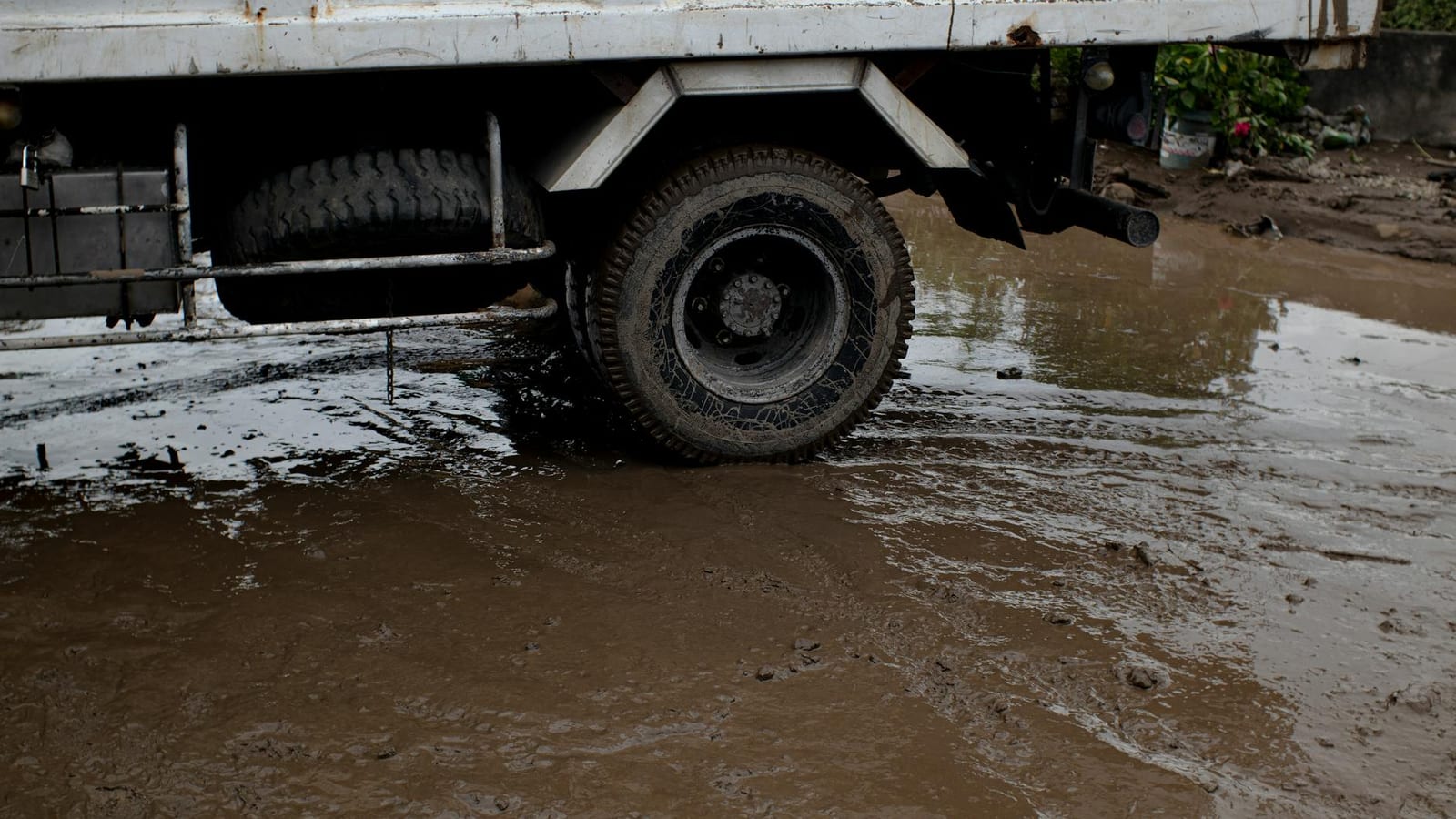
A road that collapses at the edge is not just a civic problem. It is a business problem with mud on its shoes.
Across Kerala, the latest district updates tell a familiar story. Roads are breaking, drains are choking, water supply is failing, and small public works are dragging on.
For a commuter, this means a longer ride. For a small trader, it means fewer customers. For a contractor, it means delayed payments and angry residents. For local governments, it means trust leaking away, one pothole at a time.
Kerala’s daily infrastructure tax
The loudest signal comes from the roads. In Pathanamthitta, residents are still waiting for work on the Chettiyarazhikathu Kadavu road to move beyond ceremony. In Malappuram, the Pookkarathara to Padinjattumuri road work has stopped because tar is not available.
That sounds like a small supply issue. It is not small for people who use that road daily. A bad road raises fuel costs, slows school vans, delays goods, and hurts shops along the stretch.
Kollam and Idukki report similar complaints. Road edges have caved in near hill routes. In Idukki, traders have asked a blunt question: is taking the contract enough, or should the road also be built?
That question cuts to the heart of local public works. India often celebrates the launch of a project. The harder part begins after the ribbon, when budgets, contractors, materials, and monitoring must work together.
Water and flooding hit livelihoods
Water trouble appears across districts in different forms. Kollam’s Chathannoor has seen flood-like waterlogging again, despite earlier promises. In Ernakulam, Paravur and 10 panchayats have faced drinking water shortages.
For families, this means plastic cans, tanker waits, and lost work hours. For small eateries, salons, bakeries, and clinics, water shortages quickly become business stress.
Kottayam saw waterlogging on a national highway after a water authority pipeline burst. That is the kind of failure that looks routine in a local bulletin, but costs real money on the ground.
Vehicles slow down, delivery schedules break, and shopfronts lose footfall. The bill rarely appears in government accounts, but residents pay it every day.
The monsoon only makes these cracks louder. Kerala knows rain better than most Indian states. Yet repeated waterlogging shows that drains, culverts, and maintenance plans still lag behind actual weather risk.
Agriculture feels the pressure
The rural economy is also showing strain. In Palakkad’s Shoranur block, the first-season paddy crop area is shrinking. In Ernakulam’s Chellanam, Pokkali farming may again be disrupted this season.
Pokkali is not just another crop. It is a traditional coastal farming system that survives in salty conditions. When it fails, farmers lose income, and a local food tradition weakens.
In Pathanamthitta, debris and soil from road work have been dumped into the Pamba river. That may sound like a local violation, but rivers are business assets too.
They support farming, fishing, tourism, and drinking water systems. When public works damage rivers, the cost returns through floods, pollution, and repair bills.
Wayanad has its own worry. A local leader has said the government will intervene in the public market to offer relief. That points to another pressure point: household budgets.
When roads fail and food prices rise, ordinary families get hit twice. They pay more to move, and more to eat.
Public works need stricter follow-through
The Life Mission housing programme also appears in the district updates, but not in a flattering way. In Thrissur, contractors linked to Life projects have reportedly disappeared, leaving people in distress.
One report describes a family spending nights in a cattle shed, with elephants moving outside. Even without more detail, the image is stark enough.
Housing schemes carry a special burden. A delayed road irritates people. A delayed home can break a family’s life for months, sometimes years.
This is where public spending needs sharper supervision. The issue is not only whether money was sanctioned. The issue is whether the promised work reached the last household.
Kerala’s local bodies are often praised for political awareness and public participation. But that also means citizens notice delays faster. They know when a project board appears, and when actual work does not.
There are also public safety signals. In Palakkad, a couple died after being trapped in water at an underpass. In several districts, vehicle accidents, collapsed road shoulders, and unfinished works show the same pattern.
Infrastructure failure does not always arrive as one big disaster. Often, it arrives as small daily risks that people learn to live with.
Solar push offers a cleaner signal
Amid these civic strains, Kannur has a more hopeful business story. Kannur International Airport is nearing the final stage of building a solar power plant.
For an airport, solar power is not only a green badge. It can cut electricity costs, improve energy security, and reduce pressure on the grid.
Airports use power throughout the day. Lighting, cooling, baggage systems, security equipment, and offices all add to the bill. Solar energy can make that bill more predictable.
If the project works well, it can also send a signal to other public assets. Bus depots, hospitals, markets, and government campuses have large roofs and open land.
Kerala cannot solve local infrastructure gaps with solar panels alone. But clean energy projects show what disciplined execution can do. A plan moves from paper to plant, and the public can see the result.
That is the larger lesson from these district snapshots. People do not expect magic from government or contractors. They expect roads that hold, water that reaches homes, homes that get finished, and public money that shows up as public value.
For ordinary readers, the story is simple. Local infrastructure is no longer a dull civic beat. It is where household budgets, small business survival, climate risk, and public trust now meet. The next few months will test whether Kerala can fix these basics before another season of rain turns delays into damage.