Kerala Monsoon Disruptions Strain Local Commerce
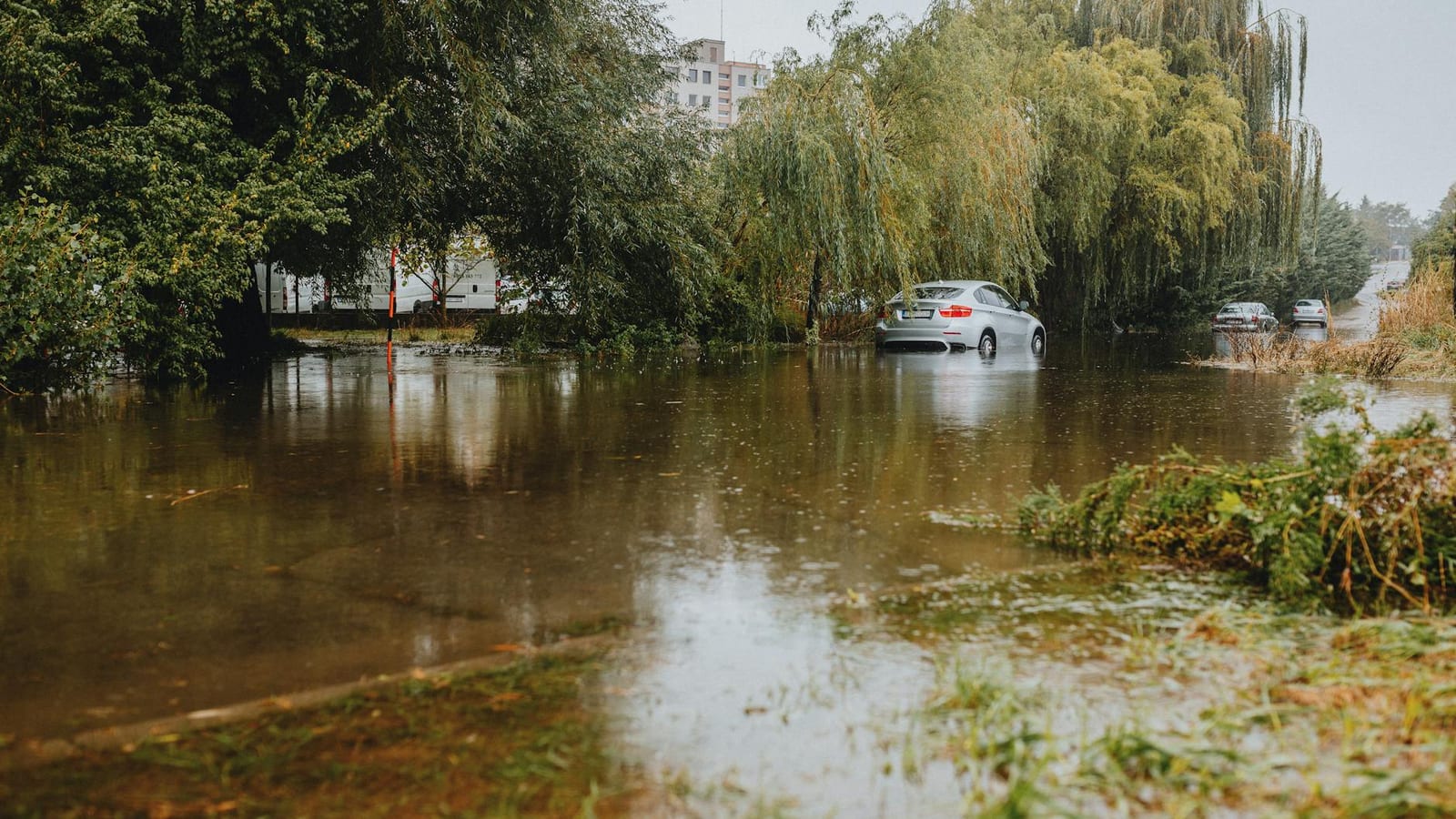
Flooded roads, damaged drains and traffic chokepoints are slowing school routes, deliveries and shop activity across several Kerala districts.
A driver losing his livelihood in one bad turn says more about Kerala’s local economy than any big balance sheet.
Across Kerala, the small stories are piling up. Roads are flooding. Vehicles are skidding. School routes look unsafe. Tourist spots are crowded, then restricted. Markets are busy, but transport is strained.
For families, this is not abstract civic news. It decides whether children reach school, workers reach shops, and small traders open on time.
Monsoon pressure hits daily commerce
Several districts are already showing the same pattern. Waterlogging, blocked drains, damaged roads, and traffic choke points are eating into ordinary business hours.
In Kollam, Pathanapuram town faced waterlogging. In Malappuram, residents sought a solution for flooding on the airport road. In Ernakulam, dirty water overflowed onto roads after drains filled up.
For a shopkeeper, one flooded stretch can mean fewer customers. For a delivery worker, it means lost trips. For a bus passenger, it means another late day at work.
The problem is simple. Kerala’s local economy runs on movement. When roads slow down, money also slows down.
This matters more just before schools reopen. Palakkad reports flagged the double pressure of school reopening and monsoon travel trouble. Parents will read that with real worry.
A school route is not just a road. It is a daily contract between families and the state.
Roads remain the weak link
Road safety concerns run through many districts. Kollam reported a car overturning on the national highway. Another accident involved an auto falling into a depth, injuring eight people.
In Idukki, a mini bus hit an autorickshaw at Jallimala. Wayanad reported a truck losing control on the Thamarassery pass, hitting a bike and a car before falling into a drain.
These are not isolated scares when seen together. They show a system under pressure from rain, traffic, weak road edges, and poor local repair.
In Kozhikode, one survivor, Vishnu, described escape from an accident as sheer luck. That line stays with you because luck should not run public safety.
Court Road remains blocked despite a court direction, local accounts said. That tells us another familiar story. Orders come fast. Ground repair comes slowly.
For drivers like Shyamraj, who was reported to be in shock after losing his livelihood, the cost is personal. A damaged vehicle can mean no income from tomorrow morning.
Tourism brings crowds and limits
Hill and waterfall destinations are also feeling the season’s pressure. Idukki reported heavy tourist arrivals at Aanachadikuthu and Thommankuthu.
At the same time, Munnar and Devikulam moved towards restrictions for visitors. That tension is familiar in tourist economies.
Local businesses want visitors. Homestays, tea shops, jeep drivers, guides, and small restaurants depend on them. But the hills cannot absorb unlimited traffic.
When controls arrive suddenly, small operators feel the pinch first. A large hotel can manage cancellations better than a roadside food stall.
The state needs clearer visitor management before peak crowding begins. Last-minute curbs protect safety, but they also unsettle local income.
Kerala has sold itself well as a travel destination. Now it must manage the boring part better, roads, parking, drains, crowd flow, and emergency access.
That is where tourist confidence is won or lost.
Public services face visible strain
Kozhikode reports also pointed to crowding and packed trains. Another item described the condition of a KSRTC depot, a reminder that public transport stress is not hidden.
A tired depot, crowded trains, and risky roads together create a daily squeeze. The commuter pays with time first, then money.
In Kannur, work under the Jal Jeevan Mission stopped after soil slipped near a dam site. The programme aims to improve drinking water access, but execution depends on stable local works.
When such projects pause, households wait longer. Contractors, workers, and suppliers also face uncertainty.
Public works are often discussed in crores. On the ground, they become wages, pipe deliveries, transport bills, and household routines.
There were also reports of drains needing covers on MC Road and calls to restore water flow in local streams. These sound small until rain arrives.
Then the missing cover, clogged canal, or blocked culvert becomes the day’s main economic event.
Local markets still keep moving
Even amid civic strain, local commerce continues. Palakkad’s Vaniyamkulam goat market saw festival-linked trading activity ahead of Bakrid.
Such markets show the other side of Kerala’s economy. It is not only IT parks, ports, remittances, or tourism. It is also animal trade, transport agents, feed sellers, food vendors, and small cash deals.
A busy livestock market supports many people for a few crucial days. But it also depends on roads, police control, parking space, and basic sanitation.
Malappuram’s Tirur traffic issue, with reports of too few police for regulation, fits into this wider picture. Traffic is not just inconvenience during market hours. It decides how much trade gets done.
Residents in Ernakulam protested civic issues. Thrissur reports raised concerns about school safety and canal conditions. These are not separate complaints.
They are different faces of the same demand: make daily life predictable.
For ordinary readers, the lesson is clear. Kerala’s next growth story will not come only from big announcements. It will come from fixing the road outside the school, clearing the drain near the market, and making sure a driver’s income does not vanish because a basic system failed. That is where the economy truly meets the citizen.