Kerala road delays raise costs for commuters, traders
Civic works delays across Kerala are turning damaged roads, water supply gaps and stalled repairs into daily costs for commuters and small businesses.
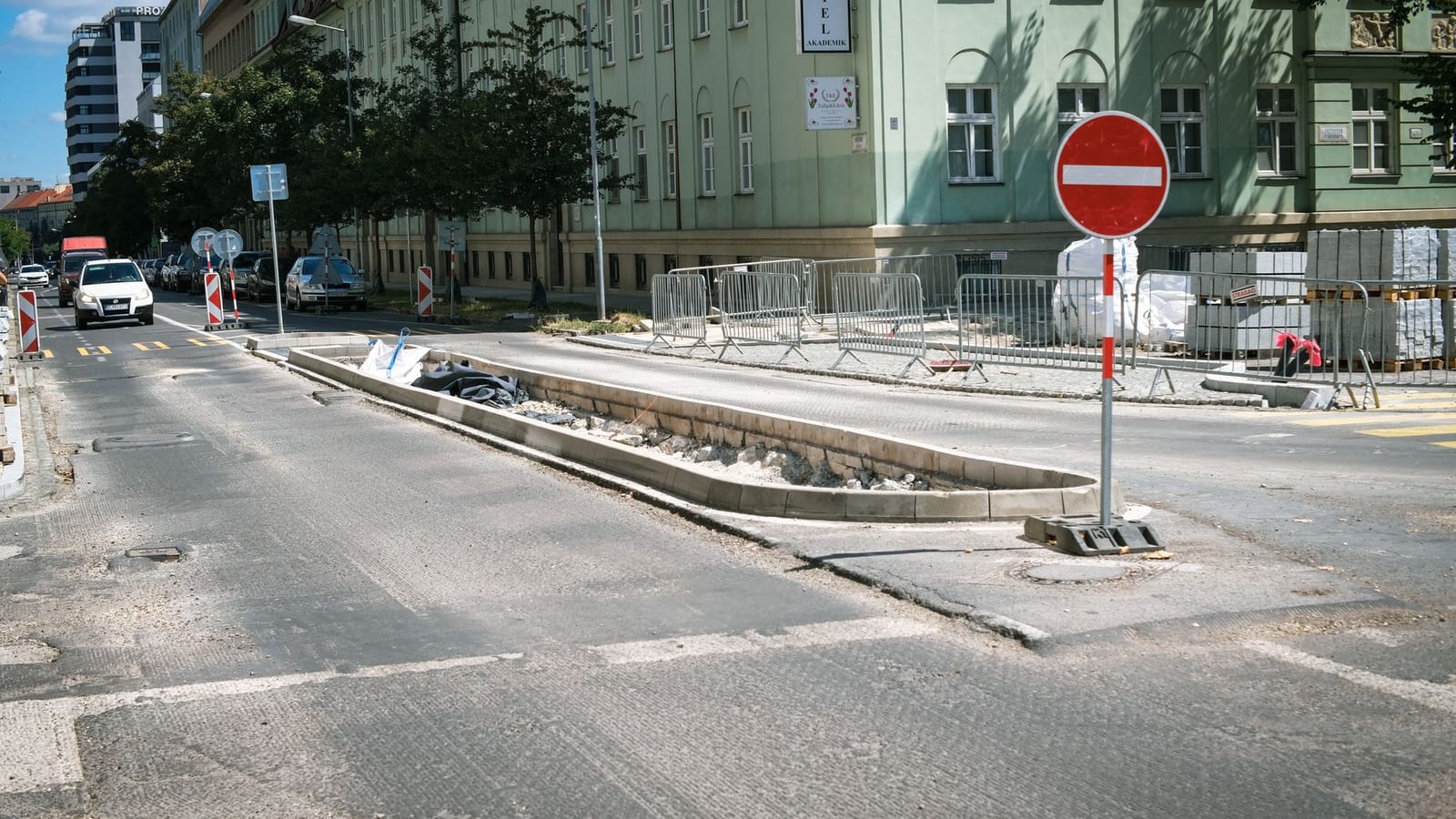
A broken road is never just a broken road. In Kerala this week, it is a missed wage, a delayed school run, a shop opening late, and sometimes, a family riding into danger.
Across districts, the same story keeps repeating in different accents. Roads cave in. Water collects. Drinking water stops. Public works drag on. Farmers wait. Contractors vanish. And ordinary people pay first, long before any file moves.
Local failures become daily costs
From Kollam to Wayanad, local reports point to a familiar civic headache. Roads under repair have become accident traps. In some places, road shoulders have collapsed. In others, construction waste and mud have entered rivers.
For a commuter, this means fear on a two-wheeler after dark. For a small trader, it means fewer customers. For a bus operator, it means slower trips and higher repair bills.
In Pathanamthitta, residents have flagged unfinished road work and dangerous stretches on key routes. The concern is not cosmetic. A bad road changes how people travel, where they shop, and how confidently businesses move goods.
Malappuram has seen road work stop because tar was reportedly unavailable. That sounds like a supply issue. On the ground, it means a half-finished road sits open for weeks, testing tyres, tempers, and local patience.
Wayanad has its own version of the same pain. A damaged road there is not just a civic defect. In a hill district, road quality decides how fast farm produce, patients, tourists, and students can move.
This is where local infrastructure becomes business news. The cost does not appear neatly in a government balance sheet. It shows up in wasted fuel, broken suspensions, delayed deliveries, and lost work hours.
Water trouble hits homes and shops
Water has become another running thread. In Kollam, waterlogging returned despite earlier promises. In Kottayam, a water authority pipe burst and left a national highway stretch flooded.
Ernakulam has seen drinking water disruption in Paravur and nearby panchayats. For households, that means buckets, tankers, and rearranged mornings. For eateries, salons, small workshops, and clinics, it can hit daily income.
Flood-like waterlogging also carries a hidden economic cost. Shops lose footfall. Vehicles avoid certain stretches. Daily wage workers spend more time reaching work than earning money.
The state has lived through enough floods to know that drainage cannot remain an afterthought. A blocked culvert or broken pipe looks small until rain turns it into a neighbourhood crisis.
People often treat civic failures as seasonal complaints. But for local businesses, even two days of disruption matter. A small shop does not have the cushion of a listed company. Cash flow can break quickly.
There is also a public health layer. Stagnant water raises the risk of disease. Once illness spreads, families spend more, workers miss shifts, and schools lose attendance.
Housing promises face a trust test
In Thrissur, reports around LIFE Mission housing contractors have raised a sharper question. What happens when a welfare promise reaches a family, but the house does not?
The complaint is simple and painful. Contractors allegedly left work incomplete. Some families still wait for a safe roof. One report pointed to people forced into unsafe shelter while elephants moved outside.
Housing schemes carry emotional weight because they promise dignity. A house is not only brick, cement, and paint. It is security during rain, privacy for women, and stability for children.
When a contractor disappears or work stalls, the beneficiary does not argue in policy language. The family just keeps living in uncertainty.
This is also a warning for welfare design. A sanction letter is not the end of delivery. The real test starts when money, materials, contractors, and monitoring meet at the site.
Kerala often takes pride in its social indicators. That pride brings a higher duty. If housing work fails at the final step, the poorest families bear the risk, not the officials who designed the scheme.
For small contractors too, payment delays and material costs can create stress. But the state must separate genuine execution problems from abandonment. Families cannot become collateral damage in that dispute.
Farming and tourism feel the strain
In Palakkad, first-crop paddy cultivation in the Shoranur block is reportedly declining. That is not just a farm story. It is a warning from one of Kerala’s important food belts.
When paddy area falls, farmers usually respond to cost, water, labour, or price signals. Each acre left uncultivated tells us something about whether farming still feels viable.
A state that depends heavily on food from outside cannot ignore such signals. Kerala’s households already feel price shocks quickly. Local production may not solve everything, but it gives some cushion.
Tourism also appears in the week’s local map. Waterfalls in Kollam drew visitors, while some tourism spots in Idukki sought attention and access. These are small stories, but they matter.
A tourist site needs roads, safety, toilets, waste management, and local transport. Without these basics, footfall becomes chaos instead of income.
For a tea shop, homestay, taxi driver, or guide, tourism is not an abstract sector. It is the difference between a good season and another month of borrowing.
There are bright spots too. Kannur International Airport is nearing the final stage of work on a solar power plant, according to local updates. If completed well, it can cut energy costs and make operations cleaner.
Airports use a lot of power. Solar energy can reduce dependence on expensive grid supply during the day. Over time, that may help the airport manage operating costs better.
But one solar project cannot balance wider civic neglect. Kerala needs both, large visible upgrades and boring local maintenance. The second often matters more to daily life.
Politics adds noise, not answers
Public life remains restless too. In Thiruvananthapuram, a Kerala University senate election celebration saw clashes involving SFI and KSU workers. Elsewhere, protests surfaced over roads, local issues, and public works.
Political mobilisation can force action when systems sleep. But it can also crowd out basic questions. Who missed the deadline? Who inspected the work? Who will fix the road before another accident?
Residents do not need endless blame. They need completion dates, transparent spending, and officials who pick up the phone before a crisis.
The pattern across districts is hard to miss. Kerala’s local economy runs on fragile daily systems. Roads, water, farms, airports, markets, and housing schemes all connect.
When one link weakens, the damage spreads fast. A flooded road delays a worker. A dry tap shuts a small eatery. A stalled house traps a family in unsafe living. A broken farm cycle raises the pressure on food prices.
The next test is not whether these issues make noise for a day. The test is whether local bodies, departments, and contractors close the loop. For ordinary readers, that is the real bottom line. Good governance is not a speech. It is the road that stays open, the tap that works, and the home that finally gets built.