Kerala Road Delays Raise Costs for Small Businesses
Poor coordination between Kerala agencies is leaving roads dug up, drains unfinished and shops facing higher fuel, repair and access costs.
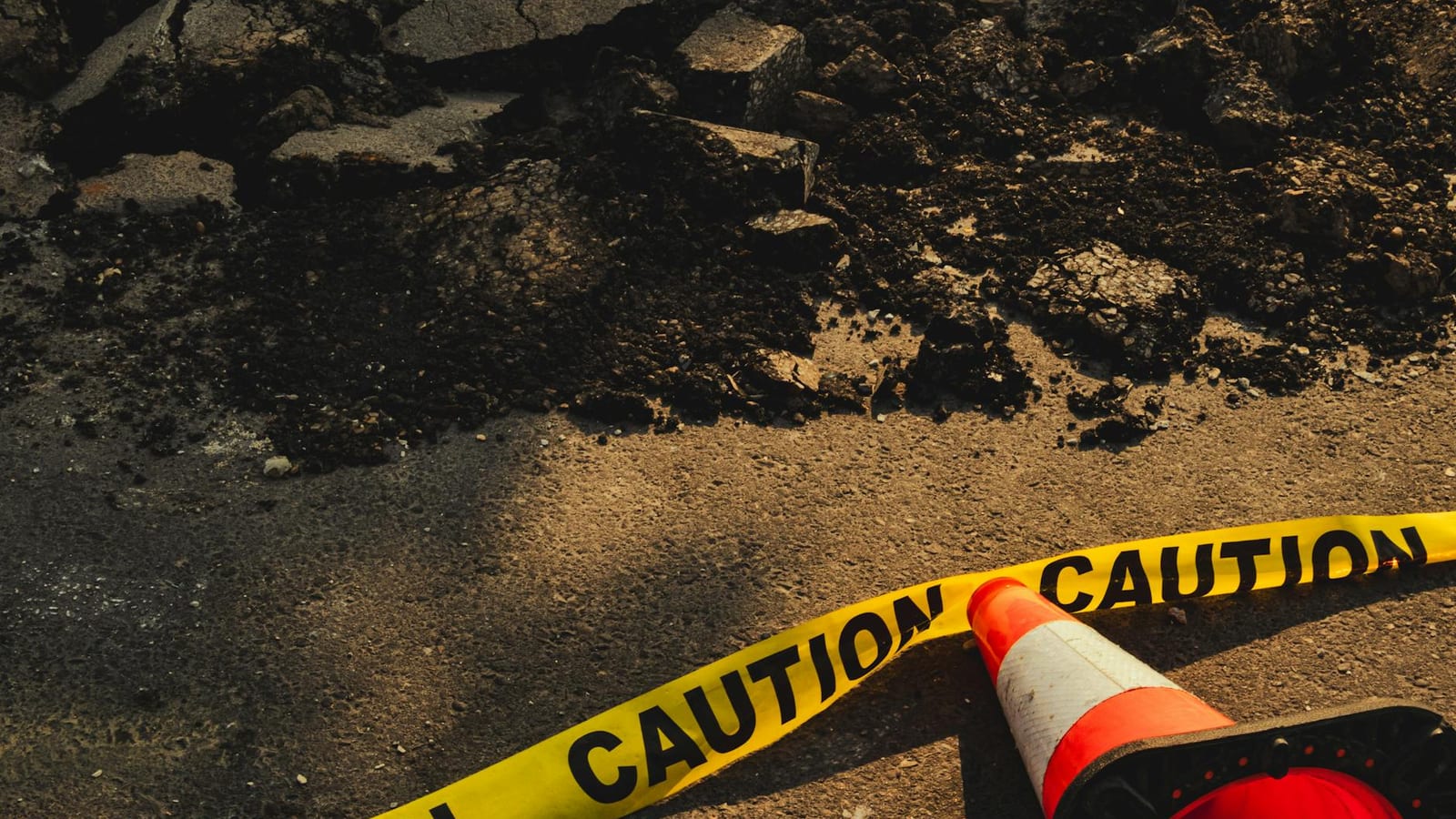
A broken road is never just a broken road in Kerala. It is a late bus, a damaged scooter, a missed hospital visit, and a shopkeeper watching customers stay away.
Across the state, one pattern keeps showing up. Roads are being dug, drains are unfinished, bridges are delayed, and public works are moving slower than daily life.
For families and small businesses, this is not abstract civic trouble. It is the cost of weak coordination, paid in fuel, time, repairs, and worry.
Roads are becoming business risks
In Thiruvananthapuram, the Kerala Water Authority cut open a road to lay pipes, before the PWD stepped in and stopped the work. That one incident says plenty about a wider problem.
Kerala needs better water lines. It also needs roads that survive beyond one season. But when departments move without clean coordination, citizens get the worst of both.
A road is repaired. Then another agency cuts it. Then the patchwork begins. After one rain, the patch sinks. Two-wheelers slow down. Buses swerve. Small shops lose walk-in customers.
This is not only a civic issue. It is an economic one. Every bad road quietly adds a tax on ordinary life.
A delivery worker spends more time on each route. A bus operator burns more fuel. A mechanic may get more work, but everyone else pays more.
In Kollam, road renovation has left travellers struggling on the Kollamala, Thenguvila stretch. In Pathanamthitta, potholes on the Sreemoolam market and Pannivizha road have made travel difficult.
Markets suffer first when roads fail. A small trader depends on predictable movement. If buyers avoid a road for a week, daily sales can drop sharply.
Drains and culverts show neglect
The problem does not stop at tar and potholes. In many towns, drains and culverts are now the real stress points.
On MC Road in Pathanamthitta, an open drain has become a hazard for vehicles. That is the kind of danger people notice only after an accident.
In Kozhikode, work on a drain at Panthirikkara remains incomplete. In Kottayam, drains had to be opened and cleaned to deal with waterlogging.
These may sound like small local issues. They are not. Drainage decides whether a road lasts.
If water has nowhere to go, even a newly laid road starts breaking. The top layer cracks. The base loosens. Soon, the same road returns to the repair list.
For local businesses, waterlogging means fewer customers and more damage. A grocery shop near a flooded junction loses footfall. A pharmacy may stay open, but patients struggle to reach it.
The monsoon makes these gaps harsher. Kerala does not get mild rain. It gets rain that tests every weak joint in the system.
That is why drain work cannot remain an afterthought. It should come before road surfacing, not after people complain.
Bridges and buses face delays
Kerala’s mobility problem also shows up in bridge and bus projects. These are the links that hold towns together.
In Thrissur, bearing replacement work on the old Chalakudy bridge was expected to be completed. Bearings are the support parts that help a bridge absorb weight and movement.
When such work drags, traffic slows and diversions grow. Commuters lose time, and transport businesses lose money.
In Guruvayur, construction of the terminal bus stand has stalled. That matters because Guruvayur is not just another town.
It is a major pilgrimage and tourism centre. A bus stand there affects pilgrims, hotel workers, vendors, taxi drivers, and small eateries.
When a terminal project gets stuck, the cost spreads through the local economy. Buses crowd other roads. Passengers wait longer. Shops lose planned demand.
In Malappuram, people have sought a high-level inquiry after the Tuvvur overbridge collapse. That raises a more serious concern.
A bridge failure is not only about delay. It brings questions of design, monitoring, materials, and accountability.
Public infrastructure cannot run on announcements alone. The public pays twice when projects fail. First through taxes, then through daily disruption.
Tourism hopes need basic services
Several local updates also point to Kerala’s tourism puzzle. The state has natural beauty, strong brands, and loyal visitors. Yet basic civic gaps keep hurting the experience.
In Kollam, tourism hopes are rising around Sasthamkotta Lake and nearby areas. That is sensible. A well-managed lake economy can help boat operators, food stalls, guides, homestays, and transport workers.
But tourism needs more than a pretty view. It needs clean access roads, waste control, working signals, toilets, and safe parking.
In Ernakulam, a traffic signal has become a roadside display rather than a working tool. In Kozhikode, toilet waste was dumped again in a residential area.
Such incidents damage trust. A tourist may not remember which department failed. But they remember the smell, the delay, and the mess.
Local residents face it more deeply. For them, civic failure is not a one-day inconvenience. It becomes part of routine.
Kerala often sells itself as efficient, literate, and community-minded. That image has real value. But it must rest on visible public service.
Tourism growth cannot float above broken drains and risky roads. The visitor economy works only when residents also get dignity.
Coordination is the missing link
The common thread here is not lack of projects. Kerala has plenty of works underway.
Roads are being renovated. Culverts are being rebuilt. Drains are being cleaned. Bridges are being repaired. Bus stands are being planned.
The issue is sequencing. One department digs, another stops it. One project starts before a related piece is ready. A drain remains unfinished after road work begins.
Citizens then hear familiar words: renovation, inspection, maintenance, inquiry. These words matter only if they lead to dates, budgets, and responsibility.
For a young professional paying a home loan, bad roads mean longer commutes. For a parent, they mean unsafe school travel. For a small business owner, they mean fewer customers.
Kerala’s economy runs on movement. Workers move daily between towns. Migrants move to work sites. Students travel long distances. Goods move through narrow roads.
When that movement slows, the state feels it quickly. The cost may not appear in one balance sheet, but it enters every household budget.
The solution does not need grand language. Departments must share work calendars. Roads should not be cut soon after repair. Drains must come before surface work. Contractors need closer checks.
Most of all, local bodies must treat maintenance as real economic policy. A clean drain and a safe road may not sound dramatic. But for ordinary people, that is where development either arrives or fails.