Kitchen Waste Machine Turns Composting Into Business
A young entrepreneur has built a crore-scale venture around a small machine that converts kitchen waste into fertiliser for homes and firms.
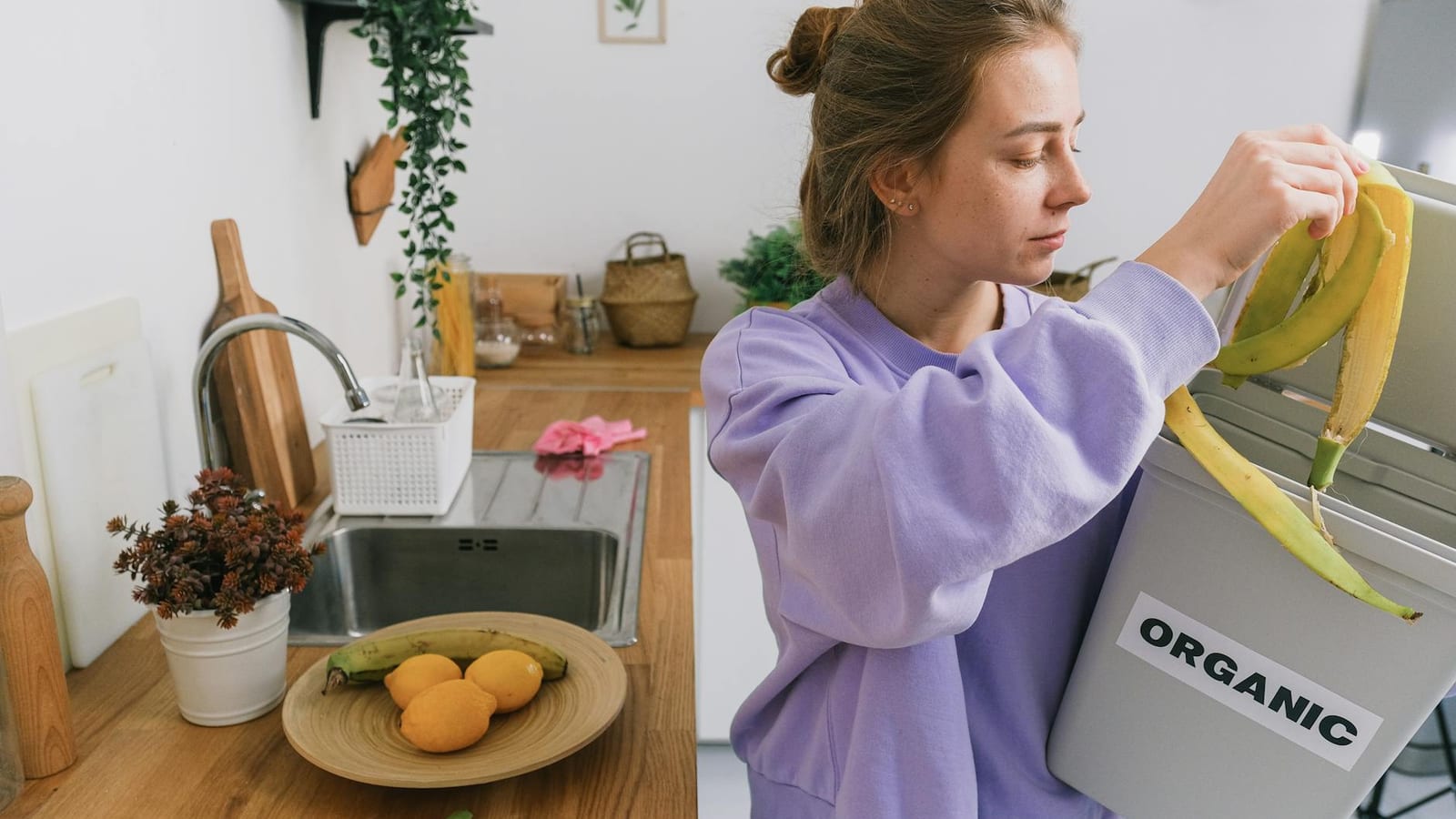
A small machine that turns kitchen waste into fertiliser sounds almost too modest for a crore-scale business story.
But that is exactly why this story matters. It sits at the point where household waste, small-town ambition, and India’s messy urban future meet.
A young entrepreneur, who once struggled to pay his fees, has built a company around a simple idea: make composting easy enough for homes and small businesses. His product works like a “gharghanti” for fertiliser, taking everyday organic waste and turning it into something useful.
Waste becomes a business idea
Every Indian home knows the problem. Vegetable peels, leftover food, tea leaves, fruit waste, and garden scraps pile up daily.
Most of it travels from the kitchen bin to a municipal dump. There, it mixes with plastic, metal, and other waste. Once that happens, even useful organic waste becomes a civic headache.
That is where this fertiliser-making machine finds its opening. It treats waste before it leaves the home or workplace.
For a family, that means less smell and fewer overflowing bins. For a housing society, it means lower dependence on daily garbage collection. For a small food business, it can turn waste into compost for gardens or nearby farms.
The idea also fits a wider shift in India. Cities can no longer treat waste as something that simply disappears after collection. Landfills are full, local bodies are stretched, and residents now ask harder questions.
From fee struggle to crore turnover
The most striking part of the story is not the machine alone. It is the journey behind it.
The entrepreneur once did not have enough money to pay his fees. Today, he runs a company with turnover in crores. That jump tells us something about modern Indian enterprise.
Not every business begins with a fancy pitch deck or a metro-city office. Many begin with one stubborn problem that refuses to go away.
This one began with waste, a problem that sits in every kitchen but rarely gets respect as a business opportunity.
That is the clever part. The entrepreneur did not chase glamour. He looked at a dull, daily inconvenience and built around it.
In business, that often works better than chasing fashionable sectors. If a product saves time, reduces effort, or solves an unpleasant task, people listen.
The challenge, of course, is price. A composting machine must make financial sense for buyers. Households may like the idea, but societies, hotels, and canteens usually decide faster because their waste volumes are higher.
That is where scale comes in. A product like this does not need every home immediately. It can grow through apartments, hostels, small restaurants, temples, schools, and farms.
Composting gets a market push
The larger tailwind comes from policy and public pressure.
The Swachh Bharat Mission pushed waste segregation into public conversation. Many cities now tell residents to separate wet and dry waste, even if execution remains patchy.
Wet waste is the real opportunity here. It is heavy, smelly, and expensive to transport. If treated locally, it reduces the burden on municipal systems.
That is why composting has become more than a green hobby. It is now a practical urban service.
A kirana store owner may not talk about climate goals. A housing secretary may not use sustainability jargon. But both understand one thing clearly: waste costs money when nobody manages it well.
For farmers and gardeners, compost has another appeal. Chemical fertiliser prices and soil health concerns have made organic inputs more attractive. Compost cannot replace every nutrient requirement, but it can improve soil quality.
That gives the machine a second market. It is not only about waste disposal. It also creates an output people can use.
Still, the business must clear trust barriers. Buyers will ask basic questions. Does the machine smell? How much electricity does it use? How long does composting take? Who services it if it stops working?
In India, after-sales support can decide whether a good product survives. A machine that sits idle after one breakdown becomes an expensive lesson.
The hard part is behaviour
The toughest part of composting is not technology. It is human behaviour.
People must separate wet waste properly. They must avoid mixing plastic, wrappers, glass, and metal. Someone must operate the machine and maintain it.
This is where many green businesses struggle. The product may work, but the user habit may fail.
That is why the entrepreneur’s success matters. Crore-level turnover suggests he has found buyers who see enough value to pay. It also suggests the product speaks to a real pain point.
For apartment complexes, the benefit is visible. Waste rooms smell less. Garden teams get compost. Residents feel they are doing something useful without changing their lives completely.
For small food businesses, the equation is sharper. Daily wet waste can attract pests and complaints. If a machine reduces that burden, it becomes a business tool, not a moral lecture.
But there is one more question. Who gets left out?
Many waste solutions target middle-class homes and formal businesses. Informal waste workers often remain invisible in these models. They handle the dirtiest part of urban life, yet earn the least security.
A serious waste business must think about them too. If decentralised composting grows, cities should ensure waste workers move into better-paid sorting, servicing, collection, and compost distribution roles.
Small machines, bigger signals
This story also says something about Indian manufacturing.
A home-grown machine for composting may not sound like a headline-grabbing tech product. But India needs thousands of such practical devices.
Not everything has to be an app. Some of the most useful innovation will sit in backyards, basements, kitchens, farms, and small workshops.
That is especially true for climate-linked businesses. The big speeches happen at summits. The real work often happens in ordinary places, where someone asks a plain question: can this daily problem be solved cheaper and better?
The fertiliser “gharghanti” belongs to that second category.
For investors, the lesson is simple. Waste is not just a civic issue. It is a supply chain, a cost centre, and a raw material source.
For customers, the question is even simpler. If a machine can reduce daily mess and produce something useful, they will consider it.
For entrepreneurs, the story offers a sharper point. Hardship is not a business model, but it can build appetite. Someone who has worried about fees often understands the value of each rupee better than a polished founder chasing valuation slides.
The road ahead will depend on price, reliability, service, and trust. If the company gets those right, composting could move from a good intention to a regular household practice.
And that would be the real win. Not just one entrepreneur’s crore-turnover journey, but a small shift in how Indian families and businesses look at waste. Less as garbage, more as a resource waiting for a little discipline and a practical machine.