Lebanon Ground War Raises Israel Risks and Oil Fears
Israel’s ground operation in southern Lebanon faces Hezbollah resistance, raising risks for oil markets, shipping routes and Indian household costs.
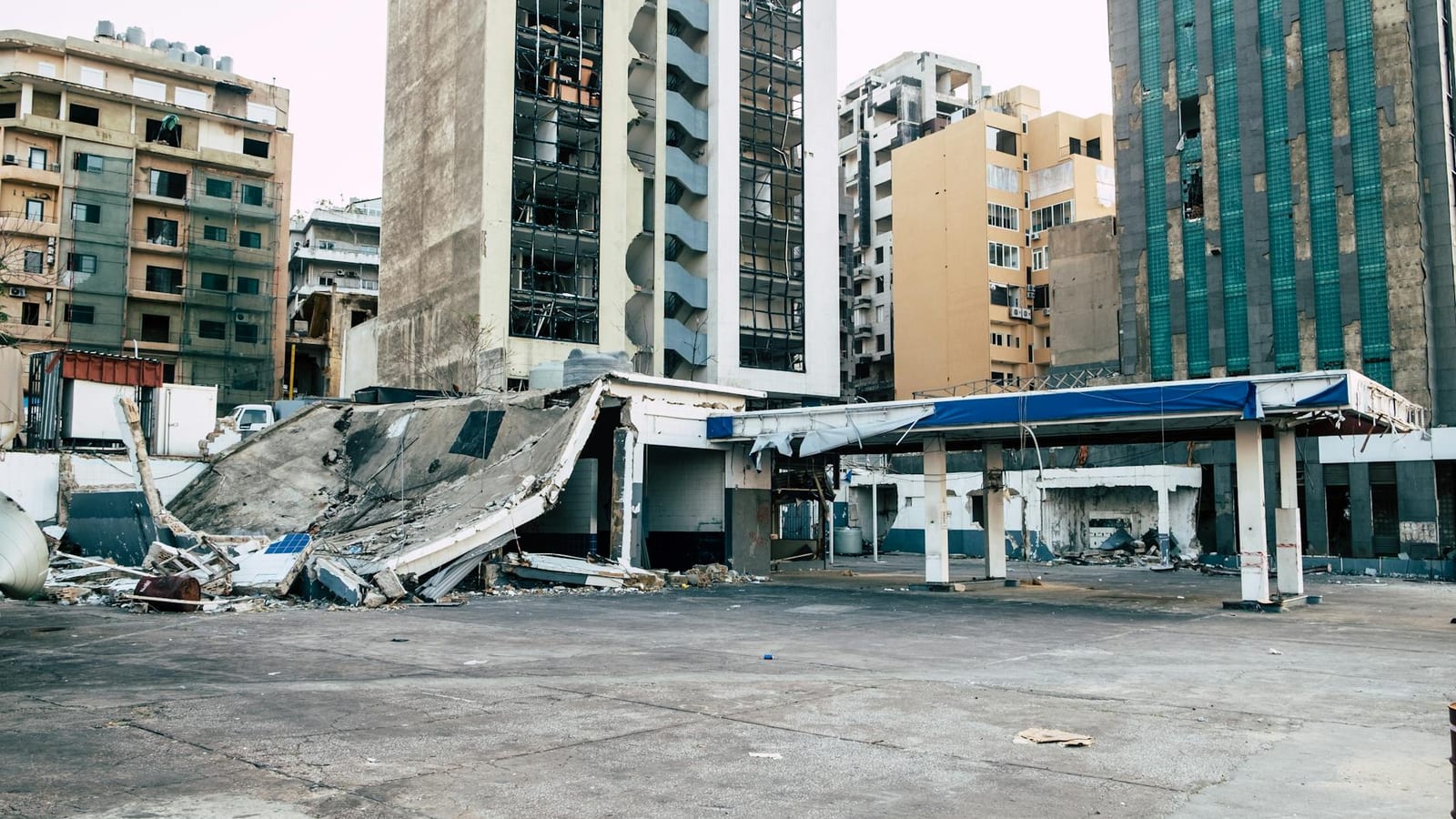
Eight soldiers dead in one day is not a “limited” war for their families.
That is the hard truth behind Israel’s latest ground push into southern Lebanon. Israel has described the operation as limited, local and targeted. Hezbollah has claimed it pushed Israeli troops back near Odaisseh and Yaroun.
For Indians watching from far away, this may look like another Middle East flare-up. It is not that simple. When Lebanon burns, oil markets twitch, shipping routes worry, and Indian households eventually feel some heat.
Why this ground war is harder
Air strikes look clean on television. Ground wars are different.
Once soldiers cross into villages, orchards and hill roads, the map stops helping. The other side knows the land better. It knows where to hide weapons, where to wait, and when to strike.
That is exactly why Hezbollah remains such a difficult opponent for Israel. It is not a regular army. It fights like a disciplined militia with missiles, rockets and anti-tank weapons.
Israel’s military strength is far greater on paper. But in southern Lebanon, paper strength meets stone houses, narrow roads and ambush points.
Hezbollah said its fighters forced Israeli soldiers to retreat in recent clashes. Israel confirmed eight soldiers died in fighting in southern Lebanon. Hezbollah also claimed it destroyed three Merkava tanks.
Those claims show why this operation can stretch beyond its original label. A “limited” operation can become a long fight once casualties rise.
The shadow of 2006
The memory of 2006 still hangs over this border.
That war began on 12 July 2006, after Hezbollah captured two Israeli soldiers and killed others near the border. Israel responded with major air and ground attacks.
The war lasted 34 days. Hezbollah fired rockets into northern Israel. Israel tried to crush Hezbollah’s missile strength and push it away from the border.
The cost was heavy. More than 1,000 Lebanese civilians died. Israel lost 121 soldiers and 40 civilians. More than 20 Israeli tanks were destroyed.
The fighting ended on 14 August 2006 after United Nations intervention. But it did not end with a clean victory for Israel.
Israel later set up the Winograd Commission to examine what went wrong. The commission said Israel entered a long war without achieving a clear military result.
That finding matters today. It shows that even a powerful military can struggle when the political goal is unclear.
A ground campaign needs more than tanks and air cover. It needs a clear end point. Otherwise, soldiers keep fighting village by village, while civilians pay the biggest price.
Hezbollah is not weaker now
Israel says it has learned from 2006. That is likely true.
Its intelligence network is sharper. Its commanders know Hezbollah’s ambush tactics better. Its planners also understand the danger of being dragged into a long war.
But Hezbollah has also changed.
It has built a larger weapons stockpile over the years. Its arsenal includes rockets, missiles and anti-tank weapons. Some of its rockets can reach deep inside Israel.
Israel’s Iron Dome defence system can intercept many incoming rockets. But no shield works perfectly when rockets arrive in large numbers.
Hezbollah also receives open backing from Iran. That support gives it money, weapons and political confidence.
This is the part that makes the conflict larger than a border clash. Israel is not only fighting a militia on Lebanese soil. It is also dealing with Iran’s regional network.
For Lebanon’s ordinary people, this is a grim bargain. Their villages become the battlefield. Their homes, shops and farms sit between two armed forces.
For Israelis in the north, life also narrows fast. Families move away from border towns. Businesses shut early. Schools and workplaces run around sirens and warnings.
Why India should watch closely
India has no direct role in this war. Yet Indians cannot ignore it.
The Middle East sits close to India’s economic nerves. Millions of Indians work across the Gulf. Indian refiners depend heavily on imported crude. Markets react quickly when conflict threatens the region.
If the fighting widens, oil prices can rise. That does not just affect petrol pumps. It can raise transport costs, airline costs and the price of many everyday goods.
A kirana store owner in a tier-2 city may never discuss Hezbollah. But if diesel gets costlier, the delivery chain changes. That change can quietly reach biscuit packets, vegetables and school bus fees.
There is also the shipping worry. Any wider regional conflict makes insurers nervous. When insurance and freight costs rise, trade becomes more expensive.
Indian exporters and importers already work on thin margins. A small rise in freight can hurt small manufacturers more than big firms.
Markets also dislike uncertainty. Investors can handle bad news better than unclear news. A short operation has one meaning. A spreading regional war has another.
That is why this conflict matters beyond diplomacy. It can reach bank accounts, company earnings and household budgets.
The real test for Israel
Israel wants to weaken Hezbollah near its northern border. That is the stated security aim.
But the real test is whether it can do that without getting trapped in Lebanon again. History offers a warning here.
In 2006, Israel had military power, but the war ended without a clear win. Hezbollah survived. Its political and military role inside Lebanon continued.
This time, Israel says the operation is narrower. Yet troop and tank deployments near the border suggest serious preparation.
The danger lies in escalation. If Israeli casualties rise, domestic pressure can grow. If Hezbollah fires deeper into Israel, Israel may widen its attacks. If Iran becomes more active, the region can slide further.
None of this needs to happen in one dramatic moment. Wars often expand through small decisions. One strike invites another. One mistake hardens positions. One village battle becomes a national demand for revenge.
That is why words like “limited” deserve scrutiny. They sound tidy in official statements. They rarely stay tidy on the ground.
For ordinary people, the question is painfully simple. Can this be contained before it becomes another long war?
Lebanon has already seen too many armies march through its south. Israel has already learned how costly that ground can be. Hezbollah has already shown it can survive pressure and turn terrain into an advantage.
For India, the lesson is to watch the border and the oil screen together. A war in southern Lebanon may feel distant tonight. But if it widens, its aftershocks will travel quickly, through fuel prices, freight bills, markets and the lives of Indians who work across West Asia.