Maharashtra clears Rs 6,162 crore Nashik Kumbh works
Maharashtra approved Rs 6,162 crore for Nashik Kumbh works as rail food price rollback and transfers highlight pressure on civic services.
For a daily commuter, a pilgrim, or a small food seller at a railway station, government decisions rarely look like files moving across desks. They look like a dearer vada pav, a delayed bus, a cleaner train toilet, or a safer road before a massive religious gathering.
That is why this week’s Maharashtra updates matter beyond routine administration. They show a state trying to manage pressure on transport, public works, health systems, and civic services, all at once.
The numbers are not small. The Maharashtra government has cleared ₹6,162 crore worth of works for the Nashik Kumbh Mela. Public Works has ordered large transfers. Central Railway has rolled back a station food price rise after passenger anger.
Nashik Kumbh gets big funding
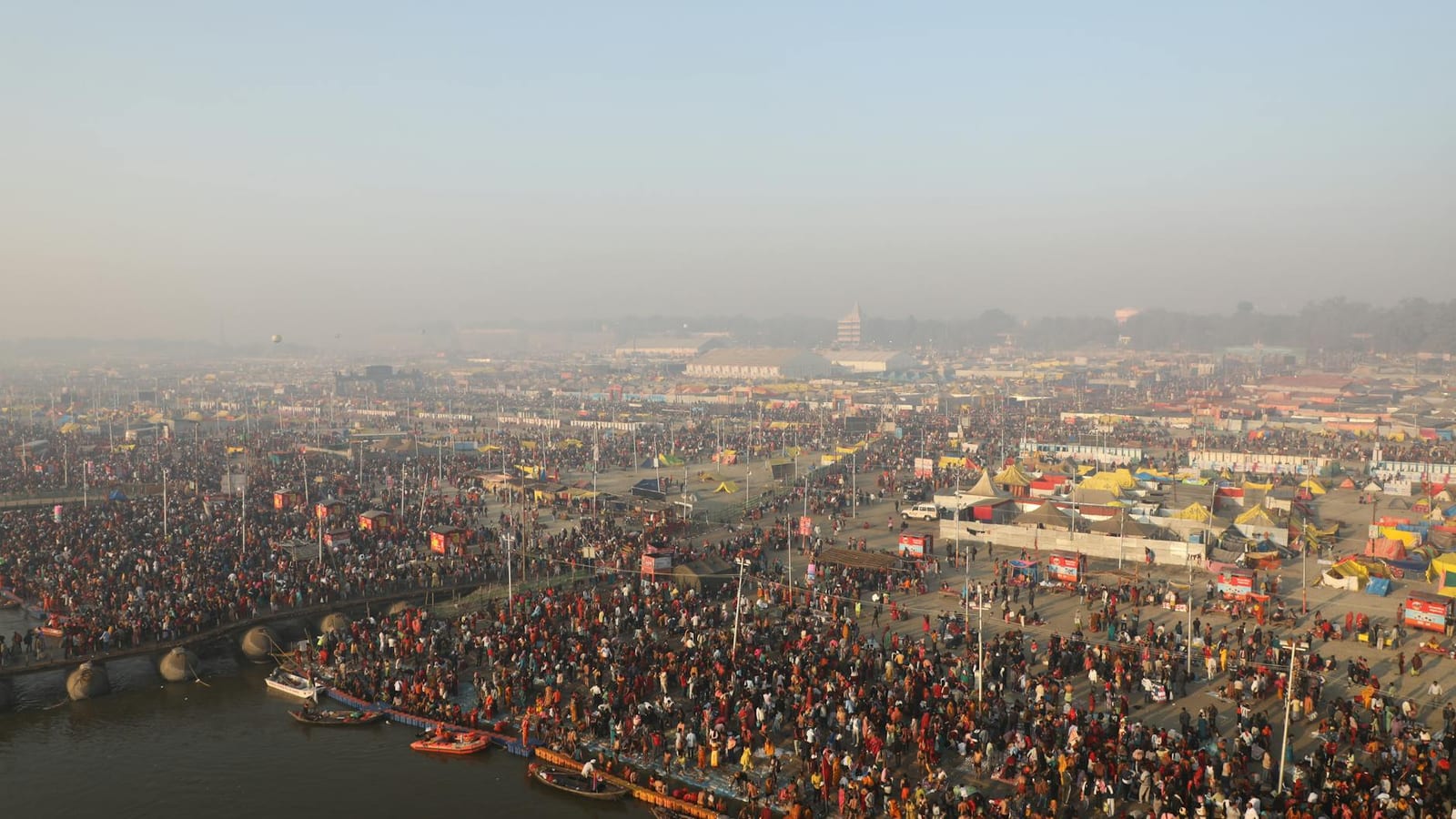
The state has approved 68 development works worth ₹6,162 crore for the Nashik Kumbh Mela. That figure is not just a budget line. It is a test of whether Maharashtra can prepare for one of India’s biggest human gatherings without the usual scramble.
The works will cover safety, water supply, health systems, and other civic needs. These are the boring parts of public spending, until they fail. Then they become the whole story.
For pilgrims, water and sanitation matter as much as roads. For small vendors and transport operators, better crowd management can decide whether the season brings profit or chaos.
The challenge is timing. Big religious events bring a short, sharp surge in demand. Roads, drains, hospitals, and local staff face pressure that ordinary city planning rarely accounts for.
The state has said departments will speed up these works. That sounds simple, but execution will decide everything. A ₹6,162 crore approval means little if tenders, permissions, and contractors move slowly.
Public works faces a reshuffle
The Public Works Department has ordered transfers of 32 executive engineers and 198 sub-divisional engineers. This is the first such large move after the state extended the transfer deadline for government staff by one month.
Transfers inside infrastructure departments often sound like internal housekeeping. They are not. Engineers decide how road, bridge, and building projects move on the ground.
A new engineer can speed up a delayed project. A sudden transfer can also slow work if files, local details, and contractor issues remain unresolved.
For contractors, suppliers, and local businesses, these changes matter. Payment approvals, measurement checks, and site decisions often pass through these officers. A reshuffle can reset that chain.
The public rarely sees this machinery. People only see a pothole left unrepaired, a school building stuck halfway, or a bridge opening months late.
That is why the state must treat these transfers as more than postings. It must ensure handovers happen cleanly, especially where projects have public safety risks.
Railway food prices meet anger
Central Railway withdrew a circular that had raised prices of food items at railway stations, including the humble vada pav. The rollback came after strong passenger opposition.
This may look like a small story. It is not. Station food is part of Mumbai’s working-class economy. Millions use trains not for comfort, but because they have no cheaper choice.
A small price rise can bite hard when people buy tea, snacks, and bottled water every day. For a family travelling together, even ₹5 or ₹10 extra per item adds up quickly.
There is another side too. Food vendors at stations face rising costs. Oil, gas, wages, rent, and logistics have all become costlier over time.
That is the squeeze. Passengers want affordability. Vendors need viable prices. Railways must regulate both without making travel feel harsher for ordinary people.
The quick rollback shows public pressure still works in mass transport. It also shows authorities need clearer consultation before touching everyday prices.
Cleaner trains, slower monsoon runs
Central Railway has also opened an advanced bio-toilet bacteria testing laboratory at Wadibunder in Mumbai. The aim is cleaner and less foul-smelling train journeys.
Bio-toilets use bacteria to break down waste. In plain English, the system depends on tiny living organisms doing the dirty work. If they fail, the smell returns.
A testing lab helps railways check whether the bacteria are working properly. For passengers, the result should be cleaner toilets and better hygiene.
This is not glamorous infrastructure, but it is essential. Anyone who has taken a long train journey knows toilet quality can decide whether travel feels bearable.
The Konkan Railway will also shift to its monsoon timetable from June 15. Train speeds may be reduced to 40 kmph during heavy rain, with satellite systems kept ready.
That means longer journeys, but safer ones. The Konkan route passes through difficult terrain, where rain can trigger risks quickly. Speed cuts are inconvenient, but accidents are worse.
For office-goers, students, and tourists, planning will matter. For local businesses along the coast, delayed trains can affect deliveries and footfall.
MSRTC looks for lost money
The MSRTC has appointed “guardian officers” for loss-making divisions. The decision followed a meeting chaired by transport minister Pratap Sarnaik.
The plan focuses on fuel savings, stopping revenue leakage, and tracking ticket theft. Put simply, the state bus corporation wants to plug holes before asking for bigger rescue measures.
MSRTC carries people who may not have easy access to trains, private buses, or app cabs. In many towns and villages, the red bus is still the basic link to work, college, hospitals, and markets.
When MSRTC loses money, the pain does not stay inside balance sheets. Routes get reduced. Maintenance suffers. Passengers wait longer. Staff face uncertainty.
Fuel is a major cost for any bus operator. Even a small saving per trip can matter across thousands of daily journeys.
Revenue leakage is the harder problem. It includes ticketing gaps, weak monitoring, and systems that allow money to escape. Fixing it needs discipline, not just announcements.
The appointment of guardian officers suggests closer supervision. The real question is whether they get enough authority to change habits inside loss-making divisions.
A state transport system cannot run only on emotion. It needs clean accounts, fair fares, reliable buses, and honest collection. Without that, passengers and taxpayers both pay.
Maharashtra’s latest decisions show a familiar Indian truth. Public services improve only when money, management, and accountability move together. For ordinary readers, the test is simple. Will the bus arrive, will the food stay affordable, will the train be cleaner, and will big spending reach the ground before crowds arrive?