Maharashtra Traders Warn Mandi Fee May Lift Food Prices
Maharashtra traders say a proposed market committee user charge could raise foodgrain costs, warning of statewide protests if the fee is imposed.
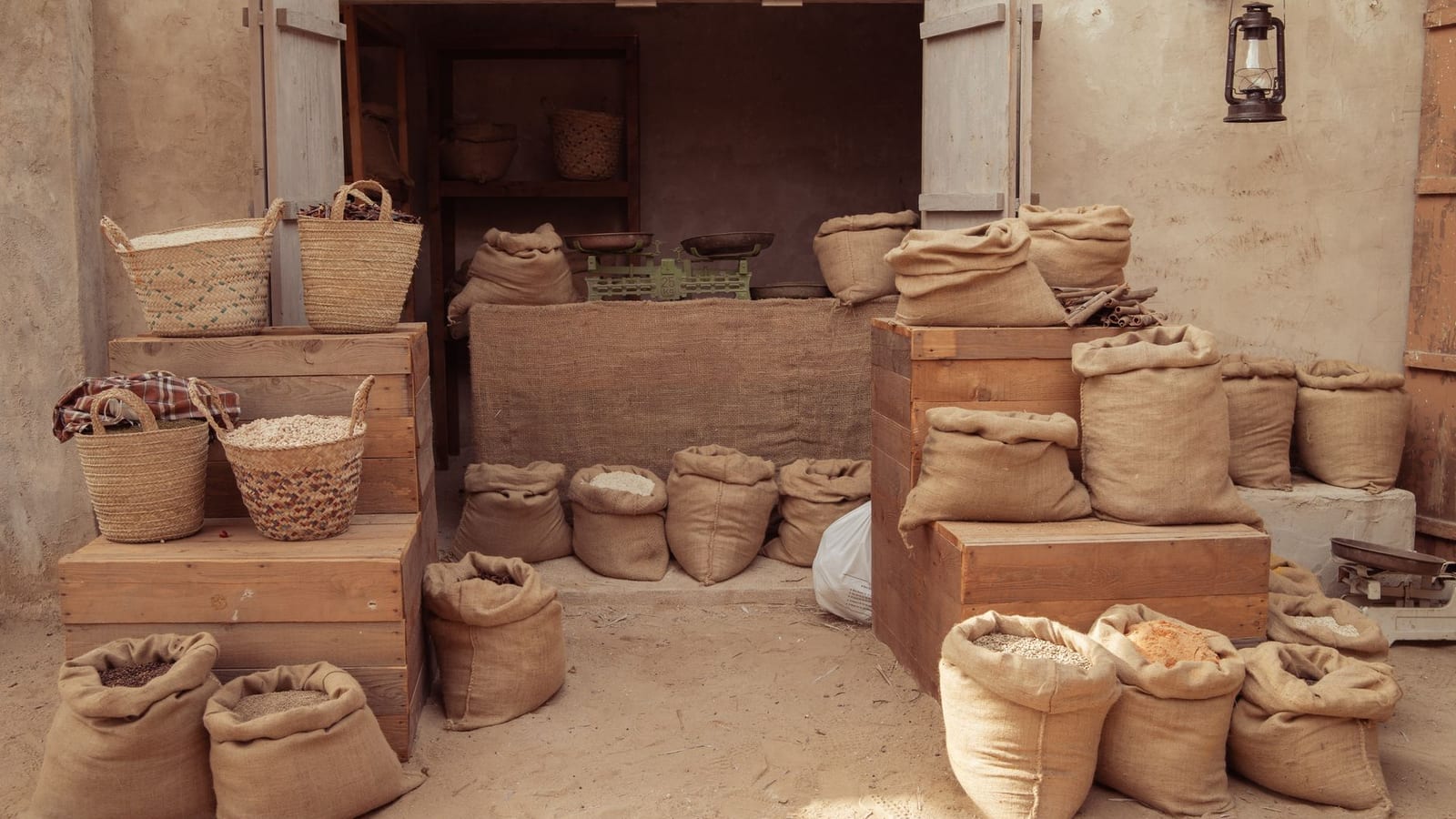
A small charge at a mandi gate can travel surprisingly far. By evening, it can sit inside the price of dal, rice, wheat, and onions on a family’s kitchen shelf.
That is why traders in Maharashtra are pushing back against the proposed “user charge” in market committees. A meeting of the State Traders Action Committee in Pune warned that the move could raise foodgrain prices if the state goes ahead.
For shoppers, this may sound like one more fight between traders and officials. It is not that simple. In food markets, every extra charge usually finds a way to the final bill.
Traders oppose market user charge
The dispute centres on a proposed user charge in market committees. These committees manage regulated markets where farmers, traders, commission agents, transporters, and buyers do daily business.
In simple words, a user charge is a fee for using market facilities. It can cover roads, sheds, weighing systems, storage spaces, sanitation, and other services.
Traders say this charge will add another cost to the trade chain. They have warned of protests across the state if the decision is not rolled back.
The State Traders Action Committee discussed the matter in Pune. The group signalled a more aggressive stand and warned that essential food items may become costlier.
That warning matters because foodgrain trade runs on thin margins. A trader may handle large volumes, but the margin per kilogram can be small.
When costs rise, traders rarely absorb the whole hit. Some part moves to wholesalers, retailers, and finally households.
Why mandi costs matter
A mandi is not just a place where bags of grain change hands. It is a price-setting machine for the wider economy.
A farmer brings produce to the market. A trader buys it. A transporter moves it. A wholesaler sorts and stores it. A retailer sells it in smaller lots.
At each stage, someone pays for labour, loading, weighing, transport, storage, finance, and spoilage. Even a modest fee can add pressure.
This is why traders react sharply to charges inside market committees. They know the final price does not rise in one clean jump. It creeps up through the chain.
For an urban family, that creep shows up quietly. A monthly grocery bill rises by ₹100 here, ₹200 there. No single item looks dramatic, but the basket feels heavier.
For a kirana store owner in a tier-2 city, the problem is different. Customers resist price hikes, but suppliers demand higher payment. The shopkeeper gets squeezed in between.
Foodgrain inflation also has a mood of its own. People notice it faster than many other costs. A higher phone bill annoys a household. Higher atta and dal prices change daily behaviour.
The politics of food prices
The timing is sensitive. Maharashtra has already seen anger over farm prices, especially onions. Political leaders have been warning of protests over low prices for growers.
That creates a tricky balance. Farmers want better returns. Traders want fewer charges. Consumers want stable prices. The government has to answer all three.
Market committees sit at the centre of this tension. They were created to bring order to farm trade and protect farmers from unfair practices. Over time, they also became powerful local institutions.
Charges in these markets can fund basic services. Better roads and cleaner yards help farmers and traders. Proper weighing systems reduce disputes. Storage can cut waste.
But traders usually ask a fair question. If a new fee comes in, what exactly improves? Who collects it? Who audits it? How does the market user see the benefit?
That is the uncomfortable part of many local charges. The public hears about a fee first. The promised improvement arrives later, or arrives unevenly.
If the state wants to defend the user charge, it will need clarity. Traders will ask for the rate, the purpose, the collection method, and the accountability system.
Without that, the charge will look like one more layer in an already crowded cost structure.
Consumers may pay the bill
The traders’ warning about costlier foodgrain is not an empty slogan. It follows the basic logic of trade.
If a mandi fee raises the landed cost of grain, wholesale prices can rise. Retailers then adjust their prices. Consumers meet the increase at the counter.
This does not mean every item becomes expensive overnight. Food prices depend on harvest size, transport costs, stock levels, exports, imports, and weather.
But local charges can still matter. They become part of the price base. Once added, such costs rarely disappear quickly.
For low-income families, this is where policy meets the kitchen. A small rise in grain prices reduces money left for milk, vegetables, education, or medical needs.
For small traders, too, the pressure is real. Larger players can spread costs across bigger volumes. Smaller shops and mandi traders cannot always do that.
That is why the fight deserves more than a routine political label. It is about who carries the cost of running market infrastructure.
The state may say users must pay for better facilities. Traders may say they already pay enough through other charges. Consumers may end up paying without being in the room.
That is the weakest part of this chain. The people most affected by food inflation rarely get a direct voice in such decisions.
What the state must answer
The first question is simple. What service does the user charge buy?
If the answer is cleaner markets, better storage, working weighing systems, and safer yards, the state should publish a clear plan.
The second question is about duplication. Traders will want to know whether the new charge overlaps with existing fees.
The third question is about inflation. Has the state assessed how the charge may affect wholesale and retail prices?
The fourth question is about accountability. A fee without visible service improvement becomes a grievance factory.
Maharashtra’s food economy is too large for casual policy. The state has farmers who want fair prices, traders who move huge volumes, and consumers who watch every rupee.
A better answer may lie in phased collection, public audits, and market-wise service targets. If a market gets a charge, it should also get measurable upgrades.
The coming days will show whether the government treats this as a routine traders’ protest or a wider cost-of-living issue. For ordinary readers, the real question is not who wins the argument. It is whether the next grocery bill quietly carries the price of a decision made far from the kitchen.