Marathi Father's Day Wishes Reflect Changing Family Bonds
Marathi Father's Day wishes show how families in Maharashtra use poems and short status lines to express affection that is often left unsaid.
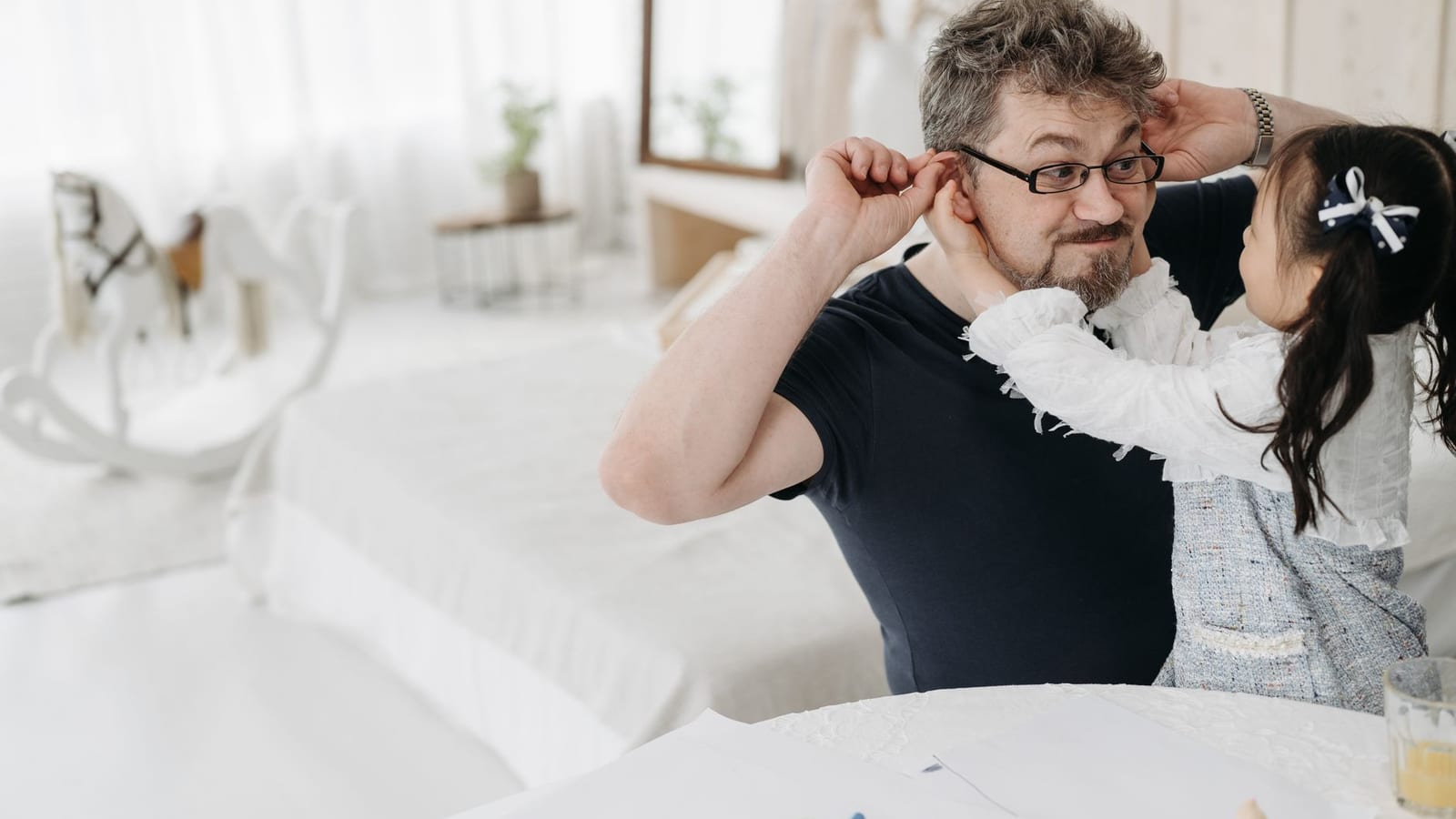
A short WhatsApp status can do what many families struggle to do at the dinner table.
That is why Father’s Day messages in Marathi still matter. Behind the forwarded poems and greeting-card lines sits a very Indian truth: many children find it easier to write love for their fathers than say it aloud.
This year’s Marathi Father’s Day lines lean into that feeling. They describe fathers as the roof over the home, the quiet worker, the strict face with a soft heart, and the man who empties his pockets so his children do not have to empty their dreams.
Marathi wishes carry old emotions
In many homes across Maharashtra, affection for fathers has never been very dramatic. Mothers often get the hugs, the phone calls, the easy words. Fathers get respect, duty, and sometimes a cup of tea placed silently beside them.
That is changing slowly. Social media has given families a new language. A son who may never say, “Baba, I love you,” can post a line saying his father is the richest man he knows, even when his pockets were often empty.
The popular Marathi lines this season follow a familiar pattern. They talk about sacrifice, protection, discipline, and silent care. The father appears not as a loud hero, but as someone who stands behind the family when things go wrong.
This is why these poems travel so well. They do not need a fancy design or polished English. They work because they sound like home.
The father as family capital
Look at the emotional economy inside these lines. The father is not described through salary, designation, or bank balance. He is measured by what he gives up.
One line says a father may keep his own pockets empty, yet never say no to his children’s wishes. That single thought explains many middle-class Indian homes better than any budget chart.
For small business owners, salaried workers, farmers, drivers, teachers, clerks, and shopkeepers, fatherhood often means delaying personal comfort. A new shirt can wait. School fees cannot. A holiday can wait. Coaching class payment cannot.
That is why Father’s Day content connects so deeply in regional languages. English greetings can sound neat. Marathi, Hindi, Tamil, Bengali, or Malayalam greetings often sound closer to the kitchen, the bus stop, the school gate, and the loan counter.
There is also a business lesson here. Regional content is not second-grade content. It is where the emotional market lives. Brands know this. Greeting-card sellers know this. Digital creators know this. Even small gift shops know that a Marathi line on a mug can sell better than a generic English quote.
Social media made emotion public
Earlier, a Father’s Day card stayed inside the home. Today, a status update turns private affection into public acknowledgement.
That shift matters. For many young people, especially in smaller cities and towns, WhatsApp and Instagram have become emotional notice boards. A Father’s Day post is not just for the father. It also tells the extended family, friends, and neighbours: this man matters to me.
The lines doing the rounds this season are built for that format. They are short, direct, and easy to share. Some compare fathers to a strong roof. Others call them the family’s backbone during storms. A few thank them for holding a child’s hand on difficult paths.
None of this is new emotion. But the packaging is new. The old respect for “Baba” has entered the status-update economy.
For businesses, this is not a tiny corner. Festival and occasion-led content drives sales across printing shops, bakeries, online gifting platforms, stationery stores, and local creators. A Father’s Day frame, customised photo, cake topper, or coffee mug often starts with one line that feels personal.
That line is the product.
Why simple lines work best
The strongest Marathi Father’s Day messages avoid heavy language. They say what people already feel but rarely express.
A father may look strict from the outside, one poem suggests, but inside he carries softness and care. Another idea compares him to support during a storm. These images work because Indian families recognise them instantly.
A father may not always explain his worry. He may not ask many emotional questions. He may show love through school admissions, hospital visits, ration bills, train tickets, repaired bicycles, and late-night pickups.
This is where such poems earn their power. They turn routine labour into visible love.
There is a reason the “richest father” idea keeps returning in different forms. It flips the usual idea of wealth. The father’s richness comes not from money, but from his refusal to let his children feel poor in ambition.
That line will hit especially hard in homes where parents built everything carefully, one bill at a time. Young professionals paying EMIs today understand it better than they did as children.
Regional language is the real connector
Indian consumer markets often talk in English, but Indian emotion rarely does.
A Father’s Day wish in Marathi reaches a father who may not care for polished slogans. It sounds like the language he scolded in, laughed in, negotiated in, and worried in. That gives it a warmth English cannot always match.
This is why regional language content keeps growing across digital platforms. It is not only about reach. It is about trust. People respond faster when the message sounds like their own life.
For media platforms, creators, and local brands, the lesson is plain. Festivals and family days cannot be handled with one national template. A Marathi reader wants Marathi emotion. A Gujarati reader wants Gujarati warmth. A Tamil reader wants Tamil rhythm.
The more personal the occasion, the more local the language must feel.
Father’s Day may still look like a small calendar event compared with Diwali or Raksha Bandhan. But for many families, it offers a rare excuse to say something overdue. The best messages do not make fathers look perfect. They make their quiet work visible. And sometimes, that is enough to turn one ordinary Sunday into a memory.