Mumbai college cut-offs ease as course choices shift
Mumbai University first merit list shows BA, BCom and BSc cut-offs down 3-4 percentage points as students choose professional courses.
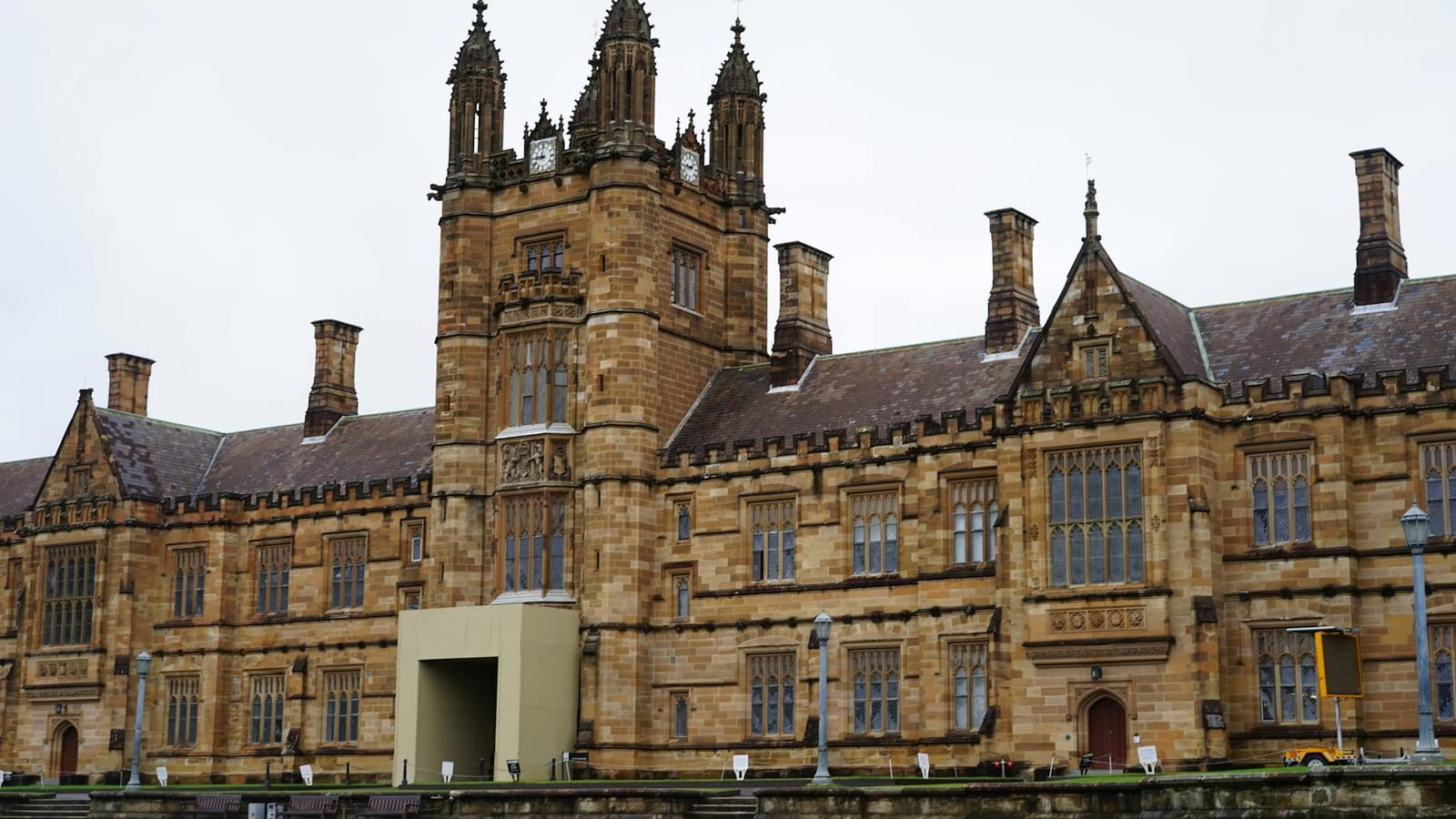
The first merit list has given many Mumbai families a small but real breather.
For students staring at college forms and percentage columns, Mumbai University admissions look a little less punishing this year. The first merit list shows cut-offs for traditional degree courses have eased by about 3 to 4 percentage points.
That is not a collapse. It is a signal. The old rush for plain BA, BCom and BSc seats is losing some heat, while professional courses pull more students away.
Cut-offs soften in Mumbai colleges
The first merit list across Mumbai colleges points to a clear shift. Traditional undergraduate courses are still in demand, but the pressure has reduced.
A 3 to 4 percentage point fall may sound small. In admission season, it can change a student’s entire plan.
A student with 84 percent, who missed a preferred college last year, may now have a chance. A family that feared another round of expensive backup options can wait with slightly more confidence.
The dip matters most in courses where cut-offs usually run high. Commerce and science streams often become percentage battles. Even one mark can decide whether a student gets a nearby college or spends years commuting.
Why the numbers have changed
Two forces are working together this year.
First, Class 12 results have dipped. When fewer students score at the very top, college cut-offs naturally soften. Merit lists follow the marks pool.
Second, students are moving towards professional courses. These are courses linked more directly to jobs, skills, licences, or technical careers.
That includes engineering, medical, management-linked, computer, design, pharmacy and other career-focused routes. Many families now see these as safer bets in a tight jobs market.
This is not just about ambition. It is about fear too. Parents look at fees, rent, transport, coaching costs and uncertain salaries. They want a degree that looks practical from day one.
Professional courses gain ground
The scale of the shift is visible in entrance exam numbers. For MHT CET-linked technical and medical admissions, 18 lakh students had registered across 20 entrance tests in Maharashtra.
Of them, 16.29 lakh students actually appeared. That means attendance touched 89.89 percent.
That is a large pool by any standard. It tells us students are not stepping away from higher education. They are choosing different doors.
For colleges, this changes the business of education. Traditional degree colleges can no longer depend only on brand value and location. They must show why a plain degree still matters.
Some will add skill certificates. Some will push internships. Some will tie up with companies. The better ones will make BA, BCom and BSc feel less like a holding pattern.
Students also know the old formula has weakened. A degree alone does not guarantee a job. A student now wants Excel, coding, analytics, communication, finance basics, or lab skills along with the certificate.
What families should watch
Softer cut-offs do not mean admissions will become easy everywhere. Popular colleges, strong departments and convenient locations will still stay competitive.
Families should read the merit lists carefully. They should compare the first list with past trends, but not treat last year as law. This year’s pattern has already shifted.
Students should also avoid one common mistake. A lower cut-off should not push them into a course they do not want.
A professional course is not automatically better. A traditional degree is not automatically weak. The real question is whether the course leads somewhere clear.
A BCom student with strong accounting and finance skills may do well. A science student who builds lab and data skills may find good options. A professional course without interest or effort can also become expensive dead weight.
This is where the family conversation must become honest. Can the student handle the course? Are the fees manageable? Is the commute sane? Does the college actually support placements or internships?
Those questions matter more than one famous college name.
Colleges face a harder market
For years, many Mumbai colleges enjoyed a supply problem. Too many students chased too few good seats. High cut-offs became a badge of pride.
That market is now becoming more layered. Students have more options, including professional courses, private universities, online add-ons and job-linked programmes.
Traditional colleges will have to work harder for relevance. A first merit list with lower cut-offs is not just an admissions update. It is feedback from the market.
The signal is simple. Students want value, not just admission. Families want employability, not just a degree photo.
This pressure may improve courses over time. Colleges that refresh teaching, build employer links and guide students well will hold demand. Those that run on old reputation may feel the squeeze.
For students, the immediate message is practical. Do not panic if the first list did not work out. Watch the next lists, keep documents ready, and stay alert on deadlines.
For parents, the message is calmer but sharper. A slightly lower cut-off is welcome, but the bigger choice remains unchanged. Pick a course that fits the student’s ability, the family budget and the job market ahead. This year’s merit list has opened a small window. What families do with it will matter far more than the percentage printed beside a college name.