Mumbai station upgrades near finish as road doubts grow
Western Railway says Malad station work is 90% complete as Mumbai pushes upgrades, even as new potholes raise questions over civic spending.
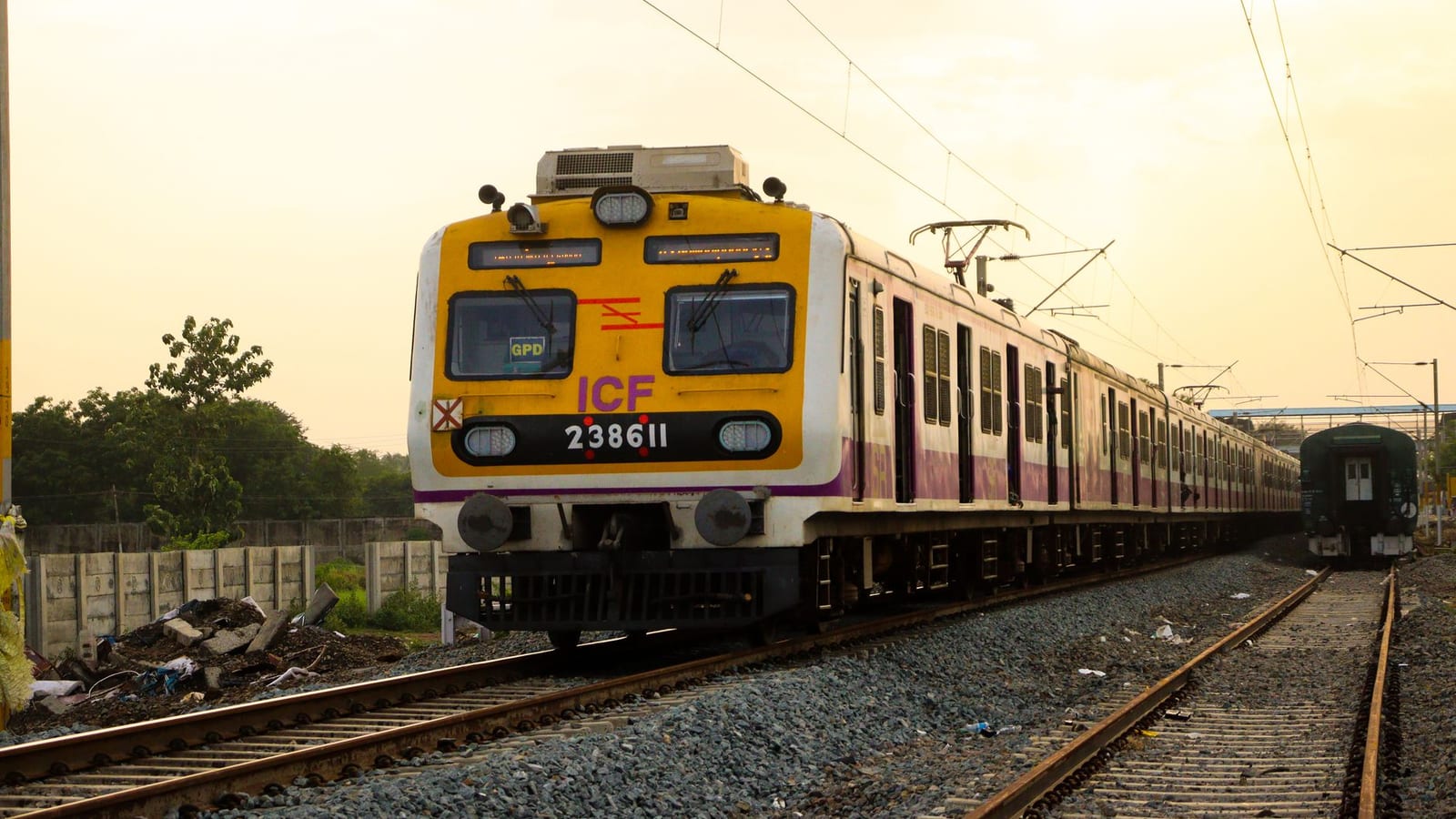
Mumbai’s upgrade bill is landing in small, daily ways. A faster station here. A cleaner temple approach there. A new corridor on paper. And, because this is Mumbai, potholes on a road barely two months old.
For millions of commuters, traders, temple visitors and small suppliers, these projects are not abstract civic news. They decide how long people spend in trains, how easily shops get customers, and whether public money actually buys better public life.
The latest batch of announcements shows a city trying to build faster than its own doubts.
Station upgrades pick up pace
Western Railway General Manager Ramashray Pandey said work under the Amrit Bharat Station Scheme is moving quickly on its Mumbai suburban stations.
Malad station has reached 90 percent completion, he said. Three stations are expected to get upgraded passenger facilities by the end of this year. The remaining works are expected to run into 2027.
For anyone who uses Mumbai locals, “passenger facilities” sounds dry. In real life, it means wider access, cleaner movement, better waiting space, clearer signage, and less daily pushing through bottlenecks.
A suburban station is also a local economy. Tea stalls, phone repair shops, small eateries, autorickshaw drivers and office-goers all depend on how smoothly people move through it.
The real test will come during rush hour. Mumbai does not judge infrastructure by inauguration photos. It judges it at 8.45 am, when every staircase feels too narrow.
Mumbadevi revamp gets tender
After the Siddhivinayak temple redevelopment push, Mumbadevi temple is next in line for a makeover.
The Brihanmumbai Municipal Corporation has invited tenders for the first phase of work. The civic administration plans to spend ₹57 crore in this phase.
That number matters because temple redevelopment is never just about the temple. It changes the streets around it, the informal trade nearby, crowd management, security, sanitation and access for elderly visitors.
Mumbadevi sits in one of Mumbai’s oldest commercial belts. Small traders, wholesalers and daily wage workers share the same tight lanes as devotees.
A cleaner and safer approach can help footfall. But construction can also disrupt shopkeepers if the civic body does not plan carefully.
Mumbai has seen this before. Beautification often sounds harmless, until hawkers lose space or small shops lose visibility. The city needs better public areas, but it also needs fairness for those who earn there daily.
The tender stage is only the beginning. Contractors, timelines, traffic diversions and rehabilitation of affected vendors will decide how smooth this project feels on the ground.
Virar-Alibag corridor moves ahead
The state government has also cleared a key hurdle for the Virar-Alibag corridor by taking a decision related to forest land.
Chief Minister Devendra Fadnavis gave instructions on the matter. Revenue Minister Chandrashekhar Bawankule then pushed the decision through the Mantralaya process.
The corridor is important because it speaks to a bigger Mumbai problem. Jobs, housing and industry have spread far beyond the old city, but roads and public systems still lag behind.
A better east-west and north-south connection can shorten travel time for workers and reduce pressure on existing routes. It can also make logistics easier for businesses that move goods between ports, warehouses and industrial areas.
But any project involving forest land deserves close public attention. Speed cannot become an excuse for weak checks.
The government will have to show that approvals, environmental safeguards and compensation rules are not treated as paperwork. People living near such routes often pay the first price for big infrastructure.
For homebuyers, the corridor may become part of future sales pitches. Developers will speak of connectivity. Buyers should still ask the boring but important questions: when will it actually open, and what exists today?
Potholes dent public trust
The weakest note in this infrastructure push came from the Missing Link route, where potholes appeared within two months.
The MSRDC said the potholes were minor. That may be technically true. But for taxpayers, the timing is the problem.
When a newly built or recently opened road develops potholes, people do not hear engineering explanations first. They think of tender quality, contractor checks and whether anyone gets held responsible.
This route has been described as housing the country’s tallest cable-stayed bridge. That makes early road damage even more awkward.
A landmark structure can impress on paper. But daily users care about tyre damage, braking risk, waterlogging and repair speed.
Mumbai’s civic memory is long. Every monsoon brings the same questions. Who built this? Who certified it? Who will fix it? Who pays again?
If MSRDC treats the potholes as small, it must still act fast. Small defects on high-speed roads can become safety risks during rain.
The lesson is simple. Big infrastructure does not earn trust through scale alone. It earns trust through maintenance.
Prices and services pinch households
The city’s business story is not only about roads and stations. It also shows up in the fish market.
Fish prices have risen because of the fishing ban period, with supply coming from other states. Many buyers who cannot afford fresh fish have shifted to cold-storage fish and dried varieties.
That small shift tells a bigger story about household budgets. When protein becomes costly, families adjust quickly. They buy less, switch quality, or postpone purchases.
For fish sellers, the ban period means a delicate balance. They must keep stock moving, manage higher procurement costs, and still face customers who bargain harder.
The state also admitted that some intoxicating medicines are being sold online and are easily available. That is another business story, though a darker one.
Digital commerce has made convenience normal. But when weak controls meet addictive products, families and regulators both face trouble.
The government has also moved against harmful energy drinks and food items around schools. Ministers have spoken about the health impact of such products on children.
These decisions affect small retailers near schools, online sellers, distributors and parents. Regulation must protect children, but enforcement must be clear enough that shopkeepers know exactly what is banned.
Mumbai’s latest news cycle looks scattered at first: stations, temples, corridors, potholes, fish prices and online medicine sales. But one thread connects it all. The city is expanding, upgrading and regulating at the same time. Ordinary people will welcome better infrastructure and safer markets. They will also ask the only question that really matters: will this make daily life easier, or just create another file, another tender, and another bill?