New LPG Rule Lets PNG Users Keep Cylinder Option
India's 2026 LPG amendment lets households moving to piped gas cancel connections or keep a transfer voucher for future cylinder access.
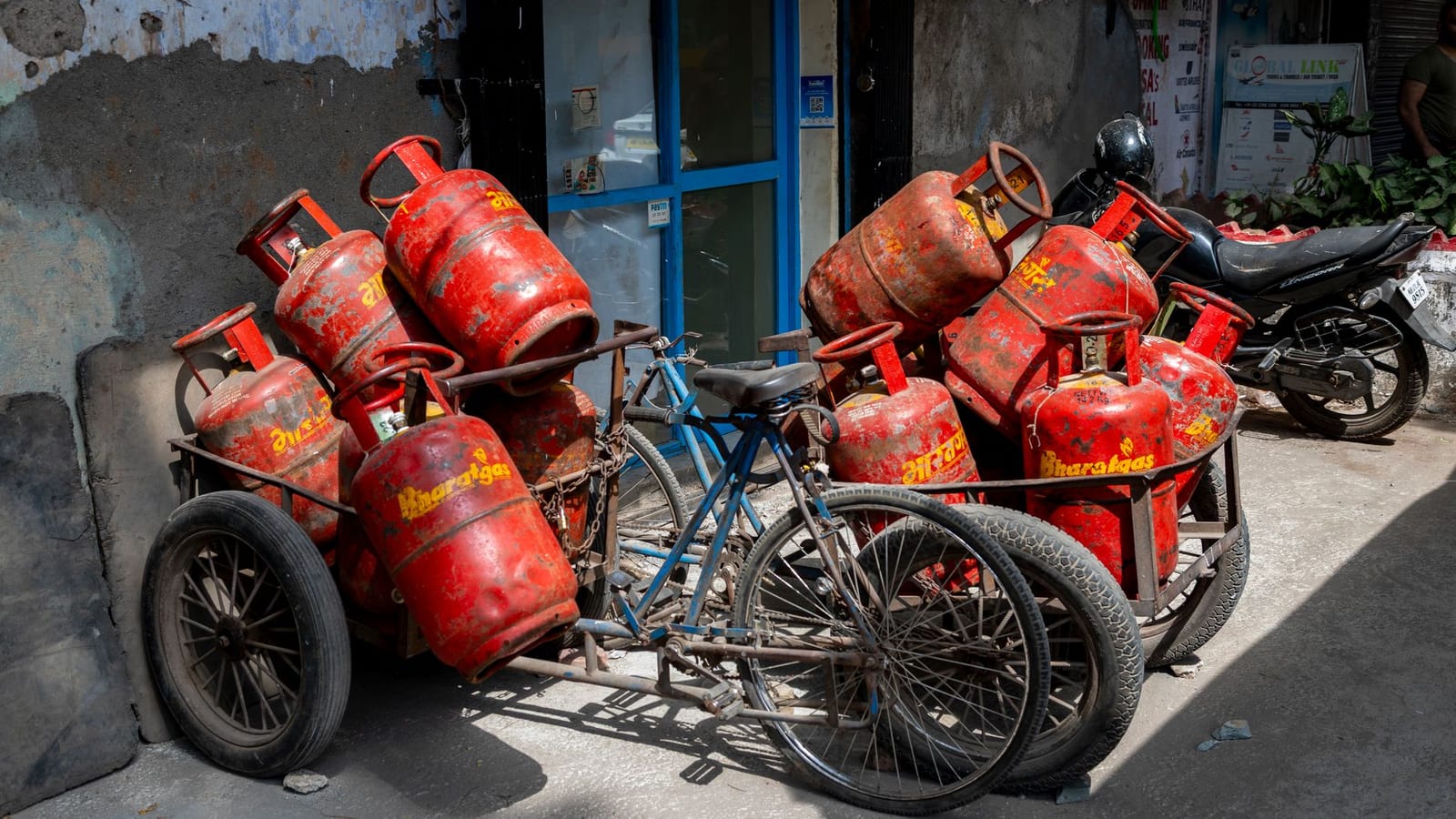
For many Indian households, a gas connection is not just a utility. It is a small piece of domestic security.
That is why the new LPG rule matters. It tackles a very ordinary fear: what happens if a family shifts to piped gas today, then moves tomorrow to a place where piped gas does not exist?
The Government of India has notified the Liquid Petroleum Gas Amendment Order, 2026, dated May 25, 2026. The change gives households more flexibility when they move from LPG cylinders to PNG connections.
What the new LPG rule changes
Till now, many households saw piped gas as convenient, but not risk-free. If they gave up their LPG connection after getting PNG, they worried about starting from scratch later.
That fear was not imaginary. A fresh gas connection can mean paperwork, deposits, agency visits, and waiting time.
The new rule gives consumers two choices after PNG starts at home. They can apply to cancel their old LPG connection within 30 days.
Or they can take a transfer voucher from the gas company. This voucher becomes useful if they later move to an area without piped gas.
In simple terms, the voucher works like proof of an old connection. The consumer can use it to restore an LPG connection later.
That matters in a country where people move often, but basic services do not move equally with them.
Why families worried about switching
PNG has been spreading fast in large cities. Many households prefer it because it comes through a pipeline.
There is no need to book a cylinder, wait for delivery, or check the refill level. For urban homes, that is a real comfort.
Many also see PNG as safer and cheaper than cylinders. But that depends on supply, city, usage, and local pricing.
The catch is simple. PNG networks do not cover India evenly.
A family in a metro may enjoy piped gas today. The same family may shift to a smaller city tomorrow for work.
A young professional may move from one rented flat to another. A student may shift from a hostel to shared housing.
A government employee or private-sector worker may face a transfer with little warning. In such cases, a piped gas connection cannot follow them everywhere.
This is where the old system felt unfair. Consumers were being pushed to choose between convenience today and security tomorrow.
The new rule tries to remove that pressure. It lets people adopt PNG without feeling they have burned their bridge back to LPG.
Who gains from the transfer voucher
The biggest gainers are mobile households. India’s middle class moves more than official forms often recognise.
Transfers, job switches, rent hikes, family needs, and children’s education can all change where a family lives.
For such households, the transfer voucher could save money and time. It may reduce the need for fresh deposits and repeated documentation.
It should also help tenants. Many renters hesitate to make long-term utility choices because landlords, buildings, and cities change.
A tenant may get PNG in one flat, then move to a building without it. The voucher gives that person a cleaner route back to LPG.
Students and working bachelors may also benefit. They often live in temporary housing and cannot plan utilities like permanent homeowners.
Families moving to semi-urban or rural areas may see the most practical relief. PNG has grown in cities, but cylinders still power many kitchens outside them.
For gas companies, the change could also make PNG adoption smoother. Customers may switch faster if they do not fear losing their LPG safety net.
But the rule will work only if gas agencies explain it clearly. A voucher that consumers do not understand will only create fresh confusion.
The fine print consumers should check
The 30-day window matters. Consumers who want to cancel their LPG connection must apply within 30 days of PNG activation.
Those who prefer future flexibility should ask their gas company about the transfer voucher.
Households should keep the voucher safely. They should also check the process for restoring LPG when they move.
The rule gives a pathway, but everyday execution will depend on local agencies. That is where many utility reforms either succeed or annoy people.
Consumers should confirm whether the voucher applies across cities and distributors. They should also ask what documents they need later.
The order’s real value will come from simple instructions. A gas customer should not need three visits to understand one option.
There is also a larger policy message here. India is trying to expand cleaner and more convenient household fuel systems.
But infrastructure grows in patches. One city gets pipelines early, another waits for years.
A good policy must accept that people live between these two Indias. One has piped utilities. The other still depends on deliveries, bookings, and local agents.
This LPG change does not solve every problem. It does not bring PNG to every town overnight.
It does not remove price worries either. Families will still compare monthly bills, deposits, and reliability.
But it does make one sensible correction. It tells consumers they can shift to PNG without losing access to LPG forever.
For ordinary readers, that is the real takeaway. The kitchen may look like a small place for policy, but it carries daily stress. A rule that reduces that stress, even quietly, can make life easier for millions who move, rent, work, and cook across an uneven India.