New LPG Rule Lets PNG Users Restore Cylinder Links
India's 2026 LPG amendment lets households moving to PNG cancel cylinders or keep a transfer voucher to restore LPG if they relocate later.
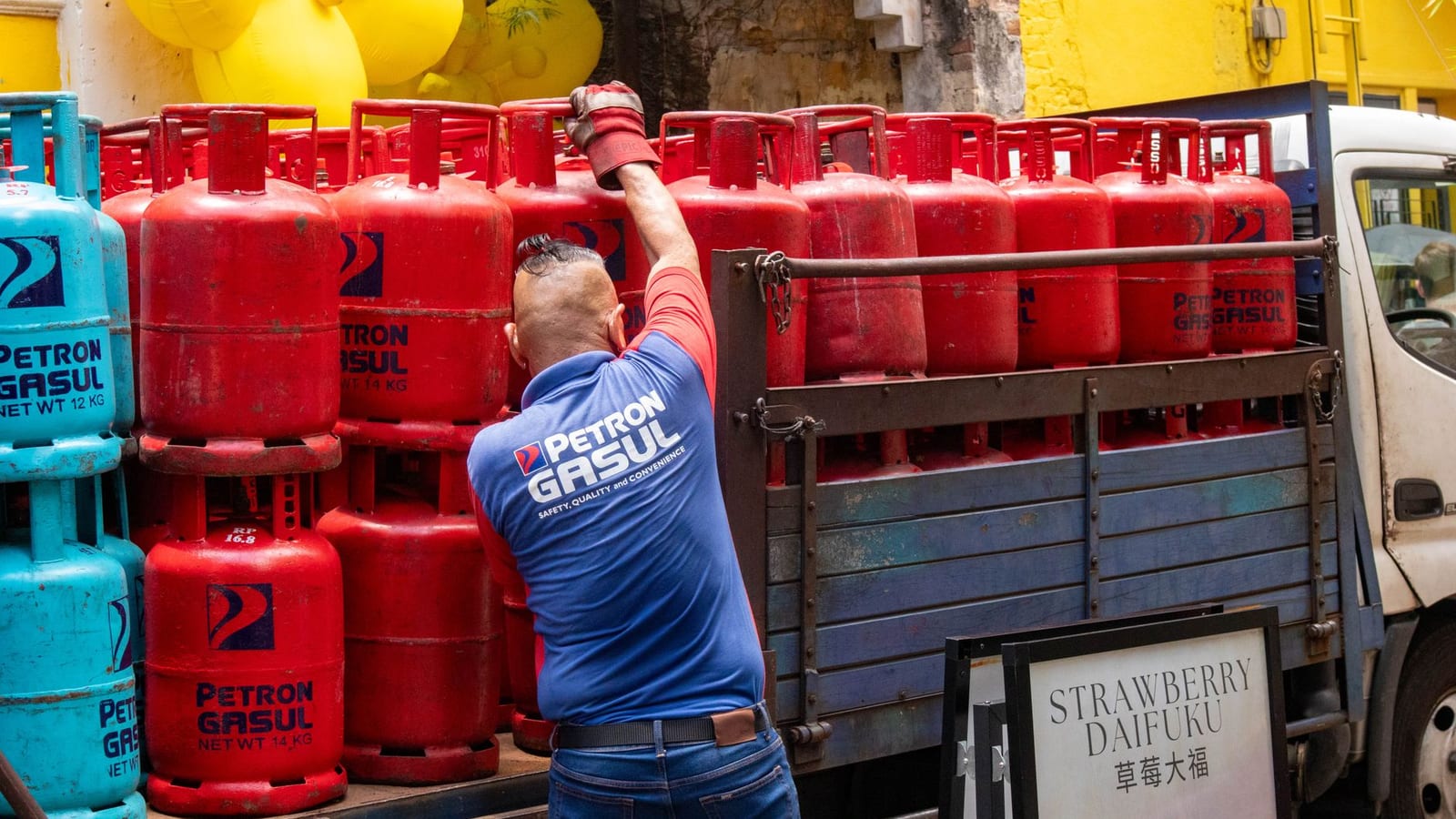
For many city families, the gas cylinder in the kitchen has become a backup plan, not just a fuel source.
The Government of India has now recognised that reality. On May 25, 2026, it notified the Liquefied Petroleum Gas Amendment Order, 2026, giving households more flexibility when they shift from a cylinder to piped gas.
The simple point is this: if you take a PNG connection at home, you will not lose your old LPG connection forever.
What the new LPG rule says
Under the new rule, a household that gets piped natural gas has two clear options.
First, the customer can cancel the old LPG connection within 30 days of the PNG supply starting at home. That route suits families that are settled in one place and see no need for a cylinder again.
Second, the customer can take a transfer voucher from the gas company. This voucher works like a promise on paper. If the family later moves to an area without PNG, it can use the voucher to restart the LPG connection.
That matters more than it may sound at first. A gas connection is not just a line in a file. It involves deposits, identity papers, address proof, agency visits, delivery records, and time.
Anyone who has shifted cities knows the pain. You change homes, find a school, set up electricity, update bank records, and then chase basic kitchen fuel. This rule removes one small but real headache.
Why PNG users wanted this safety net
PNG has been spreading across Indian cities for years. Builders now advertise it as a basic urban convenience, along with lifts, parking, and power backup.
It is also cleaner in daily use. There is no cylinder booking, no delivery wait, and no heavy metal cylinder sitting in the kitchen. For working couples and elderly people, that convenience counts.
But PNG has one big weakness. It does not travel with you.
A family moving from Mumbai to a smaller town may not find piped gas there. A tenant may shift from one society to another and lose access. A government employee may move from a metro to a district posting.
Earlier, many customers worried that surrendering the cylinder would trap them later. If they needed LPG again, they feared fresh paperwork and fresh security deposits.
The transfer voucher solves that fear. It tells customers they can try PNG without burning the bridge to LPG.
Who gains from the change
The biggest gainers are mobile middle-class families. These are people who move for jobs, transfers, education, or rent.
A bank employee transferred every few years will understand this rule quickly. So will a young family moving between rented flats in a large city.
Students and working professionals also stand to benefit. Many live in shared flats or hostels, where kitchen arrangements change often. Some homes use PNG for years, then return to LPG after moving to another locality.
The rule also helps families moving from cities to semi-urban or rural areas. PNG networks are growing, but they still do not cover India evenly. Many smaller towns depend almost fully on cylinders.
For gas companies, the new rule may also reduce customer hesitation. More households may accept PNG connections if they know their LPG link can be restored later.
That is the business logic behind the change. A customer who feels trapped delays a decision. A customer who sees a fallback option moves faster.
The fine print customers must watch
The rule sounds simple, but execution will decide its real value.
Customers should ask the gas agency how the transfer voucher will be issued. They should also keep the document safely, along with the consumer number and connection details.
The 30-day window also matters. Those who want to cancel the old LPG connection must apply within 30 days of the PNG supply starting. Missing that timeline may create confusion later.
Gas agencies will need clear instructions. If local offices handle the process unevenly, customers may still face delays. India has seen this before with address changes, subsidy links, and Know Your Customer updates.
The government has made the policy easier. Now the paperwork must become easier too.
Customers should also understand one basic point. The voucher is meant for future restoration where PNG is not available. It is not a licence to use both systems casually without following company rules.
Still, the direction is practical. It accepts how Indians actually live. People shift homes, cities, and jobs. Fuel policy must keep up with that movement.
Why this matters beyond kitchens
This LPG rule change is also part of a larger energy shift.
Urban India is slowly moving from delivered fuel to networked fuel. In plain terms, gas is becoming more like electricity or water in some cities. It comes through a line, not a delivery truck.
That can lower daily friction for households. It can also reduce the pressure on cylinder delivery networks in dense cities.
But India cannot switch overnight. LPG remains vital for millions of homes. It reaches areas where pipelines may take years to arrive.
That is why this policy is useful. It does not force people into one system. It lets them move between two systems based on where life takes them.
For ordinary readers, the message is clear. If PNG has reached your building, you can consider it without fearing a permanent loss of your cylinder connection.
The kitchen may look like a small place for policy change. But in Indian homes, it is where monthly budgets, daily routines, and family comfort meet. This rule respects that reality, and that is why it will matter.