Omar Abdullah warns J&K delay could extend LG rule
Omar Abdullah said delaying government formation for statehood talks could help the BJP keep Jammu and Kashmir under Lieutenant Governor rule.
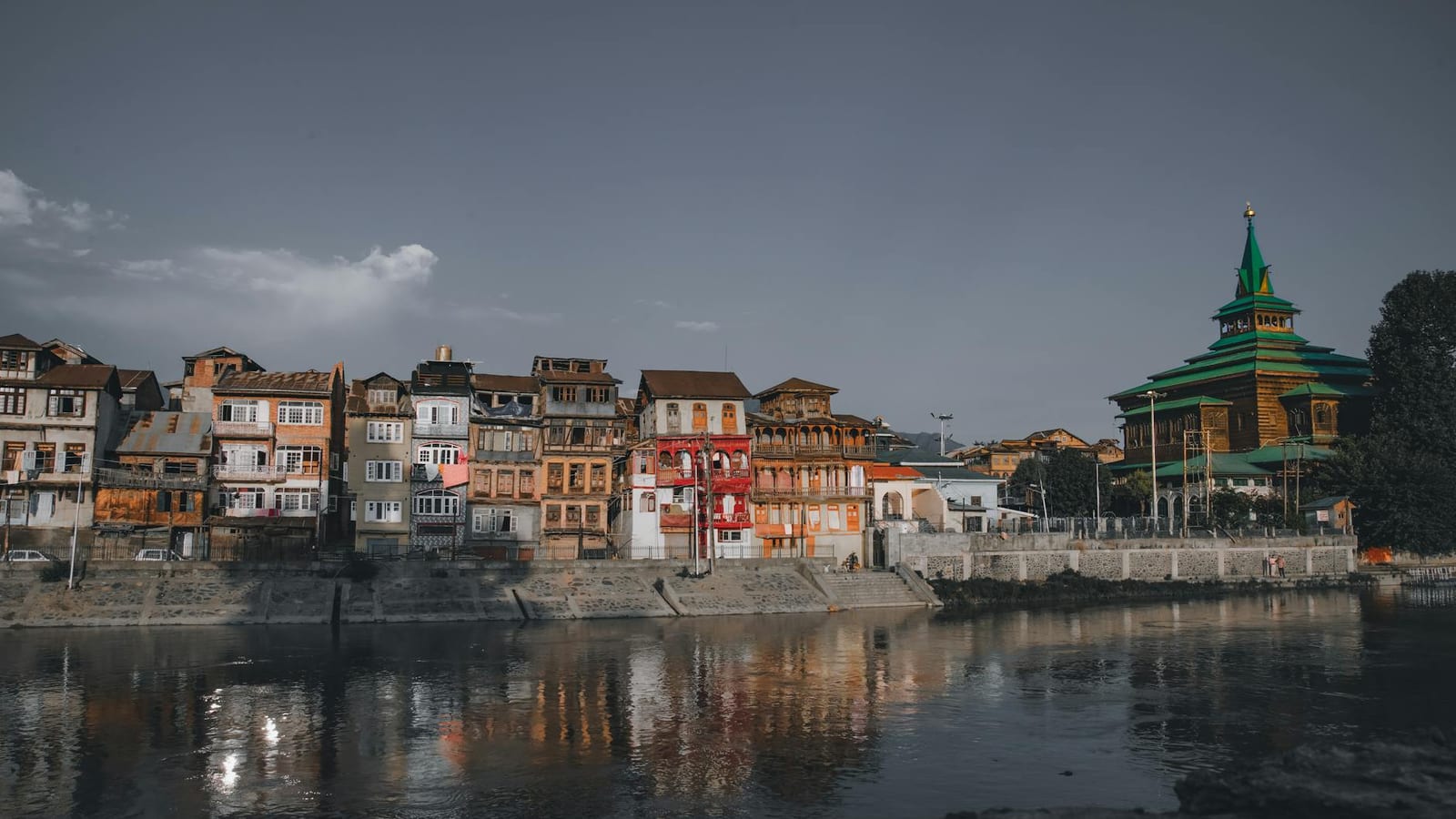
For many voters in Jammu and Kashmir, the result day question was not only who wins. It was also whether their vote would quickly turn into a government with real authority.
That is why Omar Abdullah sounded unusually sharp before counting day. His warning was simple. If parties delay government formation in the name of statehood, the BJP may get exactly what it wants.
He argued that any delay could help extend central rule through the Lieutenant Governor. For a region that has spent years under direct central control, that is not a small procedural point. It is the heart of the election.
Omar Abdullah warns against delay
Omar Abdullah was responding to calls from some opposition leaders who wanted non-BJP parties to hold back from forming a government. Their argument was that parties should first pressure the Centre to restore statehood.
On paper, that sounds like a hard bargaining position. In practice, Abdullah said, it could play into the BJP’s hands.
His point was blunt. If the BJP cannot form the government, it may prefer continued central control instead. That means power remains with the Lieutenant Governor’s office, not with elected representatives.
This is where the politics gets tricky. Statehood is a major emotional and political demand in Jammu and Kashmir. Many people see it as the minimum step needed to restore dignity after the 2019 changes.
But Abdullah’s argument was about timing. He said elected parties should not leave a vacuum after the results. In a place like Jammu and Kashmir, a vacuum rarely stays empty for long.
Statehood demand meets power math
The call to delay government formation came from Engineer Abdul Rashid, the Baramulla MP and chief of the Awami Ittehad Party. Ghulam Hassan Mir of Apni Party also urged pressure on the Centre before the new Assembly starts work.
Rashid argued that a new elected government would have limited powers. He said parties should unite on one demand first, the return of statehood.
That argument will find takers among many ordinary people. A government without full state powers can feel like a half-open shop. The signboard is up, but key decisions sit elsewhere.
For a trader in Srinagar, a contractor in Jammu, or a young graduate waiting for recruitment, this matters. They do not only want slogans. They want someone answerable when files do not move.
That is the practical problem with a delayed government. It may send a political message to Delhi. But it can also postpone day-to-day accountability inside the Union Territory.
In business terms, uncertainty has a cost. Investors, hoteliers, transporters, small manufacturers, and service firms all watch political signals. When the chain of command looks unclear, decisions slow down.
NC weighs post-poll options
The National Conference entered the election in alliance with the Congress. Exit polls gave that alliance an edge before counting day, though results were still awaited.
Farooq Abdullah, the party’s president, had suggested that the National Conference could take support from the People’s Democratic Party if needed. Omar Abdullah quickly tried to cool that talk.
He said no support had been given, no offer had been made, and voters had not yet delivered their final verdict. In plain words, he wanted everyone to wait for the numbers.
That caution makes sense. Jammu and Kashmir politics often turns on small seat differences. A few constituencies can change the whole post-poll mood.
There is also history between the National Conference and the PDP. Both have competed for the same political space in the Valley for years. Any support arrangement would need careful handling.
For voters, such alliances can look confusing. During campaigns, parties attack each other strongly. After results, they sometimes sit across the same table. That is normal politics, but it needs honest explanation.
Omar’s message seemed aimed at both rivals and allies. Do not rush into public bargaining. Do not create confusion before the mandate becomes clear.
Limited powers, real stakes
The deeper issue is the power structure of Jammu and Kashmir after its conversion into a Union Territory. An elected government can run many departments, but the Lieutenant Governor retains strong authority.
That makes this election different from old state elections. Earlier, voters expected a chief minister to command the system. Now, even a winning party must work within tighter limits.
This is why Rashid called the future government limited. It is also why Abdullah pushed back against delaying it. Both positions start from the same concern, the region needs fuller democracy.
They differ on method. Rashid wants statehood first, government later. Abdullah wants government formation first, while continuing the fight for statehood.
For citizens, the difference is not abstract. A local government can still affect roads, health centres, schools, tourism promotion, and welfare delivery. These are not glamorous issues, but they shape daily life.
A hotel owner in Pahalgam or a shopkeeper in Udhampur may not track every constitutional detail. But they know when permits, power supply, policing, and local administration affect business.
Young professionals also watch this closely. Government jobs, private investment, education, and internet stability all sit inside the wider political climate. A prolonged power tussle can hurt confidence.
BJP’s central rule calculus
Omar Abdullah’s charge against the BJP was political, but not difficult to understand. Any party that cannot build numbers may prefer a system where rivals cannot govern either.
The BJP has built its Jammu and Kashmir strategy around direct control, national security, and the claim of deeper integration with India. Its critics say this has weakened local political voice.
If the BJP performs strongly enough, it will try to shape government formation. If it falls short, Abdullah fears it may benefit from delay and deadlock.
The BJP has not been the only player in this election, but it remains the central reference point. Every regional party frames its choices against the BJP’s larger plan for the region.
That is why Abdullah’s warning carried weight. He was not only attacking one rival. He was telling non-BJP parties that strategy can backfire.
Politics often rewards symbolism. But administration rewards speed and clarity. After years of central rule, Jammu and Kashmir’s voters may have little patience for clever standoffs.
The immediate test will come after the final numbers. If the National Conference-Congress alliance crosses the line, pressure will shift to forming a government quickly. If it falls short, smaller parties and independents will matter.
Either way, statehood will not disappear as an issue. It will remain the big promise hanging over the new Assembly. The Centre will face pressure, but regional parties will also face a test of seriousness.
The ordinary voter has already done the hardest part by turning up and choosing. Now the political class must show whether that vote creates a working government, or only another argument about power.