PNG users can now restore LPG links after moving
Households shifting to piped gas can keep an LPG transfer voucher, letting them revive cylinder service later if they move beyond PNG coverage.
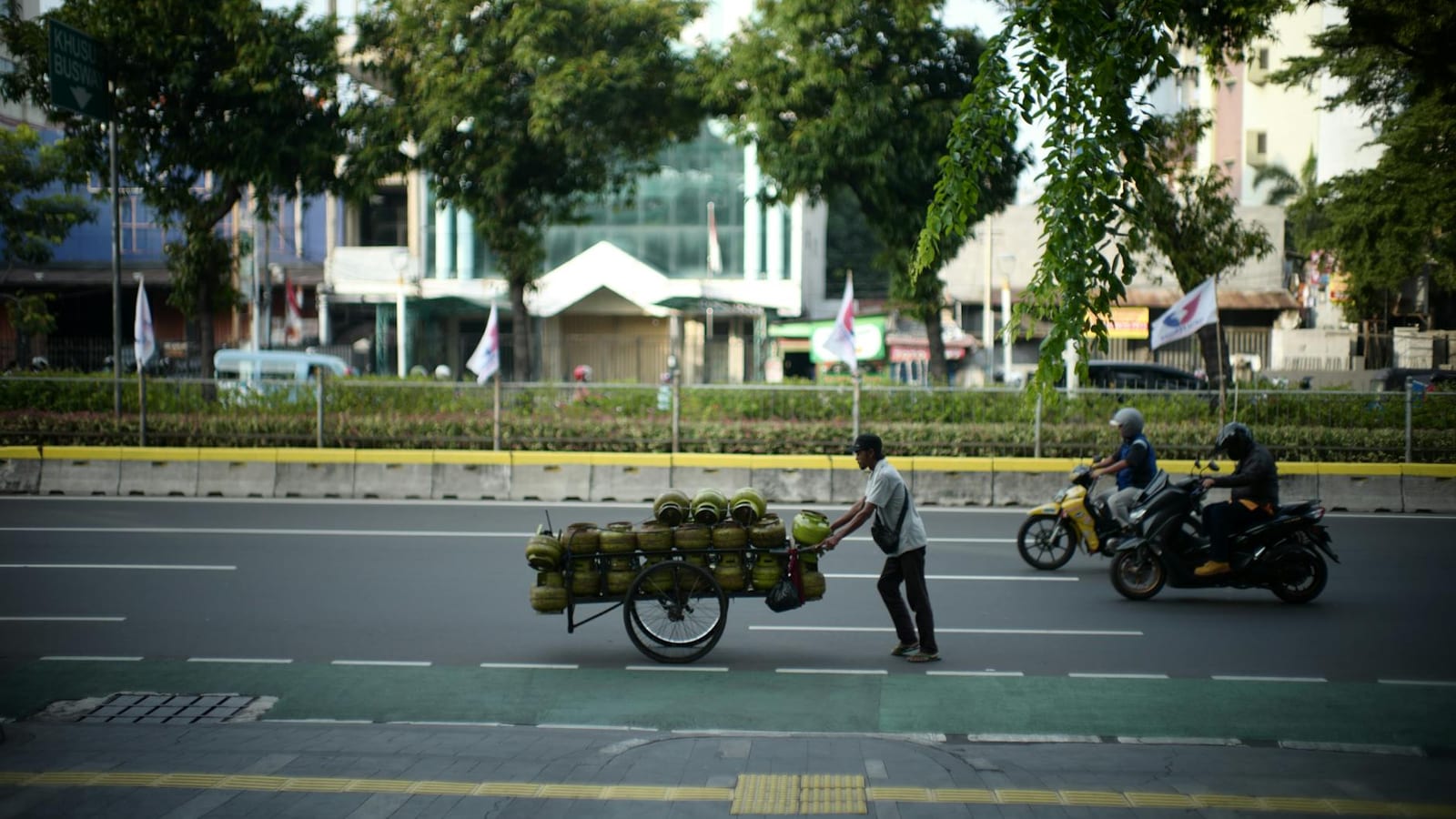
A kitchen fuel choice should not feel like a one-way ticket. For many urban families, that was exactly the worry.
Shift to piped gas today, and what happens if a job transfer takes you to a town without pipelines? That simple question sat behind a very practical change in India’s cooking gas rules.
The Ministry of Petroleum and Natural Gas has now given households a safety net. People moving from LPG cylinders to PNG can keep a route back to LPG, without starting from zero later.
What the new LPG rule says
The government notified the Liquefied Petroleum Gas (Regulation of Supply and Distribution) Amendment Order, 2026, on May 25, 2026.
Under the new rule, a household that gets a PNG connection has two choices.
It can apply to close its domestic LPG connection within 30 days of getting PNG. Or it can take a transfer voucher from the oil marketing company.
That transfer voucher is the important bit. It works like proof that the consumer had a valid LPG connection earlier.
If the family later moves to an area without PNG, it can use the voucher to restore the LPG connection. That should cut paperwork, waiting time, and fresh security deposit pain.
For a salaried family, this matters. Transfers are common in banking, government service, defence, IT, sales, and many private-sector jobs.
A rented flat in Mumbai may have PNG. A posting in a smaller town may not. The new rule accepts that India’s gas network is still uneven.
Why households were worried
Piped Natural Gas has been expanding across major cities. It is convenient because gas reaches the kitchen through a pipe.
There is no need to book a cylinder, track delivery, or worry about carrying heavy cylinders upstairs.
Many users also see PNG as safer and cleaner to handle. Since supply is metered, households pay based on usage.
But the old fear was real. Once a family gave up its LPG connection, getting one again could mean forms, identity checks, address proof, agency visits, and deposits.
That may sound small from an office desk. It is not small when a family has just moved cities.
A student shifting into rented housing, a young couple moving for work, or parents relocating after retirement all face the same issue. Cooking gas is not a luxury. It is the first utility a home needs.
This is why the transfer voucher is more than a clerical change. It reduces the risk of choosing PNG.
It tells consumers, move to the pipeline where it exists, but you will not be punished if life moves you elsewhere.
The government’s bigger fuel push
The government wants more households to use PNG wherever the network has reached.
That push makes sense on paper. Pipeline gas can reduce pressure on cylinder logistics in dense cities.
It also helps oil marketing companies manage cylinder distribution better. Cylinders can move towards areas where pipelines do not exist.
But India’s energy map is not a neat spreadsheet. A city may have PNG in one neighbourhood and not in another.
Even within one housing society, connection work can depend on building approvals, safety checks, and local coordination.
That is why a hard shift from LPG to PNG always needed a practical escape route. The new voucher tries to provide that.
The Petroleum and Natural Gas Regulatory Board has been linked to the wider PNG rollout process. Its role matters because city gas expansion needs oversight.
Consumers need clear rules, not mixed signals from gas agencies, housing societies, and pipeline operators.
The rule also gives oil companies a cleaner way to update records. They can mark a household as shifted to PNG without cutting off its future access completely.
Who gains from the voucher
The biggest gainers are not only upper-middle-class homeowners in big cities.
Renters may benefit even more. They often do not control building-level fuel decisions.
A landlord may install PNG in one flat. The tenant may later move to another city where cylinders remain the only option.
Without a voucher, that tenant could face the full process again. With a voucher, restoration should become simpler.
Migrant workers and students also stand to gain. Many live in shared accommodation where utility arrangements change often.
For them, the cost of a new connection is not just money. It is lost time, agency visits, and uncertainty over daily meals.
Families moving to semi-urban or rural areas also get some relief. PNG has grown in cities, but many smaller centres still depend heavily on LPG.
The rule recognises that a household’s fuel needs follow its mobility. India’s middle class is more mobile than it was 20 years ago.
Jobs change. Cities change. Rented homes change. A cooking gas policy that ignores this will frustrate people.
What consumers must watch
The rule gives a right, but execution will decide the experience.
Consumers should keep the transfer voucher safely, preferably in both physical and digital form.
They should also check that the LPG distributor has correctly recorded the connection status.
A mismatch in records can create trouble later. Anyone who has dealt with utility paperwork knows this well.
The 30-day window also matters. If a consumer wants to terminate the LPG connection after getting PNG, the application must be made within that period.
Those choosing the voucher route should ask the gas agency for clear written acknowledgement.
The government has eased the path, but the last mile will run through local distributors. That is where many consumers will judge the reform.
For oil marketing companies, this rule brings a new responsibility. They must train agency staff and update systems quickly.
A confused counter clerk can undo the benefit of a well-written order.
For PNG operators, the change may make customer conversion easier. Households may accept pipelines faster if they know LPG can return later.
That is the smart part of this reform. It nudges people towards PNG without making them feel trapped.
The larger lesson is simple. Energy transition in India cannot work by pushing households into corners. It must fit the way people actually live, rent, move, cook, and plan. If the voucher system works smoothly, this small paper trail could remove a big kitchen worry for millions.