Pune 10 pm curbs put late-night food vendors at risk
Pune's 10 pm closure rule for paan kiosks and food carts could hit small vendors whose busiest hours often begin after office shifts.
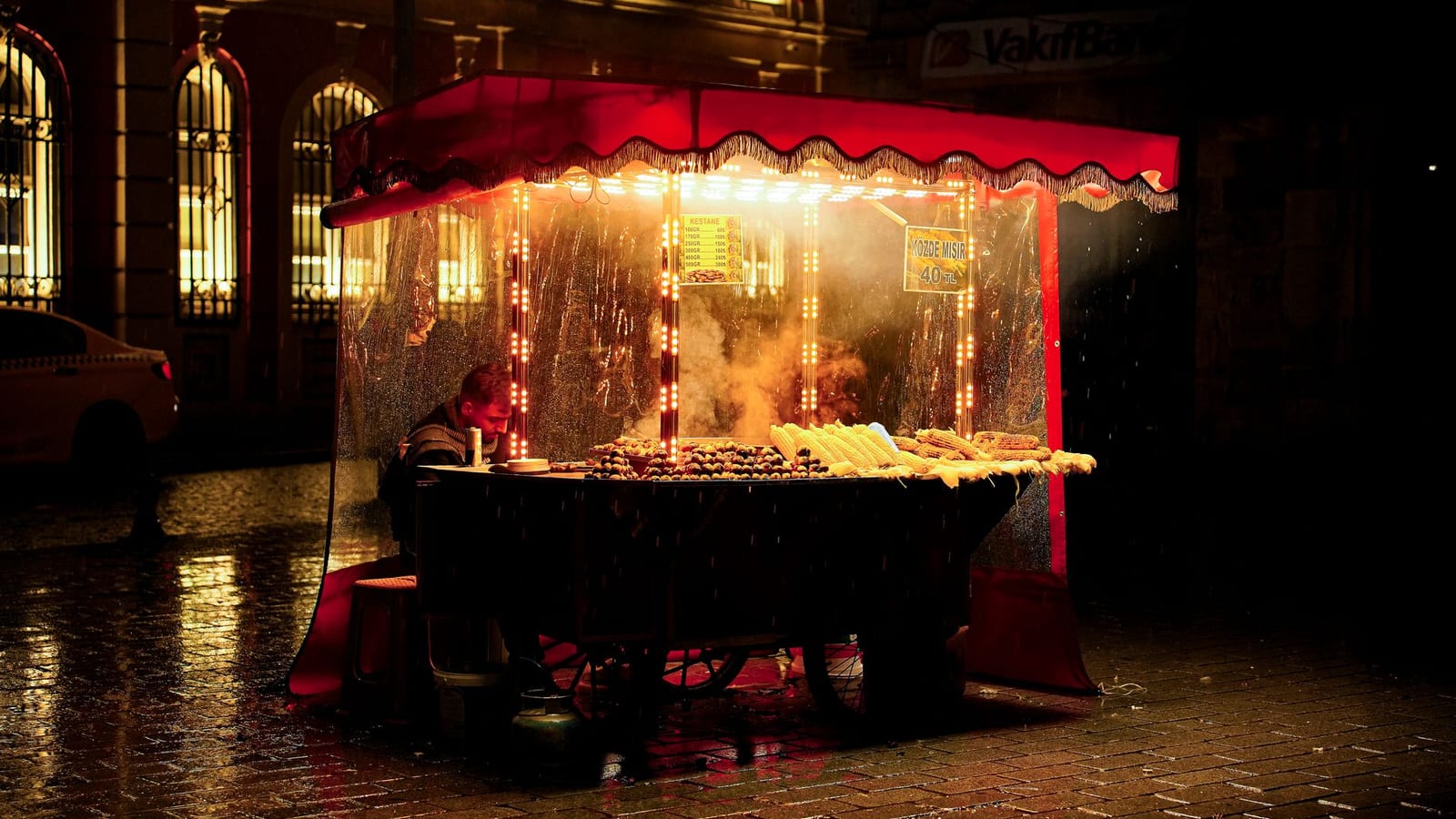
In Pune, the night now has a deadline. Paan kiosks and food carts, the small engines of late-evening city life, face closure at 10 pm as authorities tighten action on the city’s nightlife.
For a city that runs on students, IT workers, coaching classes, hospitals, and late shifts, this is not a small change. A 10 pm shutter can decide whether a vendor earns enough for the day, or whether a commuter finds dinner after work.
The move comes during a tense spell for the city and its surrounding areas. Police cases, road accidents, railway changes, and even a fake petrol notice have all fed one larger worry. Pune is growing fast, but its civic systems are under visible strain.
Night trade faces a hard stop
The most immediate hit will fall on small vendors. Paan stalls and food carts do not work like large restaurants. Their busiest hours often begin after office workers head home and students step out.
A 10 pm closure may look neat on paper. On the street, it changes daily cash flow. For many small sellers, those two or three late hours can cover rent, helper wages, gas cylinders, and supplies.
Authorities appear to be acting on concerns around late-night crowding and public order. That logic is not hard to understand. Pune has seen sharp growth in nightlife, especially around food streets, colleges, and commercial pockets.
But the hard question remains. Can a city control disorder without hurting its smallest businesses first?
Large pubs, branded chains, and delivery platforms usually absorb such shocks better. A roadside food cart cannot. It has no legal team, no marketing budget, and no cushion from investors.
That is why enforcement needs clarity. Vendors need to know where they can operate, until what time, and under which rules. Random action only creates fear and confusion.
Crime concerns sharpen the mood
The city’s policing pressure has also increased because of serious crime cases. In one case, Bandu Andekar, accused of instigating revenge from prison after Vanraj Andekar’s murder, will now appear in court only through video conferencing for security reasons.
That detail tells us something about the mood inside the system. When authorities stop physical court appearances in a criminal case, they are not dealing with a routine matter.
In Pimpri-Chinchwad, police also handled several separate incidents. These included an attack on a young man with a sickle in Kalewadi, an assault on a senior citizen, and an obscene act before a 24-year-old woman at a BRT bus stop.
Police arrested a 43-year-old bouncer in the BRT case after checking around 80 CCTV cameras. That kind of camera trail shows how urban policing now works. It also shows how much crime detection depends on basic surveillance infrastructure.
For ordinary residents, the larger issue is not one case. It is the feeling that public spaces need firmer control, especially after dark.
That pressure often pushes administrations toward broad restrictions. Night vendors become an easy target because they are visible. But public safety needs more than early closures. It needs lighting, patrols, transport, CCTV, and quick response.
Fuel panic shows fragile trust
A separate episode in Nigdi showed another side of urban anxiety. At a petrol pump, a fake government board claimed fuel sales had been limited. The notice triggered panic and drew crowds to pumps.
The petrol pump association president said the board was fake. Still, the damage had already begun. People saw a notice, believed a shortage may be coming, and rushed to fill tanks.
This is how fragile public trust has become. A single fake board can move crowds within minutes. In a city full of commuters, delivery riders, cab drivers, and small traders, fuel rumours are not harmless.
For a delivery rider, petrol is not a convenience. It is working capital. For a small business owner, a sudden fuel scare can affect deliveries, staff movement, and customer service.
Authorities need to respond fast in such cases. They must correct false information before panic becomes a crowd problem. Clear public messaging matters as much as enforcement.
The lesson is simple. Cities now run on speed, but rumours run faster. Local administrations need systems that can answer citizens in real time.
Rail and roads add pressure
Transport disruptions will add another layer of stress. The Daund-Manmad railway route will see changes between May 28 and May 30 because of doubling work. Some express trains will be cancelled, while others will run on changed routes.
Railway doubling is useful work. More tracks can reduce congestion and improve movement later. But during the block period, passengers must adjust plans, spend more time, or pay extra for alternatives.
For small traders, students, and workers, these changes are not abstract. A cancelled train can mean a missed shift, delayed goods, or an unplanned hotel stay.
Road safety also remains a serious worry. Near Dingore village on the Ahilyanagar-Kalyan highway, four young men died after an MSRTC bus collision. The accident took place near Hotel Jeevandeep on Sunday night.
Another incident in Pimpri-Chinchwad involved a 10-year-old girl who died after a car hit her while reversing. Two others suffered injuries.
These incidents sit outside the business pages, but they affect the economy deeply. Unsafe roads raise costs for families, employers, transporters, and the state. Every accident leaves a financial wound along with grief.
Voter rolls enter the picture
Pune district will also carry out a special intensive revision of the voter list. The district administration said the exercise follows orders from the Election Commission and will cover about 91.16 lakh voters.
That is a large number. It reflects Pune’s rapid expansion across city, suburbs, and industrial belts. Migrants, students, renters, and new home buyers all change the shape of the voter list.
A clean voter roll matters because urban growth changes political demands. New residents ask for roads, water, transport, safety, schools, and housing. If the list does not reflect them, their voice weakens.
For business too, voting rolls are not a side issue. Better representation affects local spending, zoning, public transport, and policing. These shape the cost of doing business in any city.
Pune’s latest round of action tells a bigger story. The city wants order, but it also depends on informal workers, commuters, small vendors, and restless young people who keep it moving after office hours. The next test is whether authorities can make Pune safer without making everyday life harder for those who already live close to the edge.