Pune entrepreneur loses Rs 7 crore in dating app scam
A Pune business owner was duped of Rs 7 crore after a dating app chat led to a fake investment platform, exposing rising cyber risk in the city.
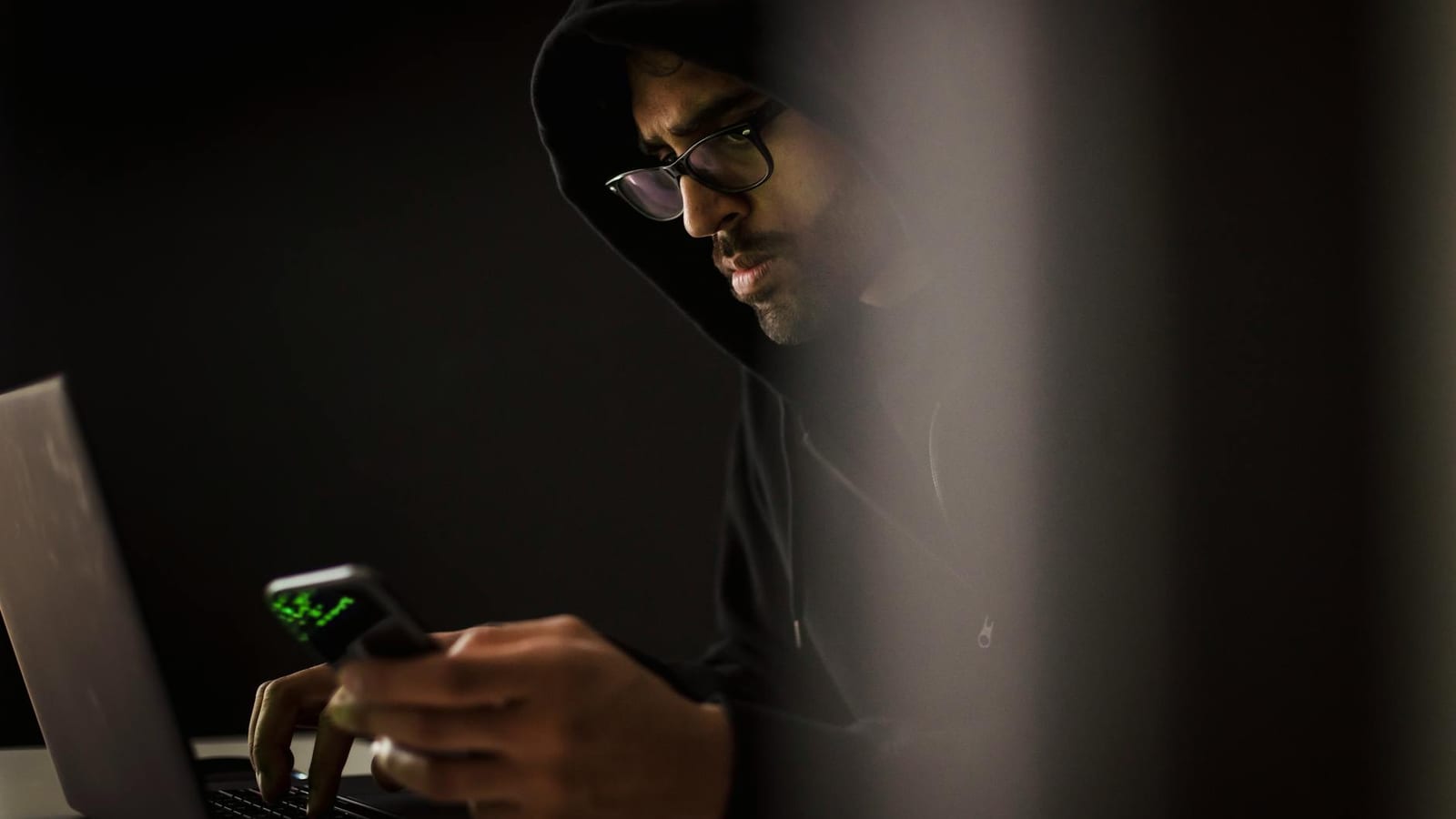
A Pune entrepreneur lost ₹7 crore after a dating app chat turned into an investment trap. That one line tells you plenty about modern city risk.
Pune is not short of ambition. It has metro trains, flyovers, IT parks, factories, hospitals, and a rising middle class. But the latest city updates show a familiar problem. Growth is moving faster than trust, safety, and basic public systems.
The stories look separate at first. A cyber fraud here, a flyover accident there, water inside a metro coach, civic officers seeking political help, and patients paying heavily from their own pockets. Put them together, and you see the real cost of a city under pressure.
Cyber fraud hits business confidence
The sharpest business story is the ₹7 crore cyber fraud involving an entrepreneur. Police said the fraud began through a dating app connection. The victim was then shown returns on a fake app and pushed to deposit money into bank accounts.
This is not the old lottery scam anymore. Fraudsters now use emotional trust, slick apps, and fake dashboards. The victim sees profits on screen, but the money has already moved elsewhere.
For business owners, this cuts deeper than personal loss. Entrepreneurs often move money quickly. They deal with vendors, banks, informal networks, and online platforms daily. That makes them attractive targets.
The lesson is blunt. Digital India has made payments easy, but it has also made fraud scalable. A scammer does not need an office or a city address. A convincing app and a patient conversation can do enough damage.
Police action after the loss matters. But prevention matters more. Banks, app stores, payment firms, and cyber cells need faster warning systems. By the time a victim files a complaint, the money trail may already be cold.
Infrastructure grows, doubts remain
The accident on the Rakshak Chowk flyover came just a day after its opening. Police and local reports said a car overturned because of a steep slope on the Aundh-Ravet BRT road stretch.
For commuters, this is not a technical debate. A new flyover should reduce stress, not create fear on day two. When such incidents happen immediately after launch, people ask the obvious question. Who checked the design?
Pune Metro also faced public attention after a video showed water leaking inside a coach. Metro officials said the leak did not come from rainwater. They blamed a technical fault in the air-conditioning system.
That explanation may be valid. But passengers judge public transport by experience, not engineering notes. If water drips inside a coach during rain, trust takes a hit.
Cities like Pune need mass transport desperately. Roads are packed. Office commutes drain hours. Fuel costs pinch households. A reliable metro can change daily life for students, workers, and small business staff.
But reliability is built through boring things. Maintenance, testing, clear communication, and quick repairs matter as much as ribbon-cutting. A city cannot market infrastructure first and fix confidence later.
Civic governance faces old pressures
Pune Municipal Corporation Commissioner Naval Kishore Ram transferred engineers as part of administrative changes. Some officials then approached ruling BJP leaders to get those transfers cancelled.
This is an old Indian civic story, but it still matters. Transfers decide who controls files, project approvals, inspections, and local works. In a fast-growing city, those files carry serious money.
If every administrative move becomes a political negotiation, city planning suffers. Honest officers lose authority. Citizens lose clarity. Contractors learn to read power signals instead of rules.
The Ganeshkhind Road dispute adds another layer. Former MP Vandana Chavan accused the civic body of lacking an integrated plan for the VIP road, while raising concerns over tree cutting and widening.
Ganeshkhind Road is not just a traffic corridor. It carries daily office movement, institutional traffic, and political attention. Any widening project affects commuters, trees, shops, pedestrians, and nearby residents.
Road widening often sounds simple. More road means less traffic, people assume. But cities have learnt the hard way that wider roads can invite more vehicles. Without footpaths, public transport links, and junction planning, congestion returns quickly.
That is why an integrated plan matters. It means the city looks at traffic, trees, drainage, utilities, bus movement, and pedestrian safety together. Without that, every department solves one problem and creates two more.
Public costs land on citizens
One striking health update said patients bear 90 percent of treatment costs from their own pockets. Even without more details, the number points to a painful truth. For many families, illness is still a financial shock.
A hospital bill can wipe out savings faster than a job loss. Middle-class families delay tests. Lower-income families borrow. Small shop owners keep working through illness because a day shut means lost income.
This is where business and public policy meet. A city’s economy depends on healthy workers, predictable commutes, safe roads, and trustworthy digital systems. When these fail, ordinary people pay first.
The same pattern appears in crime updates too. Police arrested accused persons in cases involving a hammer attack on a company manager, gangs using sickles, and theft. In Pimpri-Chinchwad and nearby industrial belts, law and order is not an abstract issue.
Factories need workers to travel safely. Managers need confidence to enforce discipline. Suppliers need predictable routes. Small units cannot absorb repeated disruption.
Pune’s strength has always been its mix. It is an education hub, an auto and engineering base, a tech centre, and a services city. But that mix also creates pressure. Migrants arrive for work. Roads fill up. Housing spreads outward. Digital transactions multiply. Civic systems must keep pace.
The latest Pune updates are not one single crisis. They are signals. A cyber scam tells us trust is fragile. A flyover accident warns that construction quality matters. A metro leak shows maintenance will decide public confidence. Transfer politics reminds us governance still needs spine. High medical costs show families remain exposed.
For ordinary readers, the point is simple. A city’s progress is not measured only by new projects or big numbers. It is measured by whether people can travel safely, use digital tools without fear, get treatment without ruin, and trust public decisions. Pune has the money, talent, and civic energy to get there. The next test is whether its systems can grow up as fast as the city has.