Pune Night Vendors Face 10 PM Closure Drive This Week
Pune authorities are tightening late-night activity, putting food carts, paan shops and small sellers under pressure as closures begin by 10 pm.
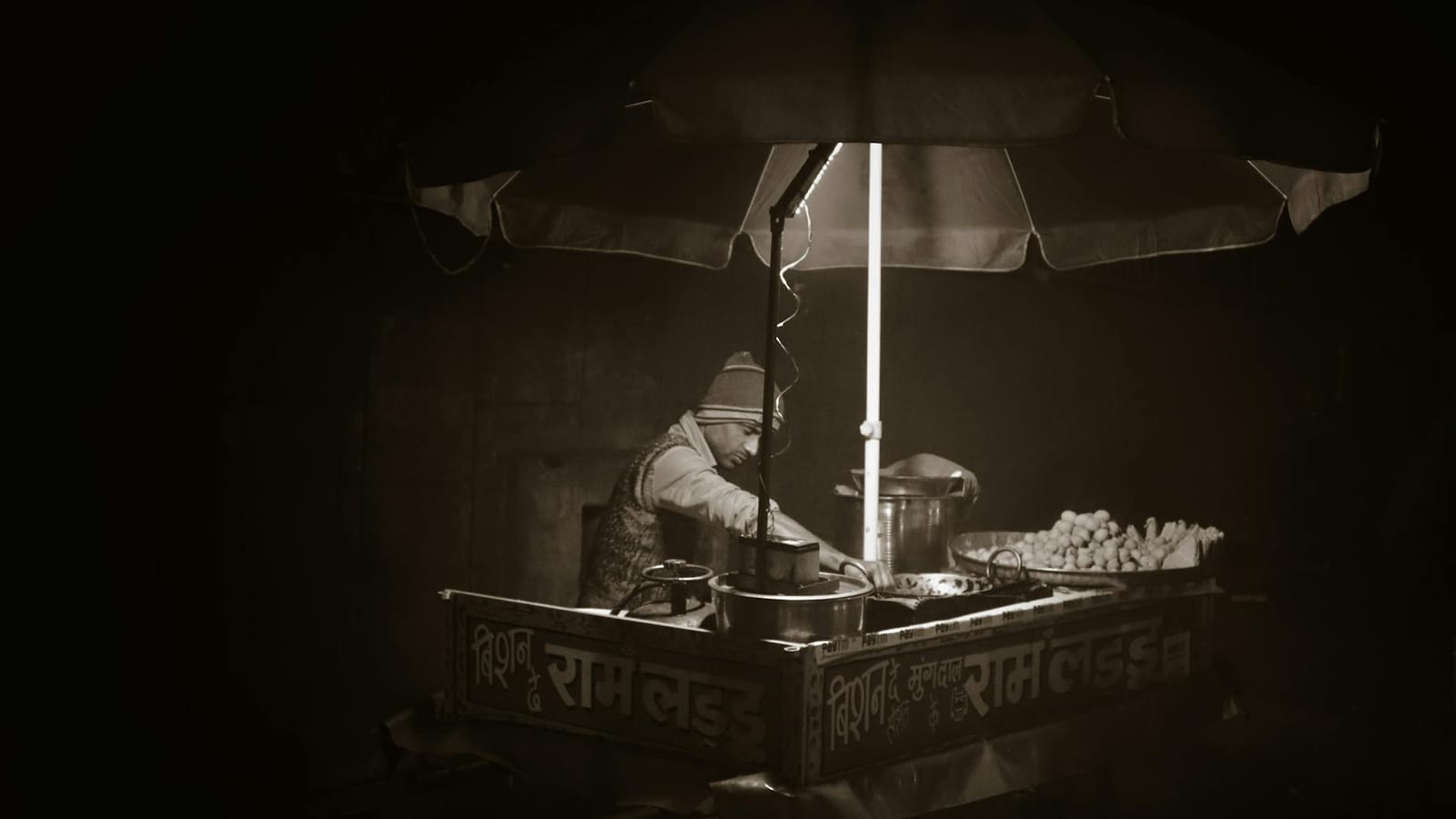
By 10 pm, Pune’s small night economy may start packing up earlier than usual.
For thousands who earn from tea stalls, food carts, paan shops, late snacks, fuel pumps, buses, and railway platforms, this is not just city news. It is the daily cash register, the commute home, and the uneasy question of safety after dark.
Pune is seeing a busy civic week. Authorities are tightening night activity, railway schedules face disruption, a fuel-sale rumour triggered panic, and several crime and accident cases have kept police on edge.
Night trade faces tighter rules
City authorities have begun acting against Pune’s late-night activity, with paan shops and food carts asked to shut by 10 pm.
That single timing change can hit small sellers harder than large outlets. A food cart does much of its business after office hours. A tea stall near a bus stop depends on students, drivers, security guards, and shift workers.
For residents, the action may look like a law-and-order push. For street vendors, it can feel like losing the best earning window of the day.
The larger question is familiar in Indian cities. How does a city grow into a services hub, yet manage noise, crowds, alcohol-linked trouble, and street safety?
Pune has lived with this tension for years. Its IT workforce, college population, and migrant workers keep the city awake longer than older policing systems were designed for.
Fuel rumour rattles Pimpri-Chinchwad
In Pimpri-Chinchwad, a fake government notice at a Nigdi petrol pump caused needless alarm.
The board claimed fuel sales had been limited. That was enough to send people rushing to petrol pumps, fearing shortage.
The petrol pump association later said the notice was fake. But by then, the damage was done. In cities, panic spreads faster than clarification.
This matters for businesses because fuel anxiety hits everyone quickly. Delivery riders, cab drivers, small transporters, school vans, factory workers, and daily commuters all depend on predictable fuel supply.
Even a rumour can create queues, lost hours, and higher stress. For small firms, that means delayed deliveries and missed customer commitments.
The episode also shows how fragile public trust has become. A board at one petrol pump can now look official enough to move a crowd.
Authorities will need to treat such misinformation as more than a prank. In an industrial belt, false fuel messages can disturb work shifts and factory logistics.
Rail work changes travel plans
Rail passengers also face disruption because of doubling work on the Daund-Manmad railway route.
Railway authorities have planned a special block from May 28 to May 30. Several express trains will either remain cancelled or run on changed routes.
Track doubling sounds technical, but the idea is simple. When a route has more line capacity, trains can move with fewer bottlenecks.
In the long run, that helps passengers and freight. It can also improve movement between Pune, Ahmednagar, Nashik belt, and onward routes.
But in the short run, passengers pay the price. Families may need to change bookings. Workers who travel between towns must plan extra time. Traders moving goods by rail may face uncertainty.
This is where public communication becomes crucial. A cancelled train is not just a line in a railway notice. It can upset a hospital visit, a job interview, or a wedding journey.
For businesses, the route matters because western Maharashtra and north Maharashtra share trade links. Small traders often depend on predictable rail movement to keep costs low.
If the railway upgrade stays on schedule, the inconvenience may prove worthwhile. But passengers will judge it by how clearly authorities manage these three days.
Voter list drive begins
The district administration said a special intensive revision of voter rolls will take place under the directions of the Election Commission of India.
Officials said the exercise will cover about 91.16 lakh voters in the district.
That is a large number, even for a fast-growing district like Pune. It reflects how much the city and surrounding areas have changed.
People move for jobs, education, housing, and factory work. Names remain at old addresses. New residents miss enrolment. Some voters discover errors only near polling day.
A cleaner voter list is basic civic infrastructure. It may not sound exciting, but it shapes who gets heard.
For young professionals, tenants, migrant workers, and newly married citizens, the revision can decide whether they vote smoothly or run from office to office.
For political parties, accurate rolls matter because Pune district now contains many different voter groups. IT workers, farmers, factory labour, students, and old-city families do not vote with one mind.
The district administration’s real test will be access. A revision drive must reach people where they live, work, and study.
Crime and safety dominate the week
Police and jail authorities are also dealing with sensitive law-and-order cases.
Bandu Andekar, accused of provoking revenge from prison after the Vanraj Andekar murder, will now appear before court through video conferencing for security reasons.
That move shows how seriously authorities view the risk around gang-linked cases. It also reduces the security burden of physically moving an accused person to court.
Elsewhere, accidents and assaults have deepened public concern. Near Dingore village on the Ahilyanagar-Kalyan highway, four young men died after a collision involving an MSRTC bus.
Such accidents leave families shattered, but they also raise harder questions about road safety. Highways near growing towns often carry buses, two-wheelers, trucks, and pedestrians in the same chaotic space.
In Pimpri-Chinchwad, police reported several separate crime incidents. These included an attack with a sickle in Kalewadi and an assault on a senior citizen by a group searching for a woman.
Police also arrested a 43-year-old bouncer after a 24-year-old woman complained of obscene behaviour near a BRT bus stop in Chinchwad. Investigators checked CCTV footage before making the arrest.
In rural Pune, police arrested two people in a firing case involving a hotel operator in Velha. Another case in Loni Kalbhor involved alleged cheating of a woman of ₹16 lakh.
Each case has its own facts. But together, they feed a wider feeling that fast-growing areas need faster policing.
For business owners, safety is not an abstract issue. A hotel owner, shopkeeper, transport worker, or woman commuting after work all make choices based on trust.
Pune’s challenge now is not only to grow, but to govern that growth properly. Night trade, rail upgrades, voter rolls, fuel rumours, and crime may look like separate stories. For ordinary people, they are part of the same daily bargain: earn, travel, vote, and return home safely.