Ruchita Jadhav Builds Rental Business With 100 Villas
Marathi actor Ruchita Jadhav has expanded into vacation rentals, turning over 100 Maharashtra bungalows into a hospitality business.
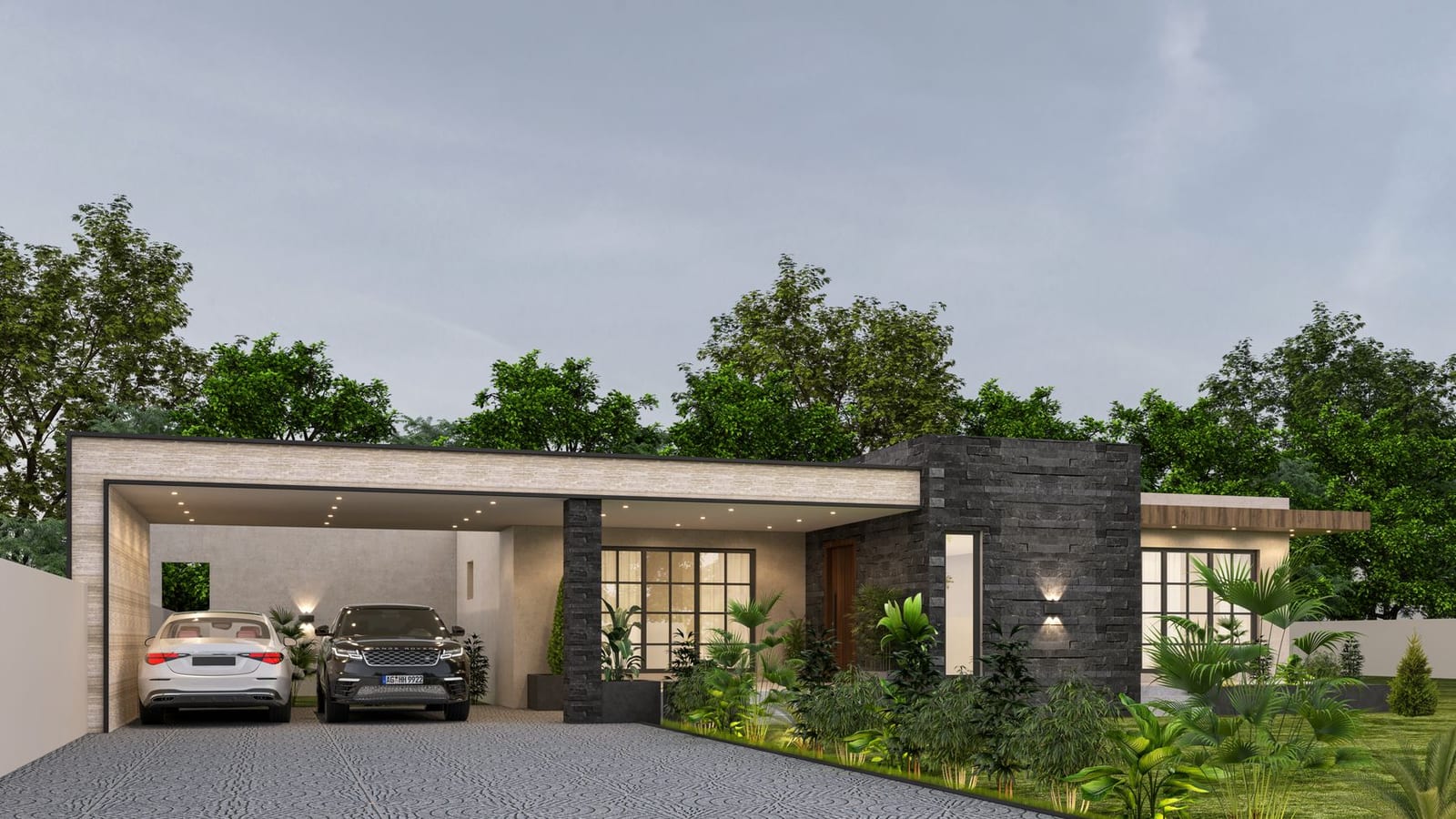
A weekend home looks like leisure from the outside. For Ruchita Jadhav, it has become the centre of a serious business.
The Marathi actor, known for shows like Love Lagna Locha, has moved away from regular screen work. She now runs a vacation-rental business built around more than 100 bungalows across Maharashtra’s holiday belt.
That number is the real story here. In a market where many families struggle to buy one home, Jadhav is trying to turn a large property base into a hospitality platform.
How the bungalow business works
Jadhav has said her husband, Anand Mane, works in real estate and builds weekend homes. In some projects, the family kept one bungalow for itself.
Over time, that created a pool of properties. Instead of letting them sit idle, Jadhav decided to rent them out.
She said the family also had other assets. Her parents own hostels in Pune and shops that earn rent. So, property as income was not new to her.
What changed after marriage was scale. Jadhav saw bungalows in tourist markets and chose a hospitality route.
She furnished the homes, added comforts, and made them suitable for short stays. Some properties now include amenities like swimming pools.
The idea is simple. A family from Mumbai or Pune wants a weekend break. They may prefer a private bungalow over a hotel room.
That is where this model fits. It sells space, privacy, and a homely feeling, but with hotel-like convenience.
Maharashtra’s weekend travel belt
Jadhav said she has seven to eight bungalows in Mahabaleshwar. She also has several properties in Karjat, Lonavala, and Alibag.
These are not random choices. They sit in the weekend economy of Mumbai and Pune.
Mahabaleshwar attracts families seeking cooler weather. Karjat works for quick group trips. Lonavala remains a default monsoon and holiday market. Alibag has benefited from better road and ferry access.
For property owners, these places offer a useful mix. The home can serve as a personal getaway. It can also earn rent when the owner does not use it.
That sounds easy, but it is not passive income. Guests expect clean rooms, working pools, staff support, security, and quick service.
A broken air conditioner can ruin a weekend. A dirty pool can damage ratings. A late check-in can cost repeat business.
That is why Jadhav’s move from ownership to operations matters. She is not only holding property. She is trying to run an organised rental company.
From actor to operator
Jadhav’s entertainment career gave her visibility. She appeared in Marathi television shows and films, and also acted in a Hindi historical serial.
But celebrity attention alone does not fill bungalows every weekend. The product still has to work.
The rental business needs pricing, maintenance, booking systems, guest checks, and local staff. It also needs trust, especially when families book online.
Jadhav has said the business began as a small company and is now growing. She also said an app is being planned.
That app, if it arrives, will be a key test. Many small rental operators depend on phone calls, WhatsApp, and listing platforms.
An app can give the company control over bookings and customer data. It can also reduce dependence on middlemen.
But an app is useful only if the supply is reliable. Guests do not return because of a glossy screen. They return because the stay matched the promise.
The real estate lesson
This story also says something about how wealthy property owners view real estate now.
Earlier, a second home often worked as a status purchase. Families bought it, visited a few times, and locked it for most weekends.
That logic has changed. High maintenance costs push owners to find income. Travel habits have also changed after the pandemic.
Many urban families now like private stays. They want kitchens, lawns, pools, and space for children or senior citizens.
For a business owner, that creates an opportunity. The same bungalow can be both lifestyle asset and earning asset.
Still, the risks are real. Seasonal demand can swing sharply. Monsoon weekends may sell fast, but weekdays can remain quiet.
Local rules can also become tighter. Residents in holiday towns often complain about noise, parties, traffic, and waste.
If this segment grows, operators will need cleaner contracts and better compliance. They will also need trained staff, not just attractive properties.
That is where the business becomes more than real estate. It starts looking like hospitality, with all its daily headaches.
Why this story connects
For ordinary readers, Jadhav’s move carries two messages.
The first is about wealth. A portfolio of more than 100 bungalows sits far outside normal middle-class reach.
The second is about work. Even inherited or family-built assets need a business plan to produce income.
That is the part worth watching. Jadhav did not only say she owns property. She explained how she is converting it into rented holiday stays.
For small hotel owners and homestay operators, this kind of organised competition can cut both ways.
It can bring more tourists into these destinations. It can also raise service expectations and marketing costs.
A kirana store owner in a hill town may benefit from more weekend visitors. A local caretaker may find steadier work.
But unmanaged growth can strain roads, water supply, and neighbourhood peace. Holiday money rarely arrives without side effects.
Jadhav’s next step will depend on execution. If the app, service quality, and property upkeep work together, the company can grow beyond celebrity curiosity.
For readers, the larger point is clear. In today’s India, property no longer just sits in family files. The smart money wants it to earn every weekend.