Surat drone makers scale up as Army demand jumps
A Surat drone unit's quick Army order signals a wider defence manufacturing opportunity for Gujarat suppliers amid rising demand for low-cost drones.
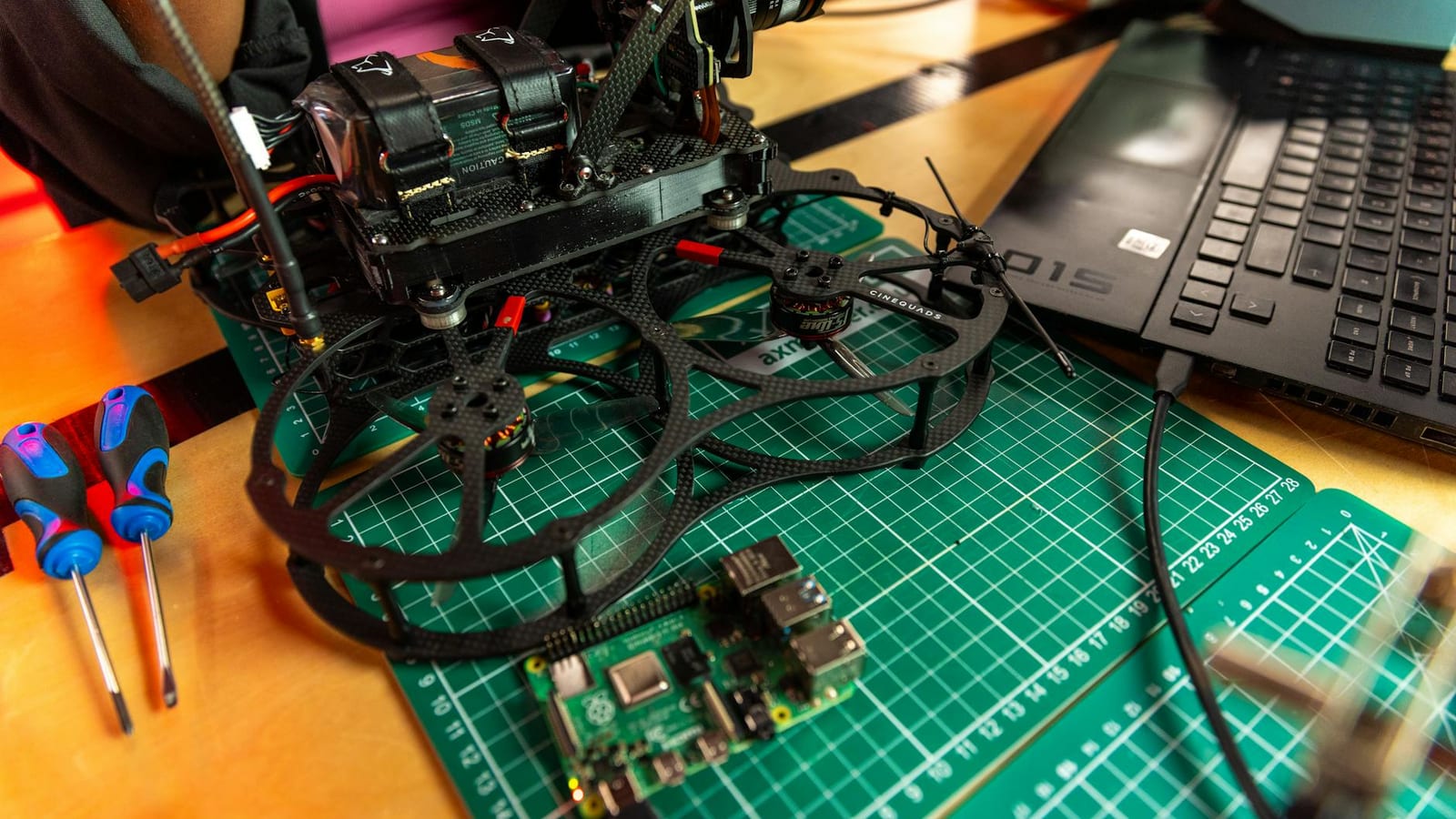
A ₹2 lakh drone can now make a ₹15 crore missile look like an expensive habit.
That is the blunt lesson coming out of Surat, where a local drone unit has reportedly completed a ₹10 crore order for the Indian Army in just two months. The trigger is simple. In conflict zones, small attack drones have become cheap, quick, and brutally effective.
For factory owners, engineers, and component suppliers in Gujarat, this is not just a defence story. It is a business signal. A new market is opening, and it rewards speed as much as scale.
Surat finds a defence opening
The reported order involves suicide drones, also called one-way attack drones. The name sounds harsh, but the idea is easy to understand. The drone flies towards a target and destroys itself on impact.
The demand for such drones has reportedly risen seven times during conflict conditions. That kind of jump changes how small manufacturers think. A product once seen as experimental can suddenly become urgent.
Surat is better known for diamonds, textiles, and trading instinct. But the city also has a sharp manufacturing culture. Small units know how to turn orders around quickly, cut waste, and work under pressure.
That matters in defence supply. A large missile system takes huge money, time, and planning. A small drone needs cheaper parts, faster assembly, and skilled technicians who can keep improving the design.
The reported comparison is striking. One missile can cost around ₹15 crore. A Surat-made drone can cost about ₹2 lakh. The two are not perfect substitutes, but the price gap explains the interest.
For the armed forces, this is about options. No military wants to waste a costly weapon on every small target. Cheap drones give commanders another tool in the kit.
Why cheap drones matter
The business case sits inside a larger military shift. Wars are showing that size alone no longer decides battlefield value. A small flying machine can spot, chase, or hit a target with surprising accuracy.
That has forced defence buyers to think differently. Earlier, serious military hardware meant big platforms, long contracts, and a few giant suppliers. Drones have widened the field.
A good drone needs electronics, batteries, sensors, motors, software, and a reliable frame. Many of these skills already exist in India’s industrial clusters. The challenge is to meet defence standards, not just build a flying gadget.
For a small manufacturer, a ₹10 crore order can change everything. It can pay for better machines, trained workers, testing equipment, and more engineers. It can also bring credibility with banks and future buyers.
But this is not easy money. Defence orders demand discipline. A drone that works in a demo may fail in heat, dust, wind, or electronic interference. The buyer will care less about claims and more about performance.
There is also a supply chain question. Motors, chips, cameras, and battery cells often depend on imports. If global supply tightens, a local factory can face delays even with a confirmed order.
That is where the real test begins. India can assemble drones fast. The bigger task is to build more of the critical parts at home.
Small factories, bigger stakes
For ordinary workers, this new demand can mean more skilled jobs. Drone assembly needs technicians who can solder, test circuits, handle batteries, and check software. It also needs machinists and quality inspectors.
That is different from low-skill factory work. A young diploma holder in an industrial city can find a serious career path here. The pay may improve if companies keep getting defence and export orders.
Suppliers can benefit too. A unit making carbon-fibre parts, wiring harnesses, moulds, or battery packs may suddenly find a new customer base. In a city like Surat, that can spread money beyond one factory.
Still, the defence drone business has risks. Orders can rise sharply during tension and slow when urgency falls. Small firms that expand too fast may get stuck with machines and staff they cannot support.
There is another uncomfortable question. Who sets the safety rules? These drones are weapons, not toys. Manufacturing, testing, transport, and storage need strict checks. One careless corner can cause damage before the product reaches the battlefield.
The government will also need to watch quality claims. A rush of demand can attract serious builders and quick-buck operators. Defence procurement cannot afford glossy brochures with weak engineering underneath.
For buyers, the cheapest drone is not always the best drone. Reliability matters. So does guidance, range, resistance to jamming, and safe handling. A ₹2 lakh figure grabs attention, but battlefield value depends on the full system.
The Make in India test
This is where Make in India faces a practical exam. Slogans do not build military capability. Consistent orders, clear standards, testing ranges, and patient funding do.
If India wants drone clusters to grow, procurement must give firms visibility. A manufacturer cannot invest in better equipment if every order feels like a one-off emergency.
The armed forces also need fast feedback loops. If soldiers find a design flaw, manufacturers must fix it quickly. That relationship can turn small firms into serious defence suppliers.
Surat’s reported two-month delivery shows what Indian manufacturing can do under pressure. But speed should not hide the hard questions. Can the same unit deliver again? Can it maintain quality at higher volumes? Can it reduce imported parts?
These questions decide whether this becomes a lasting industry or just a brief wartime spike. India has seen many sectors where early promise faded because the ecosystem did not mature.
There is a market beyond the army too. Drones serve policing, disaster response, border monitoring, farming, mining, and industrial inspection. But military drones sit in a different category because they demand higher trust.
For investors, the temptation will be strong. Defence technology sounds exciting, and small drones look affordable. But this sector needs patience. Certification, testing, and procurement cycles can be slow.
For the public, the story is simpler. Indian factories are moving into areas once dominated by foreign suppliers and large defence contractors. That can save money, create jobs, and give the country more control during crises.
The ₹2 lakh drone will not replace every ₹15 crore missile. It should not. But it shows how warfare, industry, and public spending are changing together. The next big defence shift may not begin in a giant shipyard or missile lab. It may begin on a modest factory floor, where engineers are learning that affordability can also be a form of power.