Surat EV Sales Double as Fuel Worries Lift Demand
Surat's electric vehicle sales more than doubled in March-April as fuel supply pressure pushed commuters and delivery workers toward scooters.
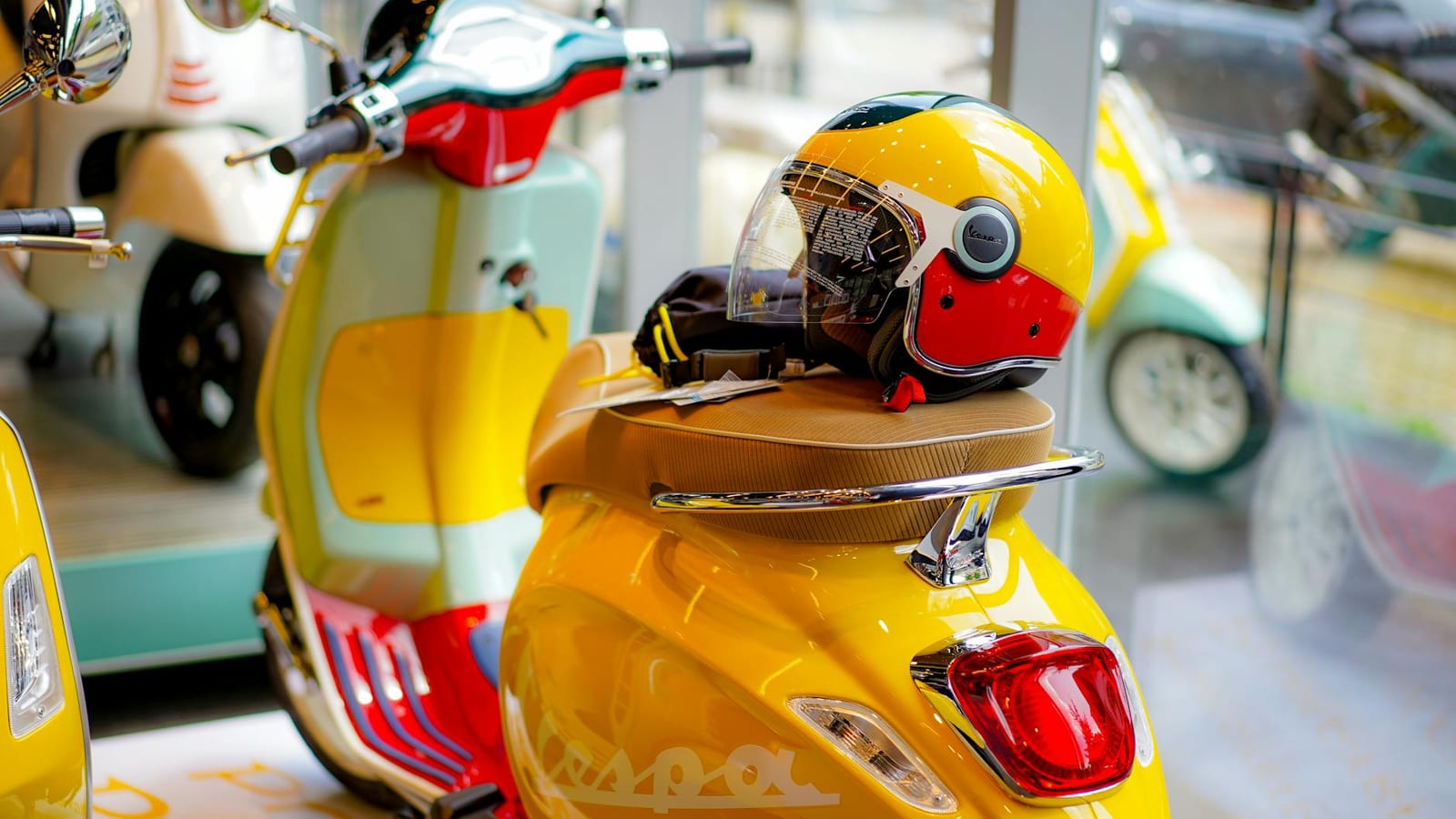
In Surat, the fuel queue has become an unlikely showroom for the electric scooter.
With petrol and diesel supplies under pressure, buyers in the city have moved faster than usual. Local sales data says Surat sold nearly eight electric vehicles every hour in March and April. That is not a small lifestyle shift. It is a pocketbook decision.
For many families, the maths is now brutally simple. If fuel is costly, uncertain, or both, the daily commute starts looking different. A scooter that charges at home suddenly feels less like a green choice, and more like common sense.
Surat’s EV rush gathers speed
The March-April period broke earlier sales records in Surat, with electric vehicle sales more than doubling in two months. The sharp rise came while fuel availability and prices stayed on people’s minds.
That matters because Surat is not a slow city. It runs on diamond workers, textile traders, delivery riders, students, and small business owners. These are people who count daily travel costs closely.
For a salaried commuter, even ₹100 saved every few days adds up. For a delivery worker, the difference can decide the month’s margin. For a small trader, lower running cost means more room in a tight budget.
The appeal is strongest in two-wheelers. They are cheaper to buy than electric cars, easier to charge, and fit India’s daily mobility habits. A family that owns one petrol scooter can replace it without changing its life too much.
Petrol pinch changes buyer behaviour
Fuel price anger is not new in Gujarat. What looks new is how quickly buyers are turning that frustration into a purchase.
When people stand in long fuel lines, they do not think in abstract policy terms. They think about school drop-offs, office shifts, shop opening hours, and delivery deadlines. That is where electric vehicles gain emotional force.
The state’s 5 percent tax relief has also helped. It lowers the upfront cost, which remains the biggest barrier for many buyers. In simple terms, the government is shaving a small part off the entry price.
That discount alone does not sell a vehicle. But it can nudge a hesitant buyer. When petrol feels expensive and the dealer offers a lower effective price, the decision becomes easier.
There is another reason behind the rush. Electric scooters now look less experimental than they did a few years ago. Buyers see them in apartment parking lots, office basements, and market lanes. That visibility builds trust.
Still, trust remains uneven. Many buyers still ask about battery life, resale value, service centres, and fire safety. These are fair questions. A vehicle is not a phone. If it fails, your whole day can collapse.
Dealers and workers feel the shift
For dealers, the March-April jump is a welcome change. But it also brings pressure. They need enough stock, trained mechanics, and quick spare parts. A showroom can sell a dream in one afternoon. Service decides whether that dream survives.
This is where the EV story becomes more serious. India has seen many vehicle trends arrive with great noise, then struggle at the service level. Buyers forgive a software update. They do not forgive a scooter stuck for weeks.
Local mechanics also face a turning point. Petrol scooters have supported thousands of repair shops for decades. Electric vehicles need a different skill set. Battery checks, controller issues, wiring faults, and charging systems require new training.
That shift can create new jobs, but not automatically. Small garages must learn quickly, or larger branded service networks will take the work away. For young technicians, EV repair could become a solid skill. For older workshops, it is a warning bell.
Suppliers also enter the picture. A city like Surat depends on fast movement. If delivery fleets, textile runners, and local vendors move to electric two-wheelers, charging access becomes business infrastructure. It is no longer just a home appliance issue.
Apartment societies will face this first. One or two chargers are easy. Twenty scooters charging every night need planning. Poor wiring, informal extensions, and overloaded sockets can turn savings into risk.
The hidden questions remain
The sales boom tells us one thing clearly. People are ready to consider electric mobility when the economics make sense. But a boom in sales does not solve every problem.
Charging remains the biggest daily concern. Home charging works well for people with private parking. It is harder for renters, shared housing residents, and workers who park on narrow streets. India’s EV push cannot depend only on middle-class apartment blocks.
Battery replacement is another issue. Buyers often focus on purchase price and monthly savings. They must also understand long-term battery cost. If the battery weakens after years of use, replacement can be expensive.
Then comes electricity cost and supply quality. Charging at home is cheaper than buying petrol, but it still needs steady power. In areas with voltage problems, customers need proper chargers and safe wiring.
There is also the question of resale value. Petrol scooters have a familiar second-hand market. Electric scooters are still building one. Buyers will need clearer information on battery health before used EVs become fully trusted.
For policymakers, the lesson is plain. Tax relief helps, but the next phase needs charging points, safety checks, mechanic training, and honest consumer information. Without that, the market may grow fast but unevenly.
For companies, this is a chance and a test. They cannot treat Surat’s rush as just a sales number. They must prove that their vehicles can survive heat, dust, rough roads, and heavy daily use.
Surat’s EV surge may have started with fuel pressure, but it will not end there. If the scooters keep running, if service stays reliable, and if charging becomes easier, this could become a lasting shift. For ordinary readers, that means the next vehicle decision may not be about ideology at all. It may simply be about which machine hurts the wallet less every morning.