Tata Chemicals Faces Gujarat Court Heat Over Sanctuary
Gujarat High Court has ordered a damage assessment linked to Tata Chemicals and sought compensation if marine sanctuary harm is proven.
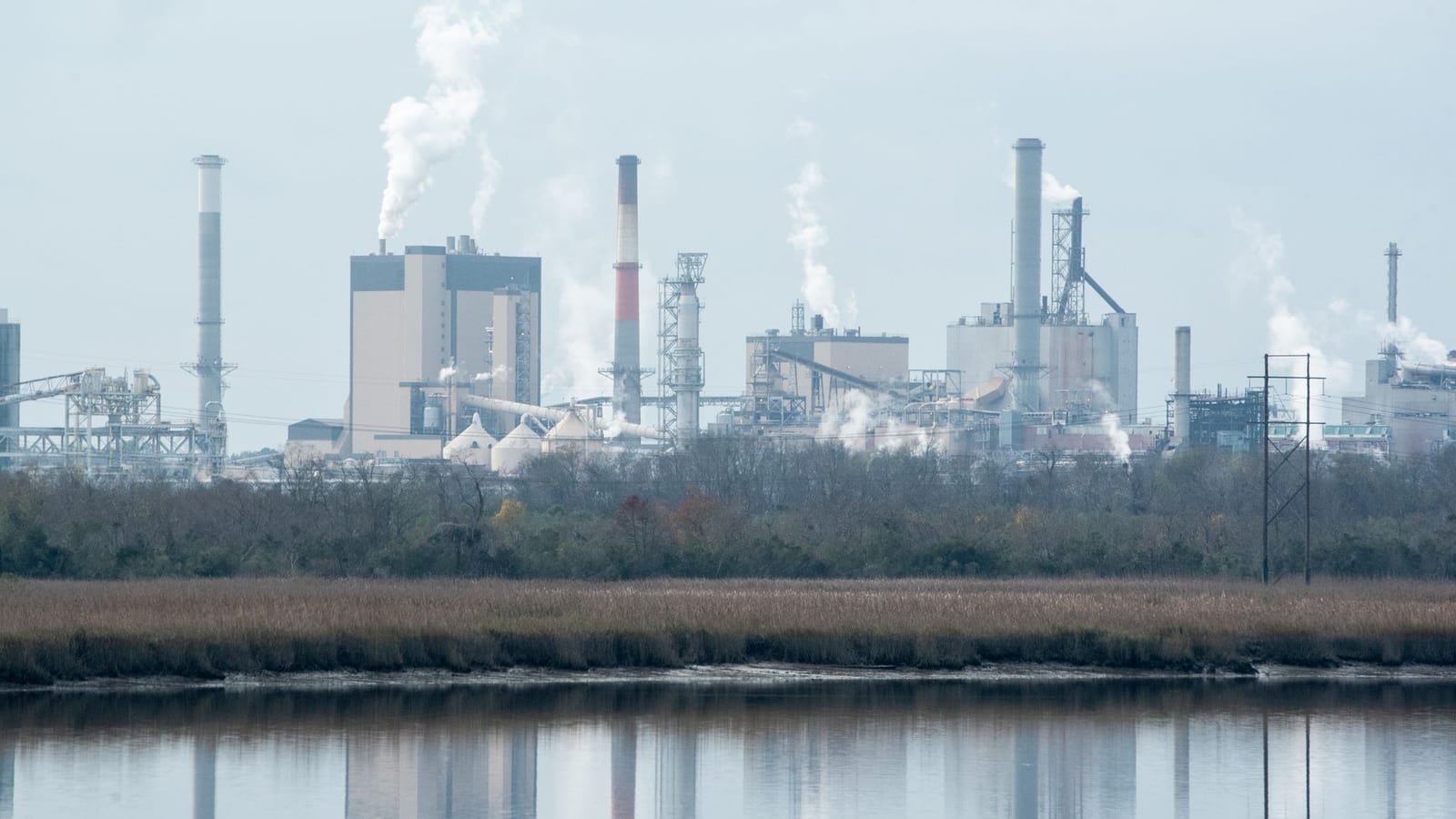
A court order can look like paperwork until it reaches a factory gate.
For Tata Chemicals Limited, that paperwork now carries a sharp message from the Gujarat High Court. The court has taken a hard view of alleged damage to a marine sanctuary and asked authorities to assess the loss within three months.
The line that will worry boardrooms is simple. If the damage is serious, compensation must follow. The court also pointed to tough action, including possible steps against industrial operations.
Court puts industry on notice
The Gujarat High Court has directed officials to assess environmental damage linked to Tata Chemicals within three months. It also asked that compensation be recovered after the assessment.
That matters because this is not just another compliance argument. A marine sanctuary is not vacant land. It supports fishing, biodiversity, coastal livelihoods, and the fragile balance of salt water ecosystems.
The court’s reported observation was unusually severe. It said the sanctuary had been reduced to something like a “black desert”. That phrase tells us how strongly the bench viewed the situation.
For companies, such language changes the mood of a case. It moves the issue from paperwork to accountability. It also tells regulators that delay will not pass quietly.
Why a sanctuary matters
A marine sanctuary may sound far from daily business. It is not. Coastal ecosystems quietly support thousands of working lives.
Fishermen depend on healthy breeding zones. Small traders depend on the fish that reaches local markets. Families in coastal towns depend on clean water, safe shores, and steady livelihoods.
When industrial pollution damages such areas, the first victims rarely sit in corporate offices. They are usually workers, small suppliers, fisher families, and local shopkeepers.
This is why the court’s timeline matters. Three months is not a casual deadline. It pushes the state to move from complaint to measurement.
Damage assessment is the key step. Officials must identify what happened, how much harm occurred, and who should pay. Without that, environmental cases often remain stuck in files.
Compensation is only one part
The High Court has also referred to stricter measures, including action that could affect operations. That is the part industry will watch closely.
A compensation order hurts the balance sheet. But operational restrictions can affect production, supply chains, contracts, and jobs. That makes this case important beyond one company.
Tata Chemicals has a long industrial history in Gujarat. Large plants create employment and support many smaller businesses. Transporters, contractors, canteens, repair shops, and vendors often depend on such units.
But that argument cannot become a shield. India has seen this pattern before. Industry brings jobs, then local communities bear pollution costs for years.
The court’s message appears to be that business cannot treat environmental damage as a small side cost. If a company benefits from natural resources, it must also answer for harm.
The larger Gujarat signal
Gujarat has built its economy on industry, ports, chemicals, energy, and manufacturing. That model has delivered jobs, investment, and exports.
But it has also created pressure on land, water, and coastal systems. Industrial growth along sensitive areas always carries a hard question. Who gets the profits, and who lives with the damage?
This case lands exactly at that intersection. It is not anti-industry to demand cleaner operations. In fact, serious investors now expect it.
Global buyers increasingly ask companies about pollution, water use, emissions, and local impact. Banks also look harder at environmental risk. A court case can quickly become a business risk.
For shareholders, the issue is not only morality. It is also predictability. A company that ignores environmental duties may face fines, shutdowns, delays, and reputational damage.
For ordinary people, the issue is more direct. If a coastal ecosystem suffers, livelihoods shrink. Fish catches fall. Local health risks rise. Young people migrate for work.
What happens next
The next three months will be crucial. Authorities must complete the assessment and place clear findings on record.
The important question is whether the process stays technical and transparent. A vague report will help nobody. A careful assessment can show the scale of damage and the cost of repair.
The company’s response will also matter. A defensive legal line may protect it for a while. But a serious clean-up plan can reduce long-term risk.
This is where Indian business has to grow up. Compliance cannot mean passing inspections on paper. It must mean proving that operations do not quietly damage public resources.
Courts can push accountability, but regulators must do the daily work. They must monitor, measure, publish findings, and act before damage becomes permanent.
For coastal communities, the case is about more than one order. It asks whether India can build factories without sacrificing the people and ecosystems around them.
The answer will not come from slogans. It will come from clean audits, strict enforcement, and companies that treat nature as a real cost. That is what ordinary readers should watch next.