Videocon's debt spiral ends India's TV pioneer era
Videocon's rise from colour TVs to home appliances ended in a debt-led collapse that shows how borrowing overwhelmed the household brand.
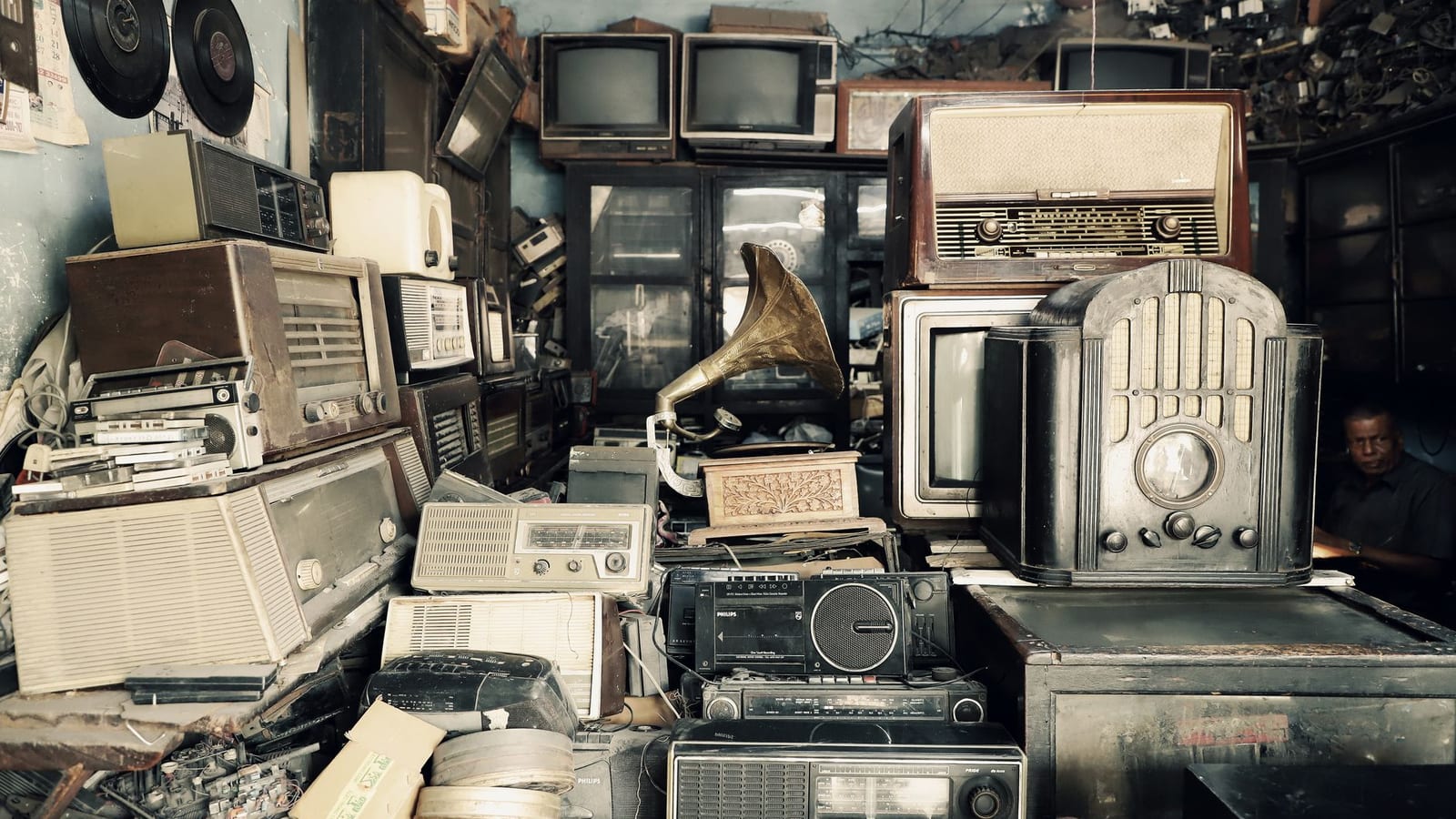
For many middle-class homes, Videocon was not just a TV brand. It was Sunday cricket, film songs, and family arguments over the remote.
That is why the fall of Videocon Industries Limited still feels larger than one company’s collapse. It is the story of an Indian brand that entered homes before foreign electronics giants became household names.
It is also a warning about debt. A business can sell dreams for decades, then lose oxygen when borrowed money starts calling.
From colour TV to household name
Vengopal Dhoot came from a family that had dealt in cotton and Bajaj scooters. His father, Nandlal Madhavlal Dhoot, laid the base for the group in Ahmednagar in 1984.
Dhoot set up Videocon International in 1986, just as colour television was changing Indian living rooms. Doordarshan’s colour broadcasts had created a new hunger. Families wanted a TV that made cricket and cinema feel alive.
Videocon read that mood early. The company first aimed to make about 1 lakh TV sets a year. For that period, it was an ambitious bet.
The brand then moved into refrigerators, washing machines, air conditioners and home entertainment systems. It also tied up with Toshiba Corporation in the 1990s, when Japanese technology still carried huge trust.
At its peak, Videocon had factories in India and abroad, including China, Mexico, Poland and Italy. For dealers, suppliers and small-town showrooms, the company meant steady business.
The expansion that stretched too far
The trouble began when ambition stopped looking like discipline. Videocon moved beyond electronics into telecom, oil and power. Each business needed heavy capital, patient funding and deep pockets.
That is where debt became dangerous. The group borrowed heavily from banks, including ICICI Bank Limited and State Bank of India. Reports put total bank loans at about ₹40,000 crore.
The wider debt burden later climbed close to ₹90,000 crore across Videocon group companies. That is not a number ordinary readers meet daily. Think of it as years of earnings pledged before the company even opened shop each morning.
One major bet involved oil assets in Mozambique. Such projects can reward companies well, but they can also swallow money before returns arrive. Videocon’s oil push did not rescue the group.
Telecom added more pressure. When larger, better-funded players entered aggressively, Videocon could not match the scale. The company had entered a business where price wars punish weak balance sheets quickly.
Foreign brands changed the market
Videocon also faced a quieter threat inside its original home turf. Samsung Electronics Co., Ltd. and LG Electronics Inc. entered India with newer technology, sharper design and strong distribution.
Indian buyers were changing too. A family buying a TV in the late 1990s wanted more than durability. It wanted sleeker sets, better picture quality, after-sales support and brand status.
That shift hurt Videocon. The company had once defined colour TV for many homes. But it struggled to stay ahead as consumer electronics became faster, smarter and more design-led.
Revenue weakened, while debt remained. That is the worst mix in business. Your income slows, but interest costs keep arriving on time.
For a small dealer, this kind of slide shows up slowly. Fewer customers ask for the brand. Service calls rise. Credit terms tighten. The old confidence leaves the shop before the balance sheet admits it.
The Kochhar case deepened the crisis
Videocon’s fall also became tied to the Chanda Kochhar case. The Central Bureau of Investigation alleged that Videocon received loans from ICICI Bank, and money later moved through companies linked to Kochhar’s family.
The CBI alleged that ₹64 crore was routed to NuPower Renewables, linked to Deepak Kochhar. The agency connected this to loans worth ₹3,250 crore given to Videocon.
These are allegations, and the legal process matters. But the case damaged trust around both the bank and the borrower. In finance, trust is not decoration. It is the foundation.
Once loans turn bad, the pain does not stay inside boardrooms. Banks must recover what they can. If they recover very little, the loss hits shareholders, depositors’ confidence and the wider lending system.
Many Videocon loans later became non-performing assets. In plain English, that means borrowers stopped paying as promised, and banks had to treat the loans as stressed.
Insolvency, haircuts and hard lessons
In 2018, insolvency proceedings began against Videocon group companies. Under India’s bankruptcy process, lenders try to recover money by selling or restructuring stressed businesses.
The lenders faced heavy losses. In some parts of the process, banks were looking at a haircut of more than 90 percent. A haircut means lenders accept less than what they are owed.
That one word sounds harmless. But it carries real pain. If a bank lent ₹100 and gets back less than ₹10, somebody has paid for that failed bet.
Dhoot also challenged separate insolvency proceedings for Videocon Industries Limited and Videocon Oil Ventures Limited. He wanted a combined process for the two companies. The legal fight kept the ownership question alive.
This is why Videocon’s story should not be reduced to nostalgia. Yes, it gave many Indians their first colour TV. But the larger lesson sits elsewhere.
A brand can win love in the market and still lose the company. Expansion without financial discipline can turn a household name into a bankruptcy file.
For ordinary readers, the Videocon collapse says something simple. When companies borrow beyond their real strength, the bill rarely stops with promoters. It travels to banks, workers, dealers, suppliers and customers who once believed the brand would last.