Gabriel Langton stretchered off after high bar fall
Gabriel Langton was taken off on a stretcher after a high bar fall in Glasgow, briefly halting the Commonwealth Games men's team final.
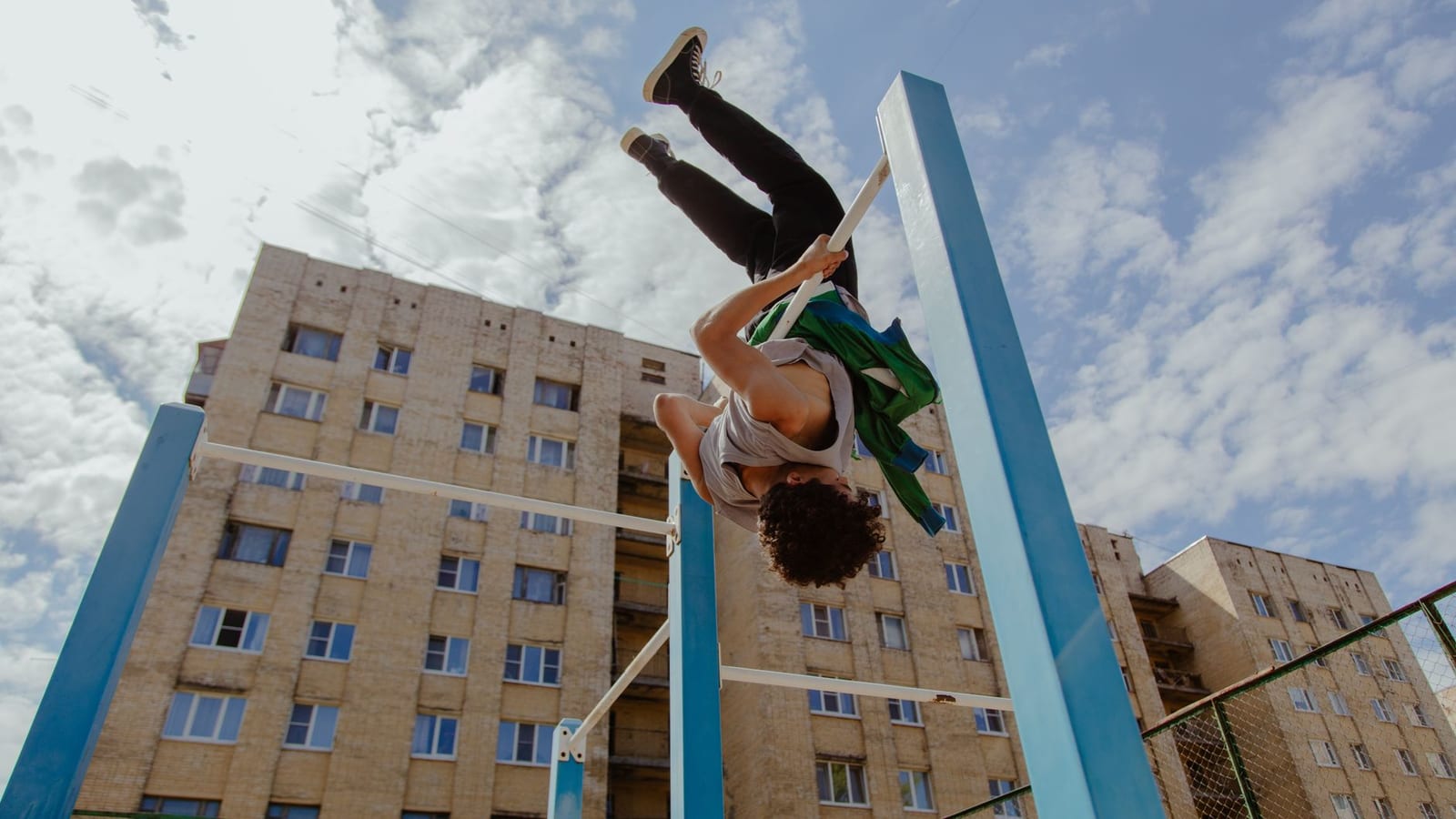
The loudest sound in gymnastics is often not the landing. It is the silence after one goes wrong.
That silence fell over Glasgow when 19-year-old Gabriel Langton slipped from the high bar during the men’s team final at Commonwealth Games 2026. He came down hard, taking the impact on his head and neck.
For a few minutes, sport stopped being about medals. It became about whether a teenager on the mat could move, speak, and walk away.
Langton’s fall stopped the arena
Langton was midway through his high bar routine when his grip gave way. The high bar is unforgiving. One mistimed release can turn a clean routine into a frightening fall in less than a second.
He landed awkwardly and stayed down. Medical staff quickly moved in, with the kind of care that tells everyone watching that the risk is serious.
They supported his neck and head before taking him away on a stretcher. That matters because head and spinal injuries need calm handling. One rushed movement can make things worse.
The competition paused briefly. In a packed arena, that pause can feel longer than it is. Athletes wait, coaches look across the floor, and spectators understand that nobody wants the next score just yet.
Hospital update brought relief
The first real relief came later, when Team England and British Gymnastics issued their update. Langton was conscious in hospital and was speaking with doctors.
Doctors kept him in hospital overnight as a precaution. He underwent checks, and the update said he had avoided serious injury.
That may sound simple, but in gymnastics it is huge. Falls from height can cause concussion, neck trauma, or spinal damage. Even when an athlete looks alert, doctors cannot take chances.
Langton was later discharged and returned to the team hotel. He was said to be doing well and thanked the medical staff who treated him.
For Indian readers used to cricket injuries, think of it like a batter taking a blow to the helmet. The player may stand up quickly, but the real result comes only after medical checks.
In this case, the checks brought the best possible news. The fall looked terrible. The outcome, thankfully, was far better.
England still fought to silver
The team final did not end with Langton’s fall. England’s remaining gymnasts had to gather themselves and compete again.
That is easier to say than do. Gymnastics asks athletes to perform precise, risky movements while their minds stay perfectly still. After watching a teammate leave on a stretcher, that is a brutal test.
Luke Whitehouse, Alex Yolshin-Cash, Josh Nathan and Adam Tobin kept England in the medal fight. They finished with silver, behind Canada, who took gold. Australia won bronze.
The basic podium line was clear. Canada gold, England silver, Australia bronze. But the emotional weight sat with England.
Langton could not attend the medal ceremony because he was in hospital. That detail says plenty. The team won silver, but one of their five was missing when the medals came out.
England had also carried a strong record in this event. This was the first time since 2010 that England missed gold in the men’s team gymnastics event.
So the silver carried two meanings. It showed the team’s depth under pressure. It also marked the end of a long winning run.
Whitlock absence opened the door
Langton’s place in the team came through late change. Max Whitlock, one of Britain’s great gymnasts, was ruled out by injury.
Whitlock is not just another senior name. He has 6 Olympic medals, including 3 golds. When such a figure drops out, the team loses skill, experience, and calm.
Langton stepped into that space at 19. That is a big ask at any Games. It becomes bigger in a final, under lights, with medals on the line.
This is where sport can be harsh. Young athletes often get chances because someone else is hurt. They must then look ready before they have fully lived through the pressure.
Langton’s fall will now become part of his early career story. The more important part, for now, is that he has come through without serious injury.
Gymnastics shows its thin margin
Gymnastics can look graceful on television, almost effortless. That is the illusion. Every routine sits on a thin edge between control and danger.
The high bar is one of the clearest examples. Athletes swing at speed, release their grip, twist in the air, and catch the bar again. The crowd sees flow. The body feels force.
That is why safety systems matter. Medical teams, quick response, neck support, scans, and overnight observation are not side details. They are part of modern sport.
For athletes, families, and coaches, this incident will stir familiar anxiety. Parents see the ambition. They also see the risk. Young athletes see the stage. They also know one mistake can travel across the internet in minutes.
Langton’s case ended with relief, not tragedy. Yet it reminded everyone why medals are never the full story.
For England, the silver will stay in the record books. For Langton, the bigger victory is simpler and more human. He left hospital, returned to his team, and gets the chance to compete another day.