Vijayadashami set for Oct 12 as puja timings listed
Dussehra falls on October 12, with Dashami tithi from 10.58 am and Vijay Muhurat set for afternoon pujas, trader rituals and Ravan Dahan.
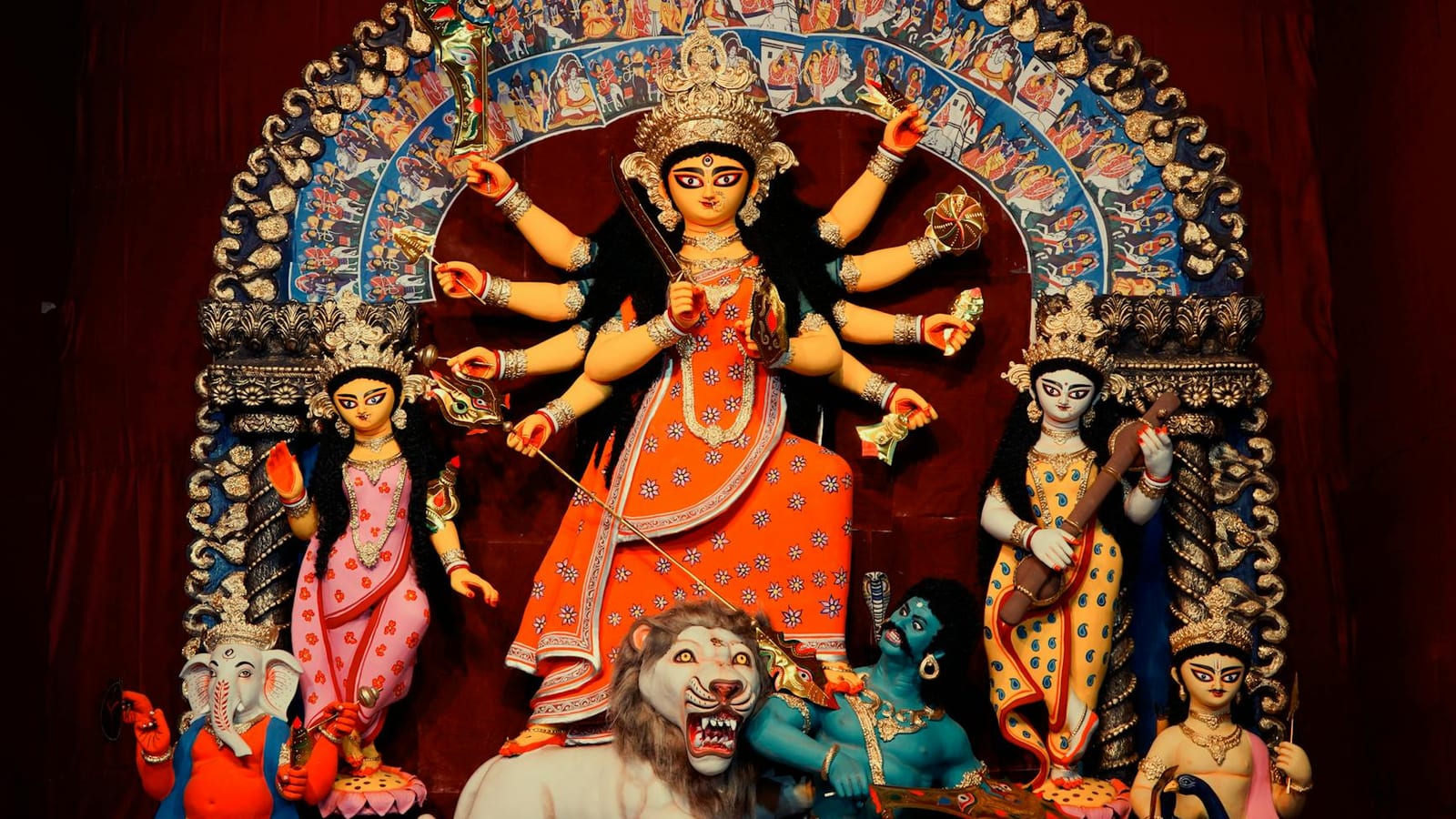
For many Indian families, Dussehra is not just a date on the calendar. It decides when the children go to the mela, when traders open new account books, and when neighbourhood grounds light up for Ravan Dahan.
This year, Dussehra falls on Saturday, October 12, 2024. The festival, also called Vijayadashami, marks the victory of good over evil in Hindu tradition.
That sounds simple. But across homes, markets, temples, and small businesses, the day carries many layers. There is worship, public celebration, shopping, food, and a seasonal push for local traders.
Dussehra timings for October 12
The Dashami tithi begins at 10.58 am on October 12, 2024. It ends at 9.08 am on October 13, 2024.
Shravan Nakshatra begins earlier, at 5.25 am on October 12. It continues till 4.27 am on October 13.
These timings matter because many families plan worship around them. Temple visits, home pujas, and community events often follow the day’s auspicious window.
Drik Panchang lists the Vijay Muhurat from 2.02 pm to 2.48 pm. This 46-minute window is considered suitable for Shastra Puja, Aparajita Puja, and Shami Puja.
The broader afternoon puja window runs from 1.16 pm to 3.35 pm. That gives families a little more room to organise worship without rushing.
For Ravan Dahan, the preferred time falls in the evening. The muhurat runs from 5.53 pm to 7.27 pm.
For working families, that timing is practical too. Offices close, children return from school, and markets usually see a late-evening rush.
Why Ravan Dahan draws crowds
Ravan Dahan remains the most visible part of Dussehra in many cities and towns. Large effigies of Ravan, Meghnad, and Kumbhkaran go up in open grounds.
The burning of Ravan marks Lord Ram defeating the king of Lanka. Hindu tradition links this moment to the rescue of Sita.
For children, it is often pure theatre. Firecrackers, crowds, lights, and food stalls make the evening memorable.
For small traders, it is also business. Toy sellers, sweet shops, flower vendors, food stalls, and transport operators often see higher demand.
A kirana store owner in a tier-2 city may not call it festive economics. But he understands the rhythm well. People buy oil, sweets, puja items, clothes, and gifts.
That is why Dussehra sits at the start of a larger consumption season. It comes shortly before Diwali, which arrives 20 days later.
For many retailers, this period can shape the quarter. Families delay purchases, then spend during the festival run.
The spending is not only on big-ticket items. Much of it flows through small, local businesses.
Worship beyond the effigy
Dussehra is not only about Ravan Dahan. Many homes also perform Shastra Puja, Shami Puja, and Aparajita Puja.
Shastra Puja means worship of tools, weapons, or instruments of work. In modern life, that can include vehicles, machines, books, or work equipment.
A mechanic may clean his tools. A driver may decorate his vehicle. A shopkeeper may worship the cash counter.
The idea is simple. People honour the things that help them earn, build, protect, or serve.
Shami Puja also carries deep cultural meaning. The Shami tree has long been linked with victory and prosperity in Hindu belief.
Aparajita Puja invokes the idea of strength that cannot be defeated. The word itself suggests the undefeated.
These rituals explain why Dussehra cuts across class and occupation. It speaks to both faith and livelihood.
In a farming household, tools may carry one meaning. In a small workshop, they carry another. In an office, even a laptop may become symbolic.
That is the quiet business angle of the festival. Dussehra honours work before the larger shopping rush of Diwali begins.
The puja method at home
Families that perform Dussehra puja at home usually keep the ritual simple. The source tradition describes a clean, respectful arrangement.
A small platform is covered with a clean red cloth. Idols or images of Lord Ram and Maa Durga are placed on it.
Rice is coloured with turmeric and used in the worship. Many families also invoke Lord Ganesh before beginning the main puja.
Some households set up Navgraha worship too. This refers to the nine planetary deities in Hindu tradition.
Offerings usually include flowers, fruits, sweets, and other simple items. The point is not display. It is devotion and discipline.
Many families also make a donation on Dussehra. The guidance is practical: give according to your means.
That detail matters in a country where festivals often bring social pressure. Faith should not become a competition of spending.
For middle-class families, this is a useful reminder. A meaningful puja does not need a costly shopping list.
For lower-income workers, the festival can still remain accessible. A clean space, a simple offering, and a sincere prayer are enough.
Why the festival still matters
Dussehra carries two main stories in popular Hindu belief. One follows Lord Ram’s victory over Ravan.
The other links the day to Maa Durga defeating Mahishasur. Both stories speak of courage, justice, and the defeat of arrogance.
That is why the festival has stayed alive across regions. Different communities may celebrate it differently, but the message remains familiar.
In North India, Ramlila performances and Ravan Dahan dominate. In other parts, Durga worship and Vijayadashami rituals carry more weight.
The business impact also changes by region. Some places spend more on community events. Others spend more on home rituals, clothing, or food.
For companies, festive demand often brings sales campaigns. For small businesses, it brings walk-in customers.
But ordinary families see it differently. They look for the right time to pray, meet relatives, eat together, and take children out.
That is the real strength of Dussehra. It links belief, family, work, and the bazaar in one day.
As October 12 approaches, the timings will help families plan the ritual side. But the larger meaning sits beyond the clock. Dussehra reminds people to begin the festive season with courage, restraint, and hope that better sense can still defeat bad habits.