Viral Fake Offers, Travel Rumours Put Indians at Risk
False claims on free gifts, bus rides, fuel supply and airline cancellations show how viral rumours can disrupt daily spending and travel plans.
A fake free gift can travel faster than a real sale in India today.
That is the uncomfortable truth behind a fresh batch of viral claims flagged as false. They range from free supermarket hampers and free bus rides to petrol pump closures, airline cancellations, oil shortages, exam leaks, and political drama.
For ordinary people, this is not just online noise. It can change where they shop, how they travel, when they fill fuel, and what they believe about public services.
Fake offers target everyday spending
One viral claim said Lulu Hypermarket was offering a Bakrid gift. Checks found the promotion was fake.
This kind of message works because it feels harmless. A festive offer from a known retailer sounds believable. People forward it to family groups, housing societies, and local business circles.
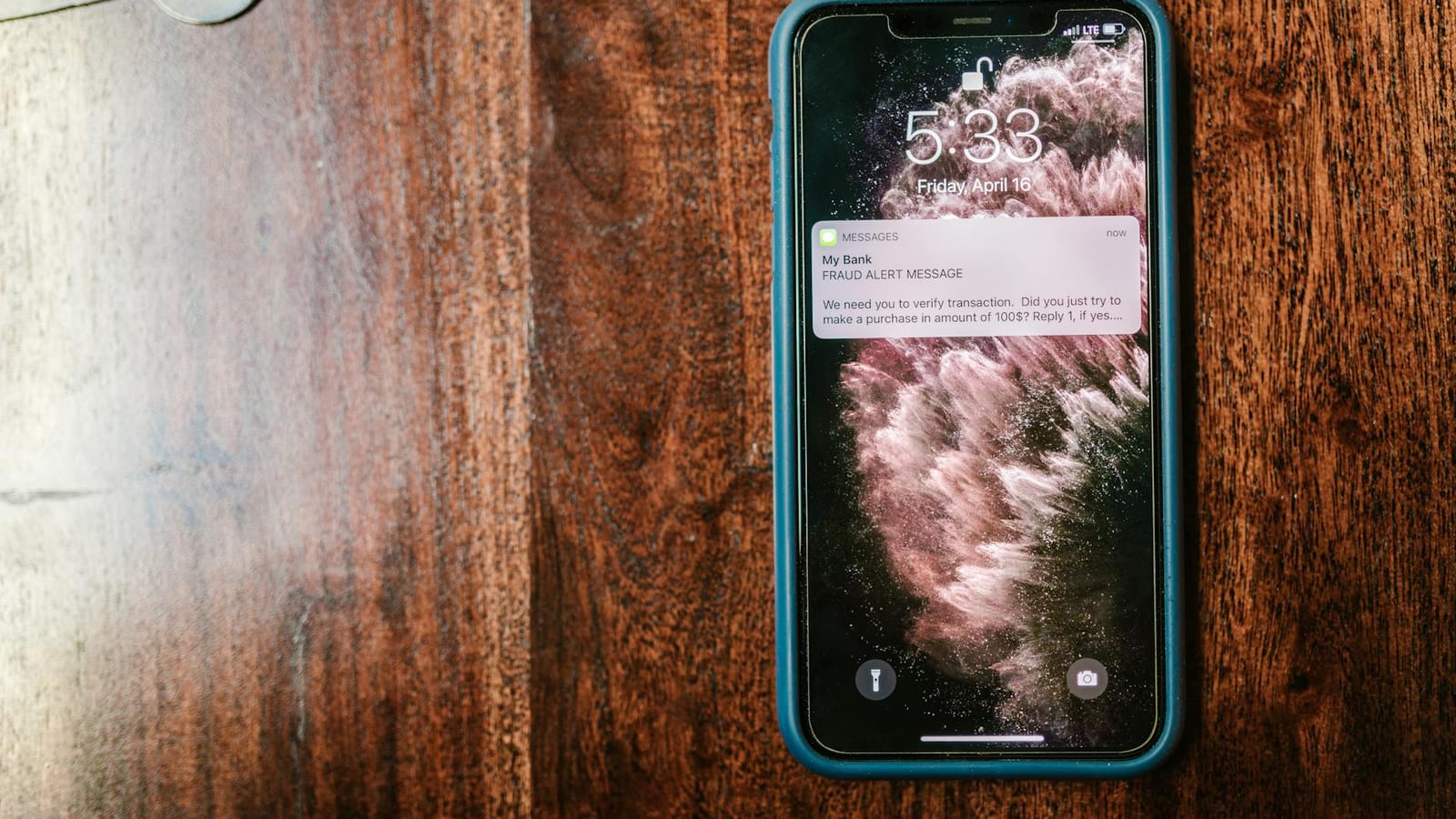
But fake offers usually have a purpose. They can pull users to suspicious links, collect phone numbers, or push people into sharing personal details.
For a large retailer, the damage is reputational. For customers, the risk is more direct. A fake coupon can become a data trap before anyone realises it.
Transport rumours create real confusion
Another claim said KSRTC was launching pink buses for free travel for women. That too was found false.
Public transport rumours spread quickly because they touch daily life. Students, women workers, nurses, and office staff plan their day around bus availability and fares.
A false free-travel claim can waste time and money. Someone may delay a trip, argue at a ticket counter, or believe the state has announced a benefit when it has not.
There was also a false claim that petrol pumps would remain shut on Sundays. For small businesses, cab drivers, delivery workers, and commuters, such rumours can cause panic buying.
India has seen this pattern before. Any message about fuel, banking, exams, or transport gets instant attention because people cannot afford disruption in these areas.
Airline and oil claims raise panic
One false claim said Air India had cancelled all international flights.
That is the kind of rumour that can unsettle families immediately. A single overseas trip can involve savings, leave approvals, visa timelines, hotel bookings, and airport transfers.
Even a few hours of confusion can push travellers to call agents, cancel plans, or pay more for backup tickets.
Another false claim said a Union minister had warned that the country had only two days of oil left. That claim was also found fake.
Fuel rumours are especially dangerous because they feed public anxiety. People remember price shocks, supply disruptions, and long queues from past crises.
A message like that does not need proof to create pressure. It only needs fear. Once people rush to fill tanks, the rumour starts producing the very chaos it pretends to report.
Politics remains the biggest magnet
The list also shows how political misinformation keeps changing clothes.
Some claims involved leaders allegedly making explosive comments. Others used old or altered images to suggest meetings, defections, resignations, or religious controversy.
Several posts targeted Kerala and Tamil Nadu politics. They mentioned leaders, party workers, ministers, and election celebrations. Some claims tried to link individuals to violence or communal tension.
This is familiar territory. Political fake news often uses a small spark and adds emotion. Religion, caste, elections, and law and order make the message more shareable.
The trick is simple. A post does not need to convince everyone. It only needs to harden the views of people already willing to believe it.
That is why fake political claims travel well in local languages. They feel close to home. They mention places, parties, and leaders people already argue about.
Exams and AI make trust harder
The list also included claims around NEET, including alleged paper leaks and political reactions. Education rumours hit families hard because exams carry enormous pressure.
For many Indian households, one entrance exam can decide coaching expenses, relocation plans, loans, and years of family sacrifice.
So any claim about a leak, cover-up, or ministerial link spreads with force. Parents are already anxious. Students are already exhausted. Fake posts exploit that emotional state.
There was also an AI-generated image claim involving political and film personalities. That points to a newer problem.
Earlier, people asked whether a photo was old or edited. Now they must ask whether the person in the photo ever stood there at all.
This makes verification harder for the average WhatsApp user. A convincing image can create a full political story in seconds.
The business impact is clear too. Brands, airlines, fuel dealers, bus corporations, and retailers now need crisis communication plans for fake posts, not just real events.
A hoax can hit customer support lines, store staff, booking desks, and local franchise partners. Even when the claim is denied, the clean-up takes time.
For readers, the rule is simple but not always easy. Be most suspicious of messages that promise free benefits, warn of sudden shutdowns, or claim dramatic political betrayal.
Before forwarding, check whether the named company, government department, or public agency has said it officially. If the message asks for personal details, treat it like a red flag.
India’s misinformation problem is no longer only about politics. It has entered shopping, travel, fuel, exams, and public services. That means the cost is no longer abstract. It lands in household budgets, daily commutes, and family decisions. The next time a too-perfect offer or panic warning arrives on your phone, the smartest move may be the simplest one: pause before you pass it on.