Viral WhatsApp hoaxes target shoppers and flyers
Viral fake offers and travel alerts around Lulu, petrol pumps and Air India show how WhatsApp rumours can mislead shoppers and disrupt brands.
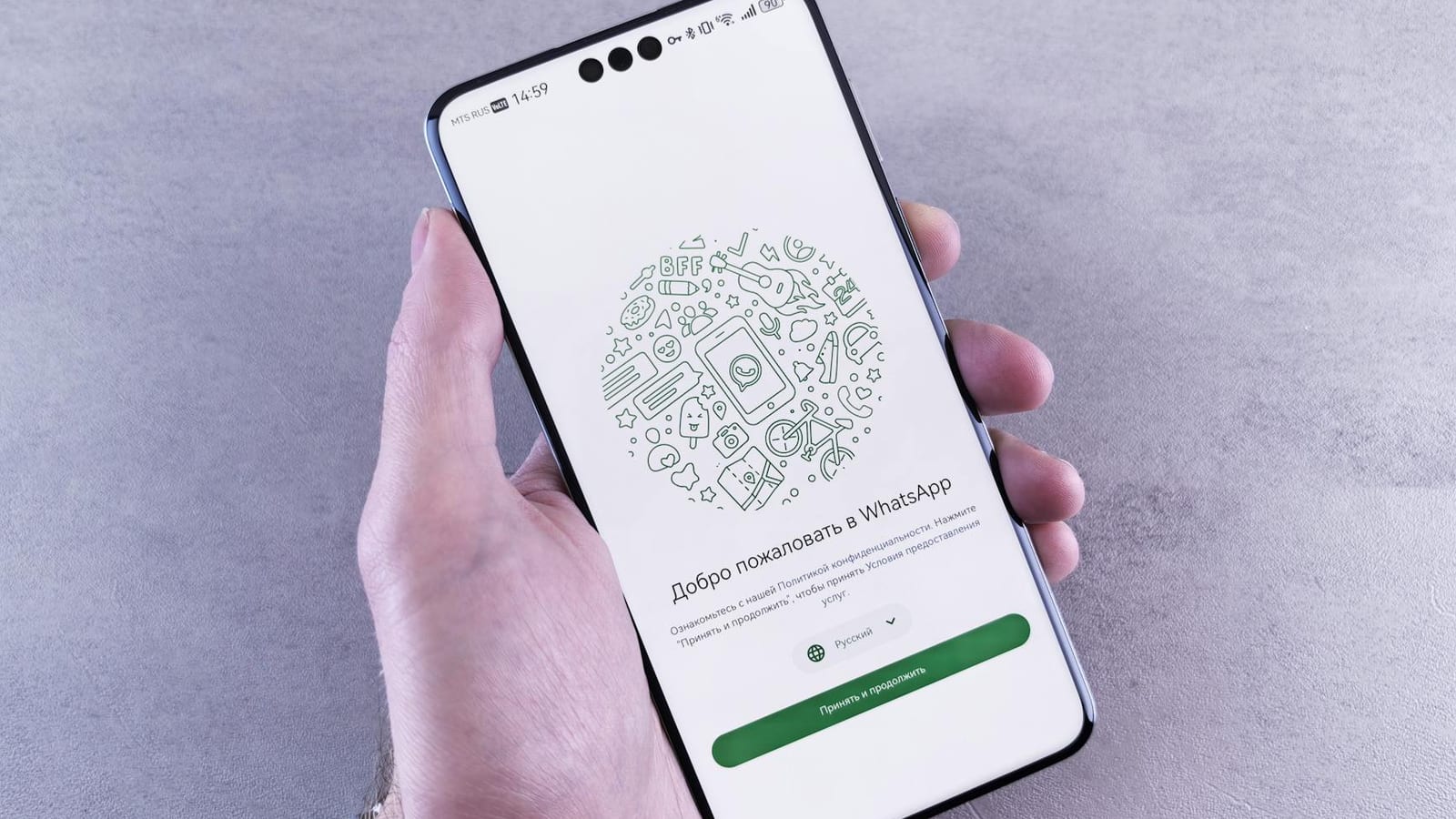
A fake offer can travel faster than a real discount, especially when it lands on WhatsApp before breakfast.
That is the small but costly lesson from a fresh set of viral claims now doing the rounds. Some promised festival gifts from Lulu Hypermarket. Some warned petrol pumps would shut on Sundays. One claimed Air India had cancelled all international flights.
All of them had one thing in common. They sounded useful enough to forward, and serious enough to worry people.
Fake offers target hurried shoppers
The Lulu Hypermarket claim is the easiest to understand. A message said the retail chain was giving away Bakrid gifts. For a family planning festival shopping, that is tempting.
This is how online fraud often begins. It rarely starts with a dramatic threat. It starts with a small promise, a free gift, a voucher, or a lucky draw.
For retailers, the damage goes beyond one fake post. Customers may click unsafe links, share personal details, or blame the brand later. A supermarket chain then has to spend time cleaning up confusion it did not create.
For shoppers, the risk is simpler. A fake festival offer can lead to spam, payment fraud, or stolen phone data. Even if no money leaves the bank account, trust takes a hit.
Big retail brands in India now live with this problem every festive season. Their names carry weight. That makes them useful bait for scammers.
The bigger point is this. A fake offer is not just silly internet clutter. It sits right where commerce happens, between desire and trust.
Travel rumours carry real costs
The Air India claim was sharper. It said the airline had cancelled all international flight services. For anyone with a ticket, visa appointment, medical trip, or family visit abroad, that kind of message can cause instant panic.
Airlines run on confidence. Passengers plan weeks ahead. A single viral rumour can flood call centres, delay decisions, and push people to make costly changes.
Air India has been rebuilding its business and brand after returning to the Tata Group fold. That makes misinformation around its operations especially sensitive.
A false cancellation claim can also hit travel agents. Many small travel businesses still handle bookings for families, students, and workers going overseas. When panic spreads, these agents become the first help desk.
People often ask a very practical question in such moments. Should I cancel? Should I rebook? Should I rush to the airport?
That confusion has a price. International tickets are expensive. One wrong move can cost more than a month’s salary for many households.
The safest rule remains boring, but useful. Check the airline’s official website, app, or verified customer support channel before acting on any forwarded alert.
Fuel panic hurts small businesses
Another viral claim said petrol pumps would remain closed on Sundays. That may sound like a routine service update, but fuel rumours hit India differently.
A cab driver cannot treat fuel as a casual purchase. Neither can a delivery worker, a small transporter, or a shop owner who depends on daily movement.
If enough people believe a shutdown rumour, queues can form quickly. Some drivers may top up early. Others may lose time hunting for fuel they do not actually need to chase.
The claim about petrol pumps closing on Sundays was false. But even false fuel rumours can create real behaviour.
India has seen this pattern before. Any message about petrol, diesel, cooking gas, or oil supply spreads fast because it touches daily life. People do not wait for a press conference when they fear scarcity.
One related claim said the country had only two days of oil left, and linked the statement to a Union minister. That, too, was found to be false.
Such rumours matter because energy is not an abstract sector for Indians. It decides bus fares, delivery costs, vegetable prices, and household budgets.
When fuel anxiety rises, small businesses feel it first. A kirana store owner may pay more for transport. A farmer may worry about diesel. A commuter may leave home earlier and still lose time.
Consumer brands face messy myths
The list also included a claim about Melody chocolate manufacturing visuals. The message suggested that a viral video showed how the chocolate was made.
Food videos travel well online. They are visual, emotional, and easy to misunderstand. One clip from one place can suddenly become “proof” against a brand somewhere else.
For consumer companies, this is a difficult battlefield. A false video can damage years of brand building in a few hours.
The risk is not limited to one chocolate. Packaged food brands depend on habit. Parents buy the same snacks because they trust the name. Once doubt enters, even wrongly, the shelf decision changes.
That is why companies must respond quickly when fake videos use their products or categories. Silence can look like guilt to a hurried viewer.
Consumers also need a sharper instinct here. A factory video without a clear source, date, location, and company confirmation is not evidence. It is just a clip with a caption.
The same logic applies to transport and public services. A claim said KSRTC was launching free pink buses for women. That was also false.
Free travel schemes carry political and economic weight. They affect commuters, state finances, and public transport planning. A fake claim can raise expectations among passengers who already watch every rupee.
Why these rumours keep working
The common thread is not politics alone. It is usefulness.
A fake free gift seems useful. A fake flight cancellation seems urgent. A fake petrol pump alert seems practical. A fake public transport scheme seems hopeful.
That is why people forward these messages. Most do not sit down to spread lies. They think they are helping someone avoid trouble or grab a benefit.
Scammers and mischief-makers understand this human weakness well. They write messages in the language of concern. They use familiar names. They keep claims short enough to forward without thinking.
Businesses cannot treat this as only a public relations nuisance. It now sits inside the consumer journey.
A customer may see a fake link before seeing the brand’s official offer. A passenger may read a false alert before checking the airline app. A driver may hear a fuel rumour before leaving for work.
That means companies need clearer official communication. Verified handles, simple alerts, quick denials, and regional language posts are no longer optional.
Government agencies also need to act faster when rumours touch public services, fuel, transport, or health. Delay creates space for panic.
For ordinary readers, the best defence is a small pause. Before forwarding a message about money, travel, fuel, jobs, or public schemes, check the official source. That pause may save someone from panic, fraud, or a wasted trip. In today’s India, digital caution has become part of daily budgeting.