Viral WhatsApp Rumours Raise Costs For Businesses
Viral false claims on flights, retail offers and fuel supplies are creating real costs for firms, customers and service providers across sectors.
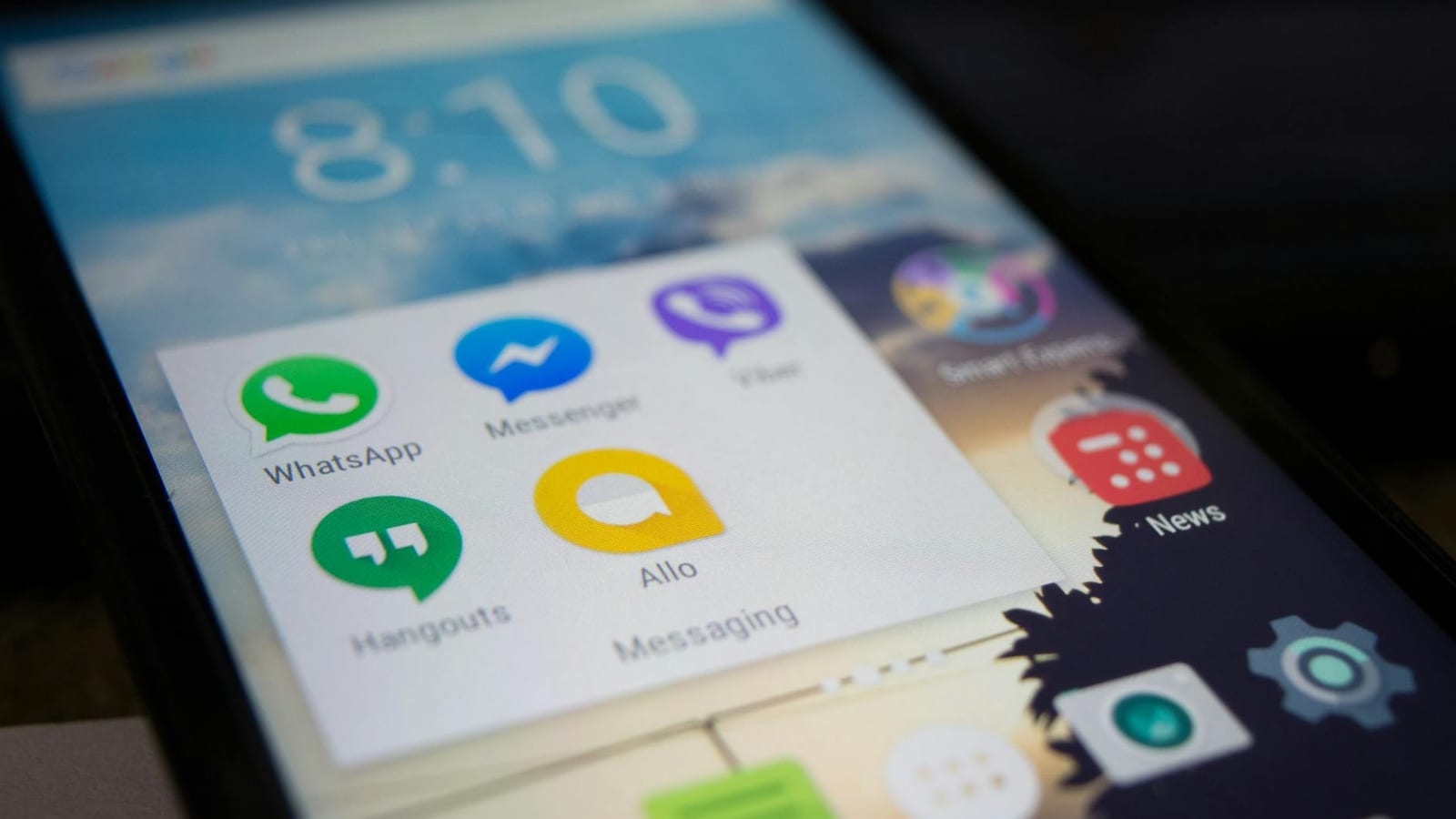
A fake WhatsApp forward can now move faster than a company statement.
For a traveller waiting on an overseas ticket, a shopper chasing a festival offer, or a small petrol pump owner facing panic calls, that is not a small problem. It can waste money, time, and trust in one neat package.
A recent run of Malayalam fact checks shows the same pattern again. False claims are jumping between politics, public services, aviation, retail, fuel, exams, and local transport. The details change. The damage looks familiar.
Fake news has a business cost
One false claim said Air India had cancelled all international flights. Think about that for a minute. One viral post can push families to call agents, delay bookings, or panic before an airport trip.
Airlines run on trust as much as aircraft. If passengers doubt official updates, they start making costly backup plans. Travel agents then spend hours calming customers instead of selling tickets.
Another false message claimed Lulu Hypermarket was offering Bakrid gifts. Such fake festival offers are not harmless fun. They can pull shoppers into phishing links, fake forms, or scam pages.
Retail brands spend years building customer faith. One fake offer can turn that faith into a trap. The customer thinks she is dealing with a familiar store. The fraudster quietly collects her data.
Public services face panic forwards
The same misinformation cycle hit everyday public services too. One claim said petrol pumps would remain shut on Sundays. Another claimed India had only two days of oil left.
For most households, petrol is not an abstract commodity. It is the school run, the office commute, the delivery bike, and the shop supply van. A rumour around fuel can change behaviour very quickly.
A kirana store owner in a tier-2 town may not track crude oil markets. But he will worry if customers say pumps may shut. That fear can push people into unnecessary queues and hoarding.
The oil claim is especially dangerous because it sounds official to many readers. Energy security is complex. But a panic line on social media makes it look simple, and that is the problem.
Public transport also became a target. One claim said KSRTC would launch pink buses for free travel by women. Free travel schemes affect daily budgets, especially for working women and students.
When such claims spread without confirmation, people make plans around them. A worker may expect a cheaper commute. A family may assume a new benefit exists. Then reality arrives at the bus stand.
Politics remains the main engine
Business rumours do not float alone. They often travel through political networks and election chatter. The list of false claims shows how deeply politics drives misinformation in Kerala and beyond.
There were claims about Chief Ministers, opposition leaders, party workers, ministers, and religious figures. Some used old photos. Some twisted statements. Some tried to attach people to rival groups.
One claim asked whether V.D. Satheesan appeared with an RSS leader. Another targeted Pinarayi Vijayan with a wealth claim. Several others dragged in Congress, BJP, Muslim League, SDPI, and local leaders.
This matters for business readers because political misinformation shapes consumer mood. It affects policy debates, investor confidence, and public trust in institutions.
A rumour about fuel, transport, or an airline becomes sharper when mixed with politics. People stop asking, “Is this true?” They start asking, “Does this fit what I already believe?”
That is where misinformation gets its strength. It does not always need a perfect lie. It only needs a claim that feels believable to the right group.
Scams now wear familiar labels
The fake Lulu offer points to a wider trend. Scammers increasingly use trusted brands, festivals, and public schemes as bait. A festival gift link looks more inviting than a random spam message.
The same logic applies to government schemes. If people hear about free buses, security changes, exam leaks, or fuel shortages, they may forward first and verify later.
The source list also includes false claims around NEET, police action, gold controls, and political appointments. These are not the same subject. But they share one method.
They take a topic already in public conversation. Then they add a sharp twist. The twist may anger you, scare you, or tempt you with a benefit.
That emotional push is the real delivery system. Anger travels. Fear travels. Free gifts travel even faster.
For companies, this means brand protection now needs speed. A correction after three days may be too late. By then, fake links may have gathered phone numbers, addresses, and payment details.
For public agencies, the lesson is similar. Official information must be easy to find, fast to share, and written in plain language. A slow clarification cannot beat a crisp falsehood.
Verification is now basic hygiene
The old advice was simple, do not believe everything you read. That feels too soft now. The better rule is, do not act on a claim until you know who issued it.
If an airline has cancelled flights, its website and official handles should show it. If a retailer has a gift scheme, its own channels should confirm it. If fuel supplies face a crisis, the government and oil companies must say so clearly.
This does not mean ordinary readers must become investigators. It means we need better habits before forwarding or clicking.
Ask three small questions. Who benefits if I believe this? Where did this claim first appear? Is there an official source I can check in one minute?
Those questions will not stop every lie. But they can slow the chain. And in misinformation, slowing the chain is half the battle.
The bigger point is this. Fake news is no longer only a political nuisance. It is a consumer risk, a business risk, and a public-service risk. The next viral message may look like a travel alert, a festival offer, or a government benefit. For ordinary readers, the safest response is boring but powerful: pause, check, then act.