Virar-Alibag road clearance boosts Mumbai upgrades
Mumbai's Virar-Alibag corridor clears a key forest-land hurdle as station upgrades and temple precinct work aim to ease daily travel and crowding.
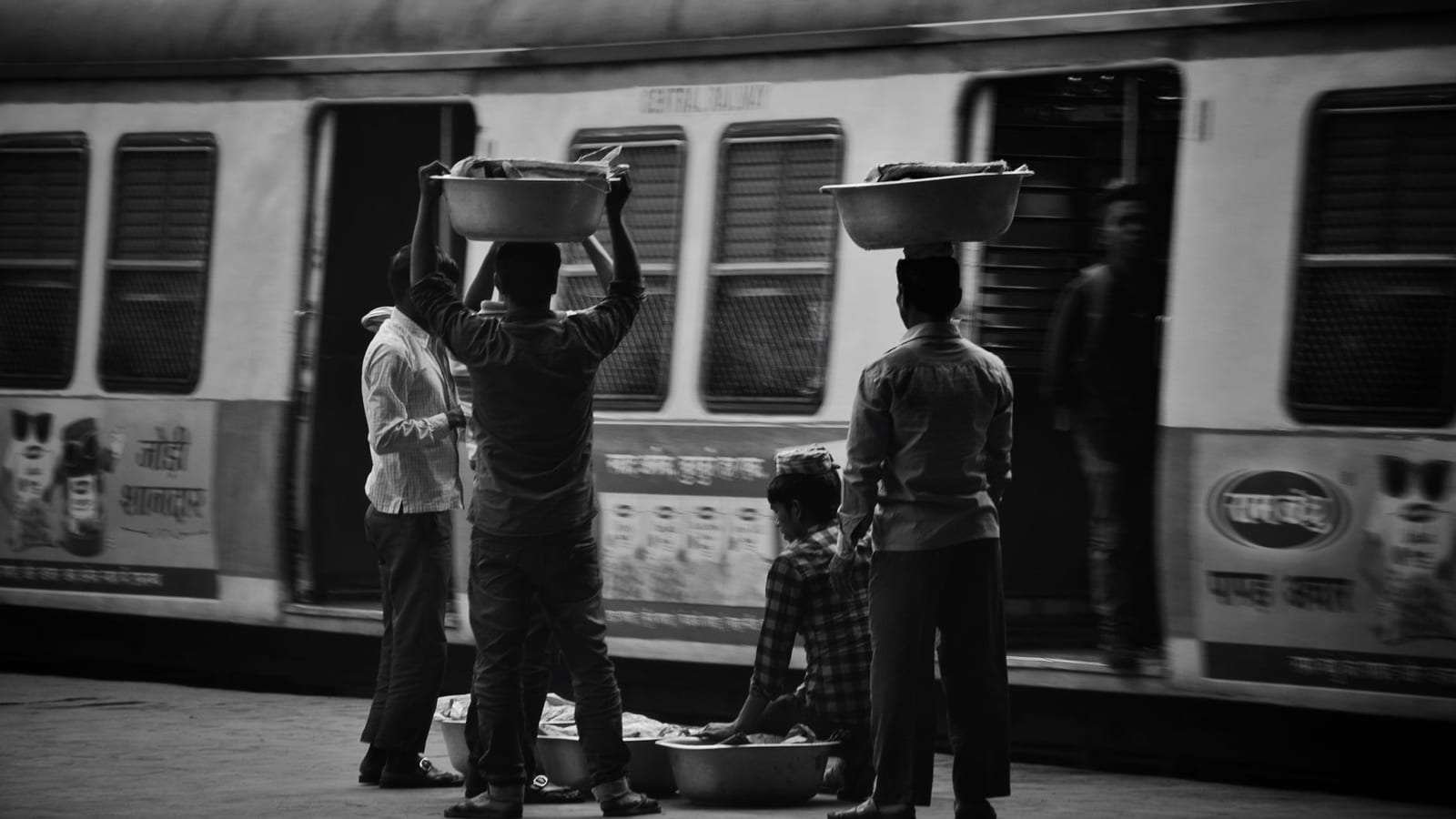
A commuter in Mumbai may not care about file clearances or tender notices. She cares whether the train platform is safer, the road is faster, and the temple lane is less chaotic.
That is the real story behind the latest burst of civic and infrastructure moves across the Mumbai region. The government has pushed ahead on a major road corridor, railway stations are being upgraded, and one of the city’s oldest temple precincts is set for a makeover.
But Mumbai has seen this film before. Big announcements arrive with glossy promise. Ordinary people judge them by one simple test: does daily life actually get easier?
Virar-Alibag corridor gets a push
The Virar-Alibag corridor has moved a step forward after the Maharashtra government cleared a key issue linked to forest land. The decision came after Chief Minister Devendra Fadnavis gave directions, with Revenue Minister Chandrashekhar Bawankule taking the matter through the state machinery.
For Mumbai’s expanding outer belt, this is not just another road project. It is a bet on where the next wave of homes, warehouses, factories, and logistics parks will grow.
Virar, Vasai, Panvel, Alibag, and the wider MMR region already carry the weight of Mumbai’s spillover. Families priced out of the island city have moved outwards. Small manufacturers and transport operators have followed cheaper land and better road links.
A corridor like this can change travel patterns, land values, and business decisions. If it reduces the time taken to move goods across the region, it can help traders and transporters. If it opens new housing pockets, it can also push property prices up.
That is the double edge of infrastructure. Better connectivity helps people. It can also make land more expensive before the road is even ready.
For investors, the signal is clear. The state wants to unlock the next ring of Mumbai’s growth. For residents, the question is more personal. Will the project bring reliable roads, or just more construction, dust, and speculation?
Western Railway station upgrades accelerate
The rail story is equally important, because Mumbai still runs on its trains. Western Railway General Manager Ramashray Pandey said work under the Amrit Bharat station scheme is moving quickly on the suburban network.
According to him, three stations will see better passenger facilities by the end of this year. The remaining work is expected to continue till 2027. Malad station’s work is already 90 percent complete.
That 90 percent figure matters because station upgrades sound small until you stand on a packed platform at peak hour. Wider entry points, cleaner circulation, better waiting areas, and improved access can change the day for lakhs of commuters.
For office-goers, students, hawkers, and domestic workers, a station is not a building. It is a daily pressure point. A narrow staircase can cost 10 minutes. A crowded foot overbridge can become a safety risk.
Malad is also not some quiet suburban stop. It serves a dense residential and commercial catchment. A smoother station can help local shops, office parks, coaching centres, and housing societies around it.
But station redevelopment must avoid one common trap. Cosmetic upgrades alone do not solve congestion. Mumbai needs practical fixes first: crowd flow, clear signage, safe exits, functioning lifts, and reliable maintenance.
Railway station work often looks impressive during launch events. The real test begins after the ribbon is cut, when monsoon grime, peak-hour crowds, and daily wear start doing their job.
Mumbadevi temple revamp opens tender race
The Brihanmumbai Municipal Corporation has invited tenders for the first phase of the Mumbadevi temple precinct makeover. The first phase is expected to cost ₹57 crore.
This is a small number compared with metro lines or sea links. But in a dense old-city neighbourhood, ₹57 crore can still reshape how people move, shop, and worship.
Mumbadevi is not only a religious site. It sits inside a busy commercial ecosystem. Traders, flower sellers, small eateries, transport workers, and visitors all share cramped space around the temple.
A well-planned revamp can help pilgrims and nearby businesses. Cleaner access, better crowd management, and safer pedestrian paths can support footfall without turning the area into a daily jam.
But the civic body will need to handle the old Mumbai problem carefully. Redevelopment in heritage-heavy, crowded areas can hurt small traders if work drags on or access gets blocked.
A flower vendor near a temple does not have the balance sheet of a mall operator. Even a few months of disruption can eat into savings. The city must keep these people in mind while it upgrades the precinct.
The tender will also need close scrutiny. Public works in Mumbai often begin with noble aims and end in cost revisions, delays, and contractor disputes. Citizens have learnt to ask boring but necessary questions.
Who gets the contract? What is the deadline? What happens if work quality falls short? How will business activity continue during construction?
New roads, old quality questions
The state’s infrastructure push has one awkward backdrop. Potholes have appeared on the Missing Link route within two months, even though the project includes one of the country’s tallest cable-stayed bridges.
The Maharashtra State Road Development Corporation described the potholes as minor. That may be technically true. But for ordinary road users, a pothole is not minor when it damages a tyre or slows traffic in heavy rain.
This is where public trust gets tested. Mumbai’s citizens are not against infrastructure. They are tired of paying tolls, taxes, fuel costs, and time, only to find fresh roads breaking too soon.
The issue is larger than one road. Every new corridor, bridge, and station upgrade now faces a credibility burden. People want to know whether the government can build fast and build well.
There is also a business angle here. Poor road quality raises transport costs. A truck delayed by bad roads hits delivery schedules. A taxi spending more on repairs passes that cost to passengers.
For the government, speed alone will not win the argument. Quality checks, contractor accountability, and public updates must become part of the project, not an afterthought.
Mumbai’s next chapter will not be written by one corridor or one station. It will depend on whether these projects connect cleanly with everyday life. If they cut travel time, protect small businesses, and survive the monsoon, people will feel the change. If not, they will see another round of promises laid over the same old city stress.