Why DMart avoids fresh meat in its low-cost model
DMart keeps prices low by focusing on fast-moving essentials and avoiding categories like fresh meat that need costly storage, staffing and compliance.
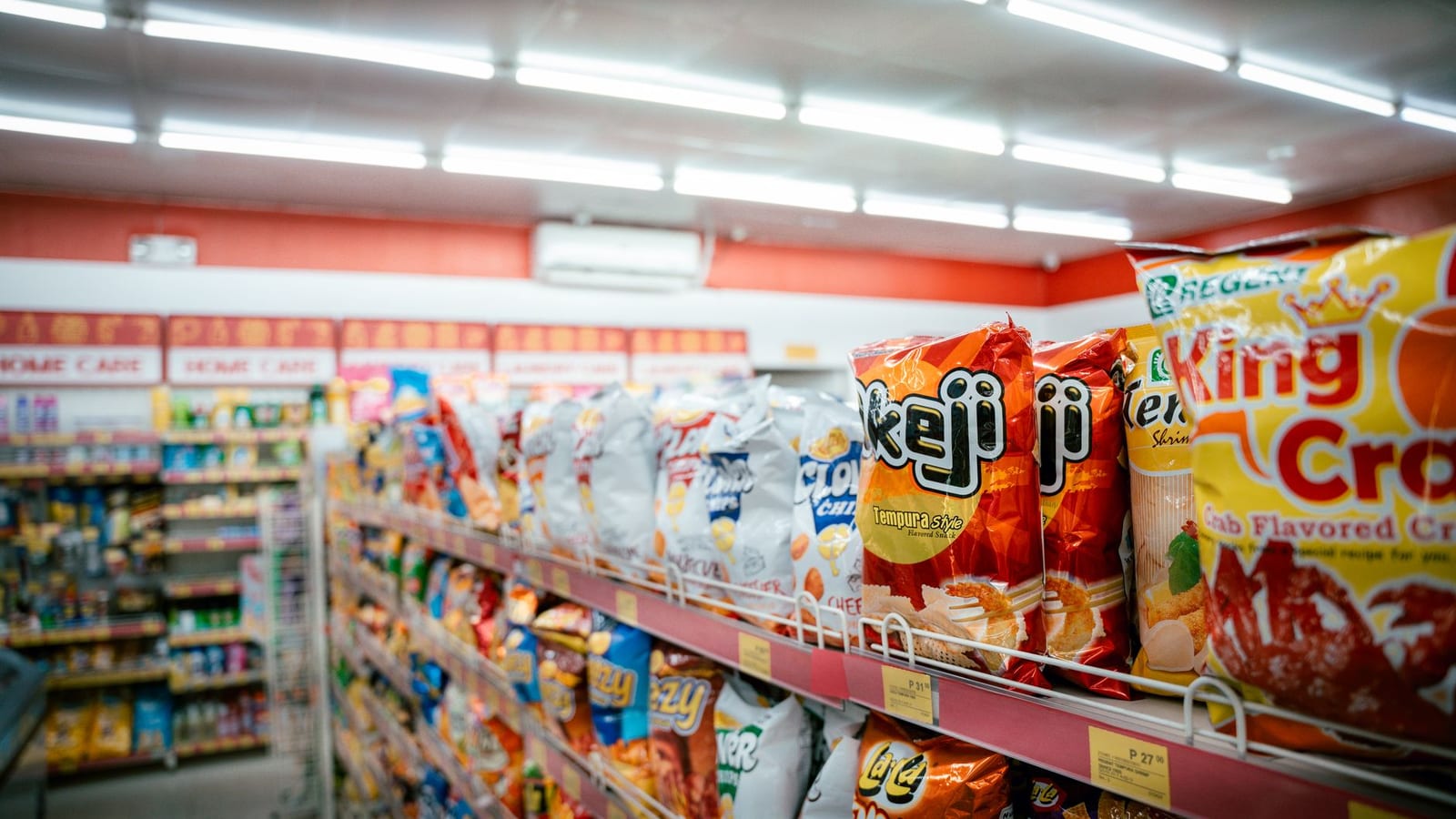
A crowded DMart aisle tells you a lot about Indian middle-class shopping. People come with lists, not moods.
They want rice, atta, detergent, oil, biscuits, soaps, and a bill that feels lighter. Yet the same store that solves half the monthly budget leaves some everyday needs outside its doors.
That absence is not an accident. Avenue Supermarts Limited, which runs DMart, has built its business around a simple idea. Sell fast-moving essentials, keep costs tight, and avoid categories that complicate the store.
Why DMart skips fresh meat
Many shoppers notice this first. DMart shelves carry packaged food, staples, snacks, and household goods. But they usually do not carry fresh chicken, fish, or meat.
Some outlets may stock limited frozen items. But fresh meat needs a different business altogether. It needs strict cold storage, daily handling, trained staff, and tighter hygiene checks.
That sounds simple until you run hundreds of stores. One weak link can spoil inventory, damage trust, and raise operating costs quickly.
For a supermarket chain built on low prices, this matters. Every extra refrigerator, cleaner, licence, and wastage bill eats into margins.
The customer sees only the missing chicken counter. The business sees spoilage, smell, staffing, compliance, and daily supply risk.
This is where DMart behaves less like a fancy supermarket and more like a disciplined wholesaler. It wants products that move fast and sit safely on shelves.
Leafy greens do not fit
The same logic explains the missing spinach, coriander, methi, and other leafy vegetables. These products look harmless, but retailers know their real headache.
Leafy greens wilt fast. They need daily sourcing, careful display, and quick sale. If shoppers do not buy them within hours, the store starts losing money.
A neighbourhood vegetable seller can manage this through local buying and quick price changes. A large organised retailer needs consistency across locations.
That consistency costs money. It also creates waste when demand changes suddenly.
DMart’s core customer often visits for a monthly or weekly stock-up. That shopping pattern suits rice bags, edible oil, sugar, shampoo, and cleaning products.
It does not suit coriander that looks tired by evening. A family may buy groceries from DMart, then stop at a local vendor for vegetables.
This split shopping habit is common in India. A kirana store, vegetable cart, dairy booth, and supermarket can all serve the same household.
DMart has accepted that reality. It does not try to own every part of the kitchen.
Pharmacy and electronics stay outside
DMart stores often carry basic wellness items. Shoppers may find balms, vapour rubs, and simple over-the-counter products.
But the chain does not run full pharmacy counters in the normal sense. Prescription medicines need pharmacists, licences, stock controls, and careful record-keeping.
That is a very different rhythm from selling toothpaste or floor cleaner. It also changes the responsibility of the store.
Large electronics create another problem. Televisions, refrigerators, and washing machines need display space, installation support, warranties, and after-sales service.
These are high-ticket products, but they do not move like daily essentials. A family buys detergent every month. It buys a washing machine once in many years.
For DMart, shelf space is precious. A large appliance can occupy space that could hold hundreds of fast-selling items.
That is why the chain focuses on goods that turn quickly. In retail, inventory turn means how fast a product sells and gets replaced.
Fast turn keeps cash moving. Slow turn blocks money on the shop floor.
This also explains why alcohol does not fit the usual DMart template. Liquor retail needs separate permissions and state-wise rules. India’s alcohol regulations change sharply across states.
A chain that prizes standard store operations may see little comfort there.
Damani’s low-cost playbook
Radhakishan Damani built DMart with a famously cautious retail style. The chain does not behave like a retailer chasing every category.
It behaves like a retailer obsessed with control. Control over rent, stock, pricing, store size, and product mix.
That is why shoppers often find strong deals on staples and household goods. The company can bargain hard with suppliers because volumes remain large.
But volume works best when products are predictable. Packaged oil, rice, detergent, noodles, biscuits, and soaps have known demand patterns.
Fresh meat and leafy vegetables behave differently. Weather, local taste, festival demand, and daily freshness can change the numbers fast.
In Indian retail, the boring categories often make the better business. A discount on atta brings repeat footfall. A poorly managed fish counter can bring complaints.
This is the part shoppers rarely see. Low prices do not come only from supplier deals. They also come from saying no to costly distractions.
DMart’s model asks a clear question before adding any item. Will this product sell fast, store easily, and keep operations simple?
If the answer looks weak, the product stays out.
What shoppers really trade off
For customers, this strategy creates a bargain with conditions. DMart can help cut the monthly grocery bill. But it may not replace the full market trip.
A family can buy cleaning supplies, dry groceries, snacks, and basic home items in one visit. It may still need the butcher, chemist, vegetable vendor, or appliance store.
That can feel inconvenient. But many Indian shoppers already shop this way.
They compare prices, split purchases, and know which shop gives value on which item. DMart fits neatly into that habit.
The bigger story is not just what DMart sells. It is what it refuses to sell.
In a retail market full of noise, that refusal has power. It keeps the chain focused on the Indian household’s most repeatable needs.
For small suppliers and local vendors, the gaps also matter. The vegetable seller and chemist still have room beside organised retail.
That balance may change over time. Online grocery firms and quick-commerce platforms now promise everything from coriander to condoms within minutes.
But speed has its own cost. Someone must pay for riders, dark stores, wastage, and discounts.
DMart has chosen a slower, tighter, less glamorous path. It wants customers to visit, fill a basket, and trust the bill.
For ordinary shoppers, the lesson is simple. The missing items are part of the price bargain. DMart saves money by staying disciplined, and customers save money by knowing exactly what the store is built to do.