Why DMart Keeps Fresh Meat, Pharmacy Off Shelves
DMart avoids fresh meat, leafy greens and full pharmacy counters to protect low-cost retailing, faster inventory turns and store reliability.
A family walking into DMart usually wants one thing, a cheaper monthly basket. Rice, oil, soap, biscuits, detergent, maybe a shirt for a child.
Then comes the small surprise. You may find rows of toothpaste and shampoo, but no fresh chicken. You may find balm and cough drops, but no proper pharmacy counter.
That is not a gap by accident. Avenue Supermarts Limited, which runs DMart, has built its retail model around what it can sell fast, safely, and cheaply.
Why DMart skips some shelves
DMart’s biggest promise is simple pricing. It wants customers to feel they saved money without hunting for coupons.
That promise works best with products that move quickly. Packaged food, home cleaners, toiletries, staples, clothes, and daily-use items fit that model.
Fresh meat does not fit so neatly. Chicken, fish, and mutton need cold storage, strict hygiene, and fast handling.
One weak link can spoil the product and the store’s reputation. For a retailer built on scale, that risk matters.
Leafy vegetables bring a similar problem. Spinach, coriander, fenugreek, and other greens look fresh in the morning and tired by evening.
A neighbourhood vegetable seller can adjust quickly. A large-format store must manage larger stock, longer supply lines, and daily wastage.
That is why many shoppers still make two stops. DMart for the monthly basket, and the local vendor for fresh produce.
The low-cost model at work
Radhakishan Damani built DMart with an old trader’s instinct. Sell what turns fast, keep costs tight, and avoid unnecessary drama.
This sounds plain, but it is powerful. Retail margins in India are thin. A small mistake in stock can eat profits quickly.
A pack of detergent can sit longer on a shelf. A packet of rice does not need a butcher or a special licence.
Fresh fish is different. It needs temperature control, smell control, waste disposal, trained staff, and tighter inspection.
Every extra service adds cost. That cost finally reaches either the customer or the company’s margin.
DMart has usually chosen discipline over variety. It does not try to become everything for everyone.
That explains the absence of large electronics too. Televisions, refrigerators, and washing machines need display space, after-sales support, delivery links, and service handling.
They also tie up money in fewer, costlier items. DMart prefers products that many households buy again and again.
A customer may buy soap every month. A refrigerator purchase may happen once in ten years.
For DMart, repeat buying is the real engine. The store wants the same family back every few weeks.
What shoppers actually lose
The customer loses convenience. That is the honest trade-off.
If you want chicken, leafy greens, prescription medicines, or a large appliance, DMart may not solve your full list.
That matters for busy families. In cities, time has become a hidden cost in every shopping trip.
A working couple may prefer one store for everything. A senior citizen may not want to visit three shops.
But lower prices often come with narrower choices. DMart’s bargain is clear, even if it is not spoken loudly.
You get cheaper staples and household goods. In return, the store avoids categories that complicate operations.
This also protects smaller local businesses in a strange way. The butcher, vegetable seller, chemist, and electronics dealer still have space.
For kirana stores, DMart is already a tough competitor. But it has not swallowed every category.
That split shapes Indian retail. Big stores win the monthly basket. Small shops survive on freshness, trust, speed, and personal service.
A local chemist can explain a prescription. A vegetable vendor can give coriander free with your order.
DMart cannot easily copy that without changing its own DNA.
Why pharmacy is different
DMart stores may sell common wellness products. You may find balm, vapour rubs, basic tablets, or personal care items.
But a full pharmacy is another business. Prescription medicines need licences, trained pharmacists, storage rules, and careful records.
One wrong medicine can cause serious harm. This is not like selling the wrong biscuit flavour.
Pharmacy also needs trust. Customers often ask questions about dosage, side effects, and substitutes.
That requires a different staff model. It also requires accountability, because medicines are not ordinary consumer goods.
For a discount retailer, that adds complexity. It may bring footfall, but it also brings regulatory pressure.
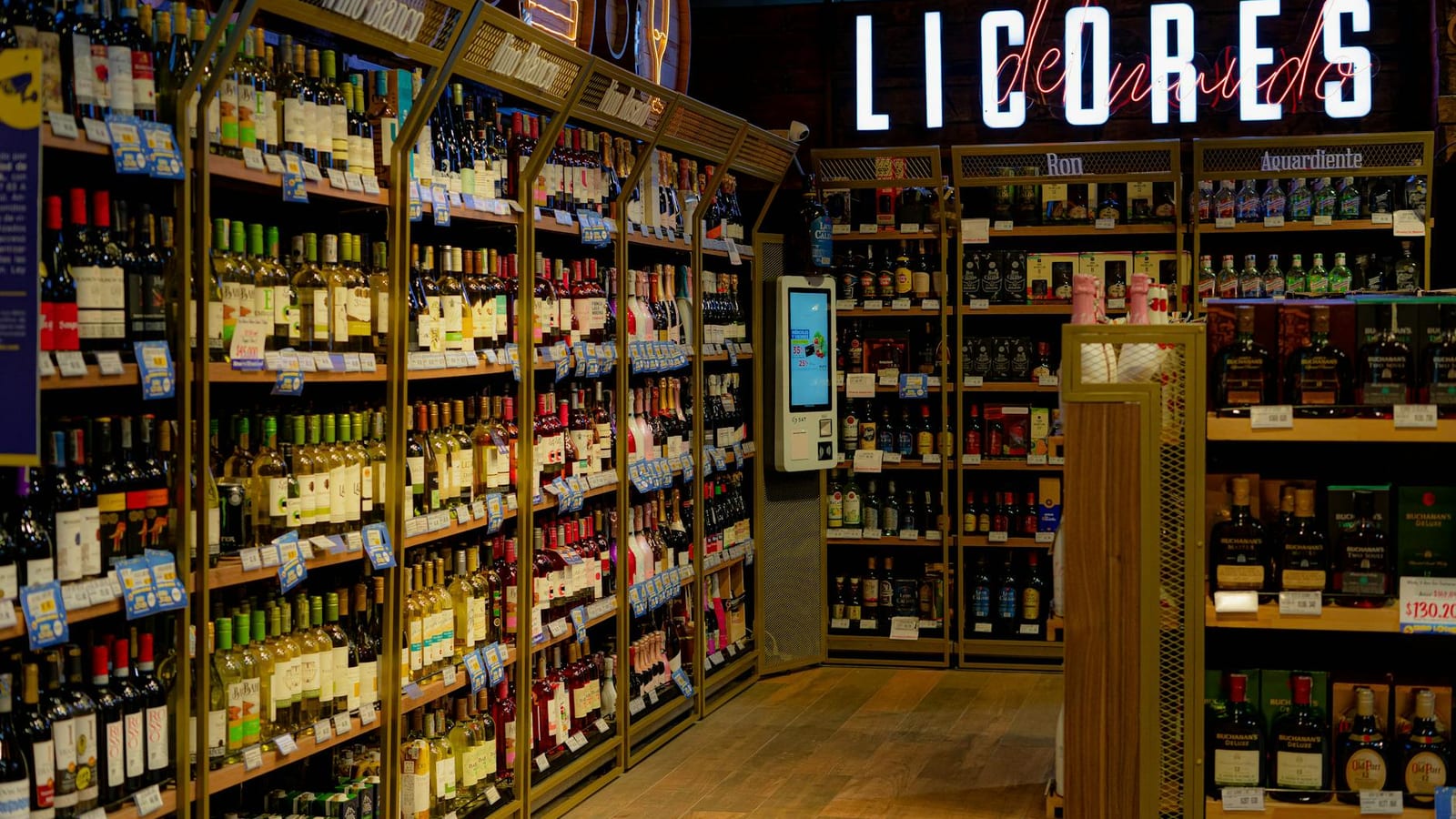
Alcohol is another category many shoppers may look for, but it comes with state-level rules. Licences, taxes, timings, and local restrictions vary widely across India.
A national chain cannot treat alcohol like shampoo. Each state brings a separate playbook.
So DMart keeps its core cleaner. It focuses on goods that are easier to source, store, price, and sell at scale.
That is why the shelves look full, yet carefully limited.
What this says about retail India
DMart’s missing shelves tell us something larger about Indian consumption.
Indian households want value, but not every purchase is about price. Freshness, trust, and urgency still matter deeply.
A mother buying greens may inspect every bunch. A customer buying fish may judge smell and cut.
A patient buying medicine may want the chemist’s assurance. A family buying a fridge may want installation and service.
These are not just products. They are small decisions wrapped in habit and trust.
DMart wins where standardisation works. One pack of branded toothpaste is the same in Thane, Jaipur, or Indore.
Fresh produce does not behave that way. Meat certainly does not. Pharmacy cannot be reduced to shelf space.
This is the quiet intelligence of the model. The company knows what to leave out.
In business, saying no often matters as much as saying yes. DMart’s restraint helps it protect prices, speed, and stock control.
For ordinary shoppers, the message is practical. Use DMart for what it does best, the monthly essentials and repeat buys.
But keep the local market in your weekly rhythm. India’s retail future will not belong to one format alone.
The smartest shopping basket may still need both worlds, the discount aisle and the trusted neighbourhood counter.